
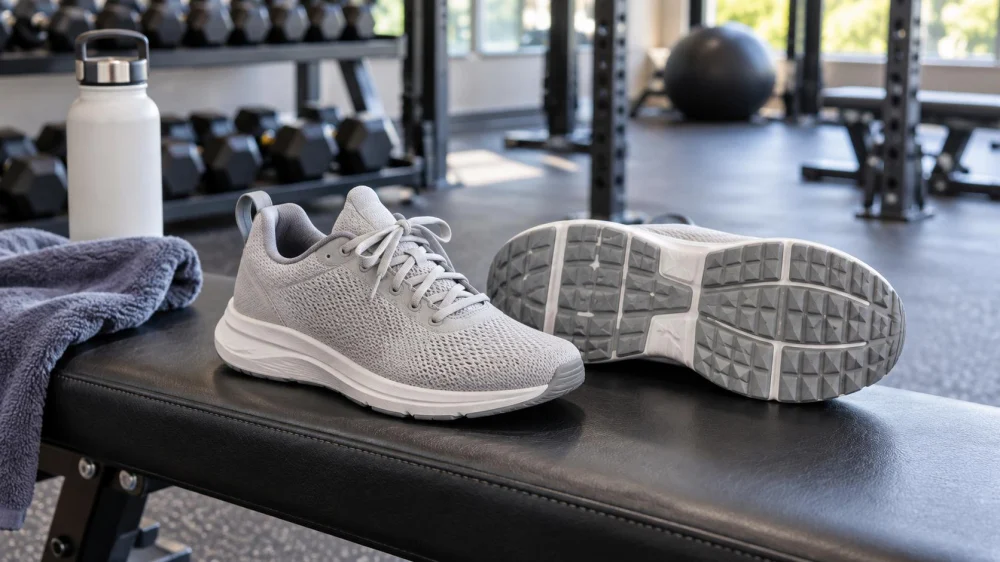
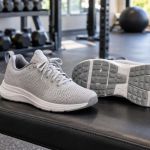
Workout Shoe Check: Fit, Grip, and Activity Match
On this page
Quick answer
Choose workout shoes for the movement you will actually do, then check heel hold, toe room, side-to-side stability, laces, outsole grip, and wear. Test them with easy versions of your planned movements before adding speed or load. Stop if you feel slipping, pressure, numbness, sharp pain, or a sudden change in movement.
Planet Fitness / planet fitness peoria az
7565 W Peoria Ave, Peoria, AZ 85345, USA
Match the shoe to the session
An activity match means the shoe's shape, cushioning, flexibility, and traction support the main movement without creating an obvious obstacle. No single shoe is automatically ideal for running, heavy lifting, court sports, dance, cycling, and mixed gym work.
Running generally involves repeated forward motion and may benefit from a shoe designed for that use. Strength work often feels more stable with a firm, predictable base. Classes with quick lateral changes need side-to-side security and floor-appropriate grip. Indoor cycling may require a pedal-compatible shoe specified by the studio or bike.
For a mixed session, prioritize the most demanding or highest-risk movement. If the activities conflict—such as a longer run and heavy barbell work—changing shoes or separating sessions may be more practical than forcing one pair to do everything.
Hal Welsh East Area Family YMCA / ymca east syracuse
FayettevilleOnondaga CountyNew York
200 Towne Dr, Fayetteville, NY 13066, USA
Run a fit check before training
- Heel: it should feel secure without rubbing or lifting excessively.
- Midfoot: the shoe should hold the foot without pinching or creating numbness.
- Toes: they should have room to lie naturally and should not strike the front during a controlled stop.
- Width: the foot should not spill over the platform or feel compressed at the sides.
- Laces: tie them securely and keep loose ends away from pedals, belts, and moving parts.
- Socks and supports: test the actual socks, insoles, braces, or orthotics you plan to use.
Fit can change during a workout as feet warm or swell. Recheck pressure and lace tension after the warm-up. Tightening harder is not a reliable fix for the wrong size, shape, or worn heel structure.
Inspect grip and condition
Turn each shoe over in good light. Look for a smooth or uneven outsole, embedded stones, peeling rubber, cracks, exposed foam, or contamination from oil, mud, or lotion. Compare the left and right shoes rather than judging one in isolation.
Check that the upper, eyelets, and heel counter still hold the foot. Press the sole and look for a large difference between sides. A shoe can appear clean while its cushioning or structure feels different from earlier sessions.
Grip must also match the floor. Too little traction can permit slipping; unusually aggressive traction can interfere with a movement that needs pivoting. Follow the gym's footwear rules, particularly on studios, courts, turf, climbing areas, and specialized equipment.
Test the shoe safely at the gym
- Walk on the actual training surface and make several controlled stops.
- Perform a shallow squat, gentle hinge, and slow calf raise while holding a stable support if needed.
- For lateral work, try a small side step before a fast change of direction.
- For cardio equipment, begin at the lowest practical speed or resistance and confirm that laces are clear.
- Increase only one variable—speed, range, or load—after the shoe feels predictable.
This test is best for identifying obvious fit or traction problems. It cannot prove that a shoe will prevent injury or suit every body. Technique, surface condition, fatigue, training load, and individual health factors also matter.
Know when to change the plan
Consider a different shoe or activity when the pair repeatedly slips, rolls, rubs, causes numbness, feels unstable under load, or has damaged components. A calendar age or mileage estimate can be a reminder to inspect, but condition and performance are more useful than a universal replacement date.
Stop the session for sharp pain, a new inability to bear weight, rapid swelling, or a sudden change in balance. Gym staff can address floors and equipment, while a qualified clinician can assess symptoms or help with recurring foot and joint concerns.
Important limits
This is general fitness equipment guidance, not medical diagnosis or a guarantee against injury. People with diabetes, reduced sensation, circulation problems, recent injury, postoperative restrictions, or prescribed orthotics may need individualized footwear advice before changing shoes or activity.
Return and trial policies vary. Test new footwear only in ways allowed by the seller and gym. Follow manufacturer care instructions; heat, washing machines, and strong chemicals can damage some materials.
Frequently asked questions
Are running shoes good for weight training?
They may be acceptable for light general work, but a tall or soft sole can feel less stable during heavy lifting. Match the shoe to the load and movement, and choose a firmer base when stability is the priority.
Should gym shoes feel tight at first?
They should feel secure, not painful or numb. Do not count on a shoe changing enough to correct a poor basic fit. Recheck with the socks and supports you use for training.
Can I train in shoes with a smooth outsole?
A visibly worn or slippery outsole is a reason to pause. Test traction cautiously and choose another pair if the shoe does not grip the actual surface predictably.
Do I need a different pair for every activity?
Not necessarily. Similar low-risk activities may work with one suitable pair. Specialized or conflicting demands can justify changing shoes, especially when grip, platform stability, or equipment compatibility differs.
Sources and evidence notes
This checklist reflects broad footwear and exercise-safety principles: fit should be comfortable and secure, traction should match the surface, equipment should be inspected, and intensity should rise gradually. Shoe makers, gyms, clinicians, and sports governing bodies may give activity-specific instructions that take priority.
Next steps
Before the next workout, inspect both shoes under good light, retie them with your normal socks and supports, and test simple movements on the training surface. Change the shoe or session if fit, traction, or structure feels unreliable, and seek qualified help for persistent symptoms.
 The Megaformer Studio4.0 (86 reviews)
 Sculpt Club5.0 (10 reviews)
 WundaBar Pilates- Studio City5.0 (39 reviews)
 YogaSix Studio City4.0 (220 reviews)
 PhysiCal EMS Training studio5.0 (18 reviews)
 Tribe Pilates5.0 (24 reviews)
 Workout Shoe Check: Fit, Grip, and Activity Match
 Gym Headphone Safety: Volume, Awareness, and Equipment Clearance
 Gym Towel and Mat Hygiene: Use, Carry, and Wash
 Fitness Class Cancellation: Confirm Credits and Terms
 Gym Locker Room Plan: Privacy, Security, and Hygiene
 Fitness Class Class Position: Choose Space for Safe Learning