Why Everyone Should Try Bodyweight Training
1-Understanding Bodyweight Training
Bodyweight training, also known as calisthenics, involves performing exercises that use your own body weight as resistance. This form of exercise doesn't require expensive gym equipment, making it accessible to anyone, anywhere. Bodyweight exercises can target various muscle groups and can be adapted to suit different fitness levels, from beginners to advanced athletes.
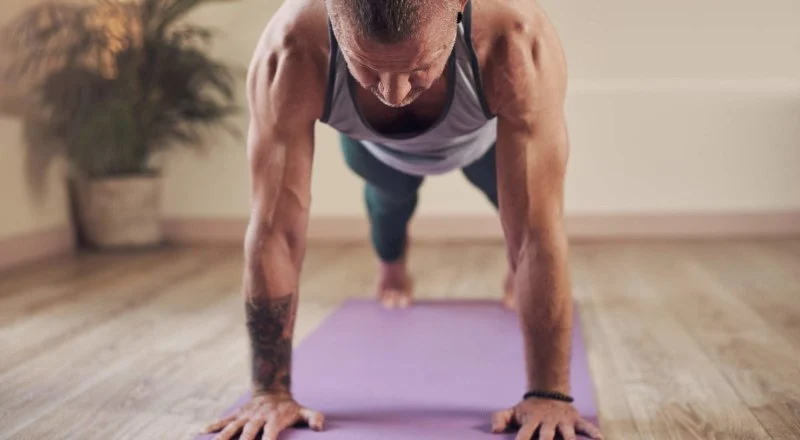
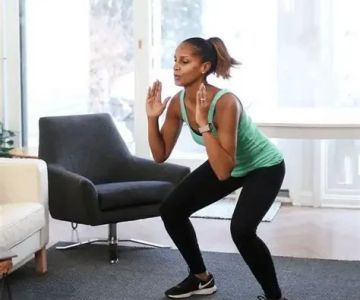
Examples of bodyweight exercises include push-ups, squats, lunges, burpees, planks, and pull-ups. These exercises help to build strength, flexibility, and endurance without the need for weights or machines. The simplicity and versatility of bodyweight training make it an ideal choice for people looking for an efficient and effective workout routine that doesn't require a gym membership or equipment.
2-Benefits of Bodyweight Training
Bodyweight training offers several benefits that make it an attractive option for fitness enthusiasts:
- Cost-Effective: One of the biggest advantages of bodyweight training is that it requires no equipment or gym membership, making it a very cost-effective way to get fit.
- Convenience: You can perform bodyweight exercises anywhere, whether at home, in a park, or while traveling. There are no excuses to skip a workout!
- Improves Functional Strength: Bodyweight exercises focus on compound movements that mimic everyday activities. This helps you develop functional strength, making daily tasks easier.
- Scalable: Bodyweight training is adaptable to all fitness levels. You can modify exercises to increase or decrease their difficulty based on your needs and progress.
- Increases Flexibility and Mobility: Many bodyweight exercises, such as lunges and squats, help increase flexibility and mobility, improving your overall physical health.
- Helps with Weight Loss: Since bodyweight exercises often involve full-body movements, they are great for burning calories and promoting fat loss while building muscle mass.
3-Common Myths About Bodyweight Training
Despite its numerous benefits, bodyweight training is often misunderstood. Here are a few myths debunked:
- Myth 1: Bodyweight Training Isn't Effective for Building Muscle: Many people believe that only weight training can build significant muscle mass. However, bodyweight exercises, when performed with the right intensity and progression, can build muscle just as effectively as traditional weightlifting.
- Myth 2: It's Only for Beginners: Bodyweight training can be tailored to suit all fitness levels. Advanced athletes can still challenge themselves by progressing to more difficult variations of bodyweight exercises, such as pistol squats or one-arm push-ups.
- Myth 3: Bodyweight Exercises Are Easy: While bodyweight exercises are accessible, they can be very challenging when done correctly. Increasing the intensity, sets, and repetitions can make them just as hard as lifting weights.
4-How to Get Started with Bodyweight Training
If you’re new to bodyweight training, it’s important to start slow and gradually increase the intensity. Here’s how you can get started:
- Assess Your Fitness Level: Start with exercises that match your current level of fitness. If you're a beginner, try exercises like wall push-ups, bodyweight squats, and modified planks.
- Create a Routine: Develop a balanced routine that targets different muscle groups. A good starting point is a full-body workout that includes push-ups, squats, lunges, planks, and glute bridges.
- Focus on Form: Proper form is key to preventing injury and maximizing results. Make sure you perform each exercise with the correct technique before progressing to more difficult variations.
- Consistency is Key: Like any fitness routine, consistency is essential for seeing results. Aim for at least three to four workouts a week, and progressively increase the difficulty as you get stronger.
5-Real-Life Success Stories
Bodyweight training has transformed the lives of many individuals. Here are some inspiring real-life success stories:
- Sarah, a Busy Professional: Sarah, a busy executive, struggled to find time for the gym. After starting a bodyweight training routine at home, she lost 15 pounds and significantly improved her strength, all while managing her work schedule.
- Mike, a College Student: Mike, a college student with no access to a gym, used bodyweight exercises to build muscle and improve his athletic performance. Over the course of several months, he developed a lean physique and increased his endurance for sports.
6-When to Consider Professional Guidance
While bodyweight training can be done on your own, there may be times when working with a professional is beneficial. If you have specific fitness goals, are recovering from an injury, or want to ensure you're performing exercises correctly, a personal trainer or fitness coach can provide valuable guidance. They can help you develop a personalized workout plan, monitor your progress, and make adjustments as needed.
For more tips and resources on bodyweight training, check out Hot Fitness for expert advice, workout plans, and equipment recommendations to enhance your fitness journey.



 St Louis Spirits Gymnastics Club4.0 (40 reviews)
 Planet Fitness4.0 (687 reviews)
 LVL UP 2 Fitness Studio4.0 (26 reviews)
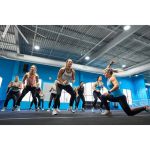 Burn Boot Camp4.0 (75 reviews)
 Kris' Power Tumbling Dance and Cheer4.0 (16 reviews)
 Bryant Gymnasium4.0 (7 reviews)
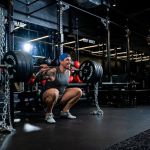 Barbell Basics: Squat, Deadlift, and Press Technique for New Lifters This Fall
 Beginner's Guide to Nutrition: Essential Tips for a Healthy Diet
 10 Common Fitness Mistakes to Avoid for Better Results
 Best Warm Clothing Choices for Early Morning Runs Without Sacrificing Breathability
 How to Use a Training Pyramid (Volume → Intensity) to Build Durable Fall Fitness
 The Best Strategies for Building Speed While Preserving Aerobic Base During Fall Training