
- #understanding-strength-and-mobility-training
- #why-strength-and-mobility-should-be-trained-together
- #building-a-balanced-strength-and-mobility-routine
- #best-exercises-for-strength-and-mobility-improvement
- #common-mistakes-that-limit-mobility-and-strength
- #real-life-training-experiences-and-performance-results
- #hot-fitness-for-smarter-training-solutions
Understanding Strength and Mobility Training for Better Movement
Many people believe strength and mobility are opposite goals. They often imagine that building muscle means becoming stiff, while improving flexibility means becoming weaker. In reality, the strongest and most capable bodies are usually those that can combine power, control, and freedom of movement.
Learning how to improve strength and mobility at the same time is one of the most effective ways to create a balanced fitness routine. Whether you are an athlete, a beginner starting your fitness journey, or someone looking to move better in daily life, training both qualities together can improve performance and reduce movement limitations.
Strength allows your body to produce force, while mobility allows your joints to move through a healthy range of motion with control. When these two abilities work together, your body becomes more efficient, stable, and adaptable.
1.1 What Is the Difference Between Strength and Mobility?
Strength refers to your muscles' ability to create force. It helps you lift heavier objects, perform powerful movements, maintain posture, and handle physical challenges.
Mobility refers to your ability to actively control movement through your available range of motion. It is not simply being flexible. Flexibility means a muscle can stretch, while mobility means you can control that movement using your muscles and joints.
For example, someone may be able to perform a deep squat while holding onto support, but they may struggle to maintain balance and control without assistance. Mobility training helps bridge that gap.
1.2 Why Modern Fitness Focuses on Movement Quality
Traditional fitness programs often focused heavily on either lifting weights or stretching. However, modern training approaches recognize that isolated improvements do not always create better movement.
A person who only trains strength may develop muscle but struggle with restricted movement patterns. A person who only stretches may improve flexibility but lack the stability needed for real-world activities.
Combining strength and mobility creates a more complete approach to fitness.
Why Strength and Mobility Should Be Trained Together
The body is an interconnected system. Muscles, joints, tendons, and nervous system responses all work together during movement. Improving one area while ignoring another can create imbalances.
A strength and mobility training approach helps your body become both powerful and functional.
2.1 Improving Athletic Performance
Athletes across different sports rely on the combination of strength and mobility. A basketball player needs explosive power but also requires ankle and hip mobility for quick changes of direction. A runner needs strong muscles but also efficient joint movement.
Even recreational athletes benefit from this approach because better movement quality often leads to improved performance.
2.2 Reducing the Risk of Movement Problems
Limited mobility can force the body to compensate during exercise and daily activities. For example, restricted hip mobility may affect squat technique, while limited shoulder movement may change lifting mechanics.
Mobility training helps improve movement patterns, while strength training builds the stability needed to maintain those improvements.
2.3 Supporting Long-Term Fitness Progress
Many people experience frustration because they focus only on short-term goals such as lifting heavier weights or changing body appearance. However, long-term fitness depends on maintaining a body that moves well.
Training strength and mobility together creates a foundation that supports future progress.
Building a Balanced Strength and Mobility Routine
Creating a successful program requires more than adding random stretches after a workout. A balanced routine should intentionally combine mobility exercises, strength movements, recovery strategies, and proper progression.
3.1 Start With Movement Assessment
Before changing your training routine, it helps to understand your current abilities. Pay attention to areas where movement feels restricted or uncomfortable.
Common mobility limitations include:
- Tight hips during squatting movements
- Limited shoulder rotation
- Restricted ankle movement
- Poor control during single-leg exercises
Identifying these areas allows you to choose exercises that support your personal needs.
3.2 Combine Strength Exercises With Mobility Benefits
Some exercises naturally improve both strength and mobility because they require controlled movement through a wide range of motion.
Examples include:
- Deep squats
- Turkish get-ups
- Lunges with rotation
- Controlled push-ups
- Deadlifts with proper technique
These movements challenge muscles while encouraging better joint control.
3.3 Use Mobility Training as Active Preparation
Many people treat mobility work as something done only after exercise. However, mobility exercises can also prepare the body before training.
Dynamic movements before a workout increase blood flow, improve coordination, and help the nervous system prepare for activity.
3.4 Include Recovery-Based Mobility Sessions
Not every mobility session needs to be intense. Gentle movement sessions can help the body recover after challenging workouts.
Activities such as controlled stretching, yoga-inspired movements, and light mobility flows can support recovery while maintaining movement quality.
Best Exercises for Improving Strength and Mobility at the Same Time
Choosing the right exercises is essential when your goal is to improve both physical power and movement freedom. The following movements are popular because they train multiple aspects of fitness together.
4.1 Deep Squats for Lower Body Strength and Hip Mobility
The squat is one of the most valuable movements for developing lower-body strength. When performed with proper technique, it also challenges ankle, knee, and hip mobility.
A controlled deep squat requires:
- Strong leg muscles
- Stable core control
- Mobile hips
- Good ankle flexibility
Practicing squats with gradual progression can help improve both strength and movement confidence.
4.2 Turkish Get-Ups for Full-Body Control
The Turkish get-up is a challenging exercise that combines strength, balance, coordination, and mobility.
Because the movement requires multiple transitions, it teaches the body to remain stable while moving through different positions.
4.3 Lunges With Rotation for Functional Movement
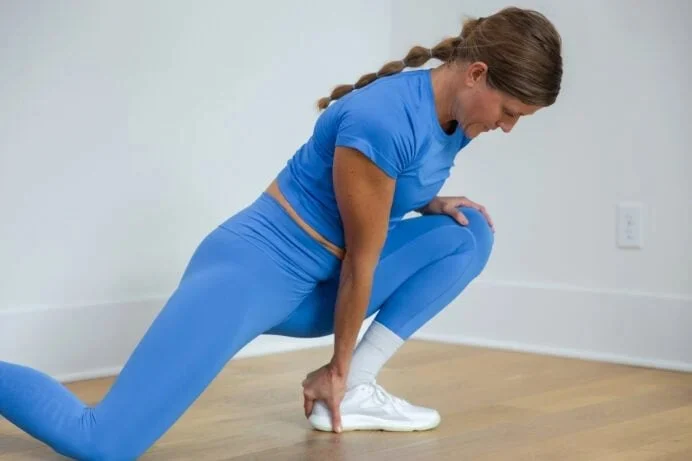
Lunges strengthen the legs while improving hip mobility and rotational control.
Adding controlled rotation engages the core and teaches the body to coordinate multiple movement patterns at once.
4.4 Loaded Carries for Stability and Strength
Carrying weights while walking may seem simple, but it is an excellent functional exercise. Loaded carries improve grip strength, posture, core stability, and overall body control.
They also train the body to maintain alignment during real-life activities.
Common Mistakes That Limit Strength and Mobility Progress
Many people struggle to improve because of training mistakes rather than lack of effort. Understanding these common problems can make your workouts more effective.
5.1 Focusing Only on Heavy Weights
Progressive overload is important for building strength, but constantly increasing weight without maintaining proper movement quality can create limitations.
A lighter weight performed through a full range of motion is often more beneficial than a heavier weight performed with poor technique.
5.2 Treating Stretching as the Only Mobility Solution
Stretching can improve flexibility, but mobility requires active control.
For example, being able to passively move your leg higher does not automatically mean you can control that position during movement.
5.3 Ignoring Recovery and Rest
Training creates stress on the body, but adaptation happens during recovery. Insufficient rest can reduce performance and increase fatigue.
A successful program balances challenging workouts with appropriate recovery strategies.
5.4 Training Without Proper Technique
Good movement patterns are the foundation of long-term progress. Learning correct technique helps maximize results and supports safer training.
Working with experienced coaches or using reliable fitness resources can help improve exercise quality.
Real-Life Training Experiences and Performance Improvements
Many people discover the benefits of combined strength and mobility training when they move beyond traditional workout routines.
6.1 A Beginner's Journey From Stiffness to Better Movement
A common example is someone who begins strength training after years of inactivity. Initially, they may become stronger but notice stiffness in their hips, shoulders, or back.
After adding mobility-focused exercises, they often experience improvements in posture, exercise technique, and daily movement.
The biggest change is usually not just physical. Many people gain confidence because their body feels more capable.
6.2 Lessons From Professional Athletes
Professional athletes often include mobility training as part of their performance programs. Their routines show that flexibility, joint control, and strength are not separate goals.
Elite performers understand that the ability to move efficiently is a competitive advantage.
6.3 How Functional Fitness Changed Training Culture
The growth of functional fitness has changed how many people approach exercise. Instead of focusing only on appearance, more individuals now prioritize strength, mobility, and overall health.
This shift reflects a broader understanding that fitness should support everyday life.
Hot Fitness for Smarter Strength and Mobility Training
Building strength and mobility requires the right knowledge, equipment, and training approach. Hot Fitness provides fitness resources and solutions designed to help individuals create more effective workout routines.
Whether you are improving athletic performance, building functional strength, or simply trying to move better, having access to quality fitness guidance can make the process easier.
7.1 Creating a Sustainable Fitness Lifestyle
The best training program is one you can maintain consistently. Improving strength and mobility is not about quick results. It is about building habits that support your body for years.
A balanced approach includes:
- Consistent strength training
- Regular mobility practice
- Proper recovery
- Attention to movement quality
7.2 Making Movement a Part of Everyday Life
The ability to move well affects everything from exercise performance to daily activities. Carrying groceries, playing sports, traveling, and enjoying hobbies all require strength and mobility.
Learning how to improve strength and mobility at the same time gives you more than better workouts. It gives you a stronger, more capable, and more adaptable body.




 Orangetheory Fitness4.0 (179 reviews)
 Rocky Point Golf Course ClubHouse4.0 (6 reviews)
 Parakeet Pilates5.0 (16 reviews)
 The Body Collective4.0 (7 reviews)
 HealthTrack Sports Wellness3.0 (112 reviews)
 PLYO FITNESS at HOLLYWOOD GYM4.0 (91 reviews)
 Cross-Training for Runners: Swimming, Rowing, and Strength Workouts That Reduce Injury
 How to Build Muscle Naturally with Proper Nutrition
 How to Use Progressive Hill Work to Build Leg Strength While Avoiding Overuse Injuries
 Best Foods to Eat Before and After Exercise: Fuel Your Body Right
 Best Apps to Track Your Home Workout Progress: Stay on Track and Achieve Your Goals
 How to Burn 500 Calories in a 45-Minute Workout Effectively