
- 1- Why Single-Leg Strength Matters
- 2- Benefits of Reducing Asymmetries in Strength
- 3- Best Exercises for Building Single-Leg Strength
- 4- How to Progress These Exercises
- 5- Autumn Training Tips to Maximize Results
- 6- Common Mistakes to Avoid
- 7- Conclusion: Strengthen and Balance Your Lower Body
1- Why Single-Leg Strength Matters
Single-leg strength is essential for a balanced and functional body. Many daily activities such as walking, running, and climbing stairs rely on our ability to support weight on one leg at a time. Developing single-leg strength helps prevent injuries, improve balance, and enhance athletic performance. It also plays a critical role in reducing the risk of knee, hip, and lower back problems that can arise from imbalances between the left and right side of the body.

Heatwise / heatwise upper west side
New YorkNew York CountyNew York
164 W 80th St, New York, NY 10024, USA
2- Benefits of Reducing Asymmetries in Strength
Asymmetries in strength between your left and right sides can lead to a variety of issues, including poor posture, decreased athletic performance, and even injury. By addressing and correcting these imbalances, you can:
- Improve Performance: Symmetry allows for better movement efficiency and coordination.
- Prevent Injuries: Equal strength in both legs ensures that one leg isn’t compensating for the other, reducing the likelihood of strain or injury.
- Enhance Balance: A more balanced body makes complex movements, such as running or lifting, easier and safer.
3- Best Exercises for Building Single-Leg Strength
Here are some effective exercises to target single-leg strength and reduce asymmetries:
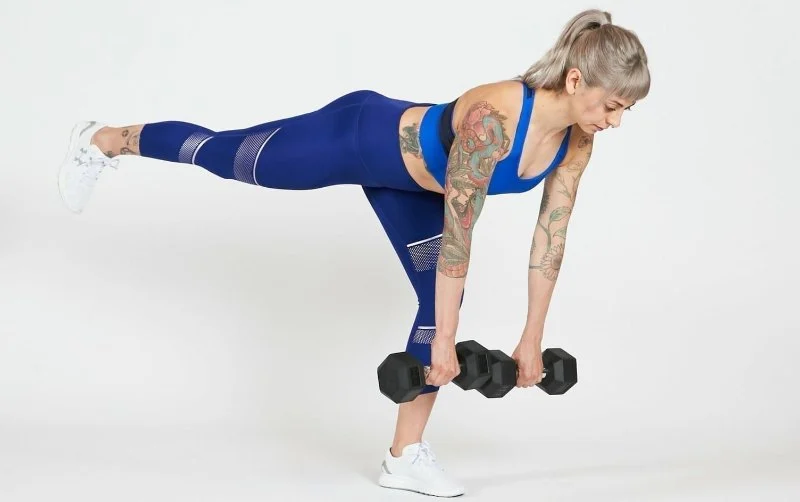
- Single-Leg Deadlifts: This exercise targets the hamstrings, glutes, and lower back, helping to develop strength and stability in the legs.
- Bulgarian Split Squats: This challenging move builds single-leg strength while engaging the quads, glutes, and stabilizer muscles.
- Step-Ups: Using a bench or step, step-ups mimic real-life movement patterns, strengthening the glutes and quads while improving coordination.
- Single-Leg Squats: A more advanced move, the single-leg squat demands balance, mobility, and strength from your legs, hips, and core.
4- How to Progress These Exercises
As with any strength-building exercises, it’s important to progress them as you get stronger. Start with bodyweight exercises to ensure proper form, and then gradually increase the difficulty by adding weights or increasing the number of reps. Here are some tips for progression:
- Start Slow: Focus on mastering the technique before adding weight to avoid injury and maximize the effectiveness of each movement.
- Increase Reps or Sets: As you get stronger, increase the number of reps or sets for each exercise.
- Use Dumbbells or Kettlebells: Adding weight challenges the muscles and improves strength over time.
- Challenge Balance: Perform exercises on unstable surfaces, such as a balance pad or BOSU ball, to engage stabilizer muscles.
5- Autumn Training Tips to Maximize Results
As the weather changes, your training environment and routines may need to adapt. Here are some autumn training tips to help you stay on track and get the most out of your single-leg strength exercises:
- Layer Your Clothing: Make sure to wear appropriate layers to stay warm but comfortable, especially if you’re training outdoors.
- Adjust Your Routine: If outdoor conditions are slippery, switch to indoor exercises that don’t require a lot of space.
- Focus on Mobility: The colder weather can affect your flexibility, so incorporate dynamic stretching and mobility work into your routine.
6- Common Mistakes to Avoid
When working on building single-leg strength, it’s important to avoid some common mistakes that could slow down your progress or lead to injury:
- Neglecting Balance: Always ensure that you’re focusing on both strength and balance during each exercise. Don’t rush the movements.
- Ignoring Asymmetries: If you notice that one leg is consistently weaker than the other, focus more on exercises that target that leg without overtraining it.
- Skipping Recovery: Proper rest is essential for muscle recovery and growth, so don’t skip rest days or neglect mobility exercises.
7- Conclusion: Strengthen and Balance Your Lower Body
Building single-leg strength and addressing any asymmetries is essential for improving your performance, reducing injury risk, and enhancing overall lower body functionality. By incorporating the right exercises into your routine, progressing them gradually, and staying consistent with your training, you can enjoy a more balanced, stronger body this autumn.
For more expert advice on fitness and strength training, check out Hot Fitness for the best products and services tailored to your goals.


 Giant Gymnastics of Hackettstown4.0 (16 reviews)
 BTN Fitness Center4.0 (29 reviews)
 Strength Culture4.0 (40 reviews)
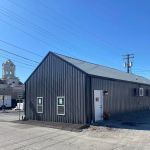 Full Circle Spin Studio0.0 (0 reviews)
 Gibsons Fitness Center4.0 (64 reviews)
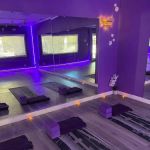 Agni Flo Sound Bowl and Yoga5.0 (10 reviews)
 How to Combine Strength, Mobility, and Tempo Work to Prepare for Tough Fall Race Courses
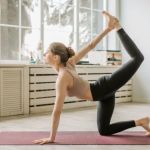 The Benefits of Daily Yoga – Why You Should Practice Yoga Every Day
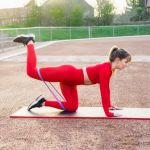 How to Build Stronger Glutes for Running Power, Speed, and Injury Prevention
 The Ultimate Exercise Routine
 The Best Cross-Training Workouts for Busy Runners Looking to Maintain Fitness in Fall
 How to Use Short, High-Quality Cross-Training Sessions to Improve Running Performance