
- 1-Introduction to Strength Training Progression for Runners
- 2-Why Strength Training is Essential for Runners
- 3-Starting with Bodyweight Exercises
- 4-Progressing to Heavier Loads Safely
- 5-Case Study: How a Runner Benefited from Strength Training
- 6-Conclusion and Key Takeaways
1. Introduction to Strength Training Progression for Runners
Strength training is an often overlooked but crucial component of a runner’s fitness routine. While running builds endurance and cardiovascular strength, it’s essential to incorporate strength training to prevent injuries, improve performance, and promote long-term sustainability. This article focuses on how runners can safely progress from bodyweight exercises to heavier loads, ensuring they build strength without compromising their running form or health.

2. Why Strength Training is Essential for Runners
For runners, strength training offers multiple benefits that directly contribute to better running performance. Stronger muscles improve your running economy, allowing you to run more efficiently and with less energy. Strengthening key muscles like the core, glutes, quads, and hamstrings enhances stability, reducing the risk of injuries such as runner's knee, shin splints, and hamstring strains. Additionally, a strong body can help runners power through fatigue and maintain form during long runs.

VASA Fitness / vasa fitness arizona
3131 E Thunderbird Rd, Phoenix, AZ 85032, USA
3. Starting with Bodyweight Exercises
For those new to strength training, starting with bodyweight exercises is the safest approach. These exercises focus on building foundational strength and proper movement patterns before introducing additional resistance. Some of the most effective bodyweight exercises for runners include lunges, squats, planks, glute bridges, and step-ups. These exercises engage multiple muscle groups, helping runners to improve their posture and form.
One of the primary goals at this stage is mastering movement quality. It’s essential to perform exercises with correct technique to prevent injury and ensure that the body can handle heavier loads in the future. A good starting point for beginners is to perform 2-3 sets of each exercise for 10-12 reps. Over time, this can be progressed by increasing repetitions or adding variations to challenge different muscle groups.
4. Progressing to Heavier Loads Safely
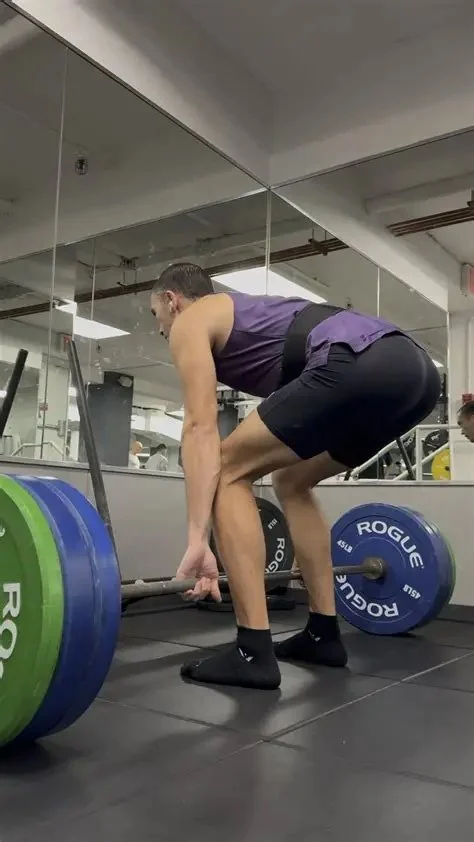
Once a runner has mastered bodyweight exercises, they can begin incorporating heavier loads into their strength training routine. This progression should be gradual to avoid injury. The key is to start light and slowly increase resistance, ensuring that form is maintained throughout. Some effective ways to progress include using dumbbells, kettlebells, resistance bands, or even barbell squats and deadlifts as strength improves.
For example, after mastering bodyweight squats, a runner might start by holding dumbbells in each hand and performing squats with a light weight. Over time, as strength and confidence grow, the runner can increase the load and move on to more complex movements like barbell squats, lunges, or kettlebell swings. It’s important to incorporate progressive overload — the practice of gradually increasing resistance to stimulate muscle growth — while also allowing time for recovery and avoiding overtraining.
5. Case Study: How a Runner Benefited from Strength Training
Meet Sarah, a marathoner who was struggling with knee pain and fatigue during long runs. After consulting with a coach, she incorporated strength training into her routine, focusing initially on bodyweight exercises like lunges and squats. Over time, Sarah progressed to using dumbbells and kettlebells, strengthening her quads, hamstrings, and glutes.
Within three months, Sarah noticed significant improvements in her running. Her knee pain decreased, and she felt more powerful during long runs. Strength training helped her to run more efficiently, allowing her to maintain a faster pace without tiring as quickly. This case highlights the effectiveness of a well-rounded strength training program for injury prevention and performance improvement in runners.
6. Conclusion and Key Takeaways
Strength training is a vital part of a runner’s training regimen. Progressing from bodyweight exercises to heavier loads in a gradual and controlled manner helps runners build strength, prevent injuries, and enhance their running performance. Whether you’re a beginner or an experienced runner, incorporating strength training into your routine is crucial for long-term success and health.
At Hot Fitness, we offer the best products and services to support your fitness journey. Whether you're looking for strength training equipment or expert guidance, we have everything you need to elevate your performance safely.






 Reflex Functional Fitness5.0 (252 reviews)
 Fitness Factory Charleston4.0 (197 reviews)
 Bünda Costa Mesa5.0 (21 reviews)
 Club Pilates4.0 (285 reviews)
 Luna Strength5.0 (6 reviews)
 Olympia Weightlifting Center4.0 (18 reviews)
 The Best Strength Training for Busy People
 How to Design a Balanced 8-Week Program for Trail-Running Strength and Endurance Gains
 Why Everyone Should Try Workout – Benefits and Tips for Fitness Enthusiasts
 Beginner’s Guide to Pilates: Master the Basics and Start Your Journey
 Beginner’s Guide to Fitness: Tips for Starting Your Fitness Journey
 How to Use Short Threshold Sessions to Raise Sustainable Pace Without Sacrificing Recovery