
How to Use Short, High-Quality Cross-Training Sessions to Improve Running Performance
- - Understanding Cross-Training and Its Benefits
- - How Cross-Training Improves Running
- - Short and Effective Cross-Training Sessions for Runners
- - Best Cross-Training Exercises for Runners
- - Tips for Integrating Cross-Training into Your Running Routine
- - Recommended Products from Hot Fitness
1. Understanding Cross-Training and Its Benefits
Cross-training involves incorporating various forms of exercise into your training routine. For runners, it’s a great way to complement running workouts by focusing on building strength, flexibility, and cardiovascular endurance without the repetitive stress on the joints. Short, high-quality cross-training sessions are particularly effective for improving overall running performance by helping to prevent injuries, reduce fatigue, and increase endurance. By diversifying your workout routine, cross-training provides a balanced approach to fitness that enhances your running performance.
2. How Cross-Training Improves Running
Cross-training helps runners in multiple ways, focusing on aspects that can’t be developed through running alone. Here’s how it contributes to improved running performance:
Anytime Fitness / anytime fitness somers
SomersCapitol Planning RegionConnecticut
95 S Rd, Somers, CT 06071, USA
2.1. Reduces the Risk of Injury
Running, especially long-distance running, can place a lot of strain on the muscles and joints. Cross-training helps target other muscle groups that aren't typically engaged during running, improving muscle balance and reducing the risk of overuse injuries. Strengthening the core, glutes, and upper body will provide better support for your running form and reduce the chances of injury.
2.2. Improves Cardiovascular Endurance
While running is excellent for building cardiovascular endurance, adding cross-training activities like cycling or swimming can further enhance your aerobic capacity. These activities offer a low-impact way to elevate your heart rate while engaging different muscle groups, which helps boost overall stamina.
2.3. Enhances Mental Focus
Doing the same workout repeatedly can lead to mental fatigue and burnout. Cross-training provides variety, keeping your workouts fresh and engaging. By incorporating different activities, you not only prevent boredom but also challenge your body in new ways, keeping you motivated to stay consistent with your training.
3. Short and Effective Cross-Training Sessions for Runners
The key to successful cross-training for runners is making the sessions short yet effective. You don’t need hours of exercise to experience the benefits. Here are some guidelines to get the most out of your cross-training sessions:
3.1. Time Efficient Cross-Training
Short cross-training sessions of 20-30 minutes are ideal for most runners. These workouts should focus on intensity rather than duration to ensure you’re targeting the key areas that benefit your running performance. A combination of strength, cardio, and flexibility exercises will yield the best results.
3.2. High-Intensity Interval Training (HIIT)
HIIT workouts are perfect for improving running performance in a short amount of time. HIIT consists of alternating between high-intensity bursts and low-intensity recovery periods. This can be done with exercises such as cycling, rowing, or bodyweight movements like squats and burpees. HIIT improves cardiovascular health, burns fat, and builds strength—all critical components for better running.
3.3. Low-Impact Cross-Training
To give your body a break from the pounding of running, incorporate low-impact activities such as swimming, cycling, or elliptical training. These exercises allow you to maintain cardiovascular fitness without the high impact on your joints, making them perfect for recovery days.
4. Best Cross-Training Exercises for Runners
Incorporating a variety of exercises into your cross-training routine can keep things interesting and help target different muscle groups. Here are some of the best cross-training exercises for runners:
4.1. Cycling
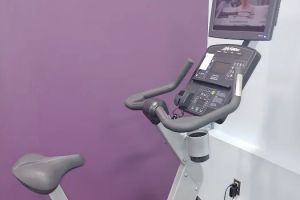
Cycling is an excellent low-impact exercise that mimics the motion of running while giving your joints a break. It’s great for building leg strength and endurance, making it a perfect addition to your cross-training routine.
4.2. Swimming
Swimming is a full-body workout that’s easy on the joints. It enhances cardiovascular endurance, builds strength, and improves flexibility, making it an ideal cross-training exercise for runners.
4.3. Rowing
Rowing is another low-impact exercise that works both the upper and lower body. It targets the back, arms, and core while improving cardiovascular fitness, making it a great complement to running.
4.4. Strength Training
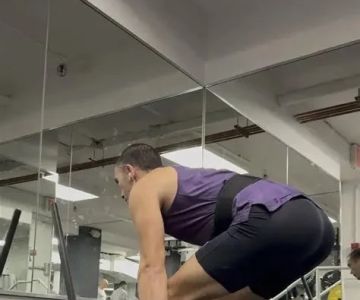
Incorporating strength training into your cross-training routine helps build muscle, improve running form, and prevent injuries. Focus on exercises that strengthen your core, legs, and glutes, such as lunges, squats, and deadlifts.
5. Tips for Integrating Cross-Training into Your Running Routine
Here are some helpful tips for incorporating cross-training into your running schedule:
5.1. Schedule Cross-Training on Non-Running Days
For optimal results, schedule your cross-training sessions on days when you’re not running. This helps give your muscles a break from running while still providing a good workout. Try to aim for 2-3 cross-training sessions per week, depending on your running schedule.
5.2. Listen to Your Body
Pay attention to how your body feels during cross-training. If you’re feeling overly fatigued or sore, take a rest day or opt for a low-impact exercise like swimming or cycling to allow your muscles to recover.
5.3. Focus on Quality, Not Quantity
Remember that short, high-quality sessions are more effective than long, exhausting workouts. Keep the intensity high, but be mindful of overtraining. A focused 30-minute workout can provide more benefits than an hour of lower-intensity exercise.
6. Recommended Products from Hot Fitness
If you're looking to elevate your cross-training routine, visit Hot Fitness for a variety of equipment, from resistance bands to kettlebells, to help improve your performance. Whether you’re looking for training gear for strength workouts or cardiovascular machines like rowers and bikes, Hot Fitness has everything you need for a complete fitness regimen.





 Inner Space Yoga5.0 (119 reviews)
 Grind Health Club | Waterbury Fitness Gym4.0 (19 reviews)
 Bounce Alexandria3.0 (7 reviews)
 ArdorX Boot Camp Richmond5.0 (52 reviews)
 Planet Fitness4.0 (1060 reviews)
 F45 Training Manhattan Beach Pacific5.0 (21 reviews)
 The title is optimized for search engines and matches the content of the article.
 How to Use Short, High-Quality Cross-Training Sessions to Improve Running Performance
 Advanced Techniques for Better CrossFit Results
 The Best Strategies for Building Speed While Preserving Aerobic Base During Fall Training
 The Runner’s Guide to Strengthening Hips and Glutes for Better Performance
 Best Post-Workout Stretching Routine to Improve Flexibility and Reduce Soreness