

How to Combine Strength, Mobility, and Tempo Work to Prepare for Tough Fall Race Courses
- 1. The Importance of Strength, Mobility, and Tempo Work for Race Preparation
- 2. How Strength Training Enhances Performance in Fall Races
- 3. Incorporating Mobility Work for Injury Prevention and Flexibility
- 4. The Role of Tempo Work in Building Endurance and Speed
- 5. Creating a Balanced Training Plan for Fall Races
1. The Importance of Strength, Mobility, and Tempo Work for Race Preparation
Preparing for tough fall race courses requires a well-rounded training regimen. Combining strength, mobility, and tempo work can provide a solid foundation for runners to improve performance and reduce the risk of injury. Each component serves a specific purpose that helps runners tackle the diverse challenges of long-distance races and obstacle courses.
Strength training builds the muscle power needed to propel you through challenging terrain, while mobility work enhances flexibility and range of motion, helping you move more efficiently. Tempo workouts, on the other hand, improve your cardiovascular endurance, allowing you to sustain a faster pace over longer distances.

Club Pilates / club pilates west chester pa
Port ChesterWestchester CountyNew York
527 Boston Post Rd, Port Chester, NY 10573, USA
2. How Strength Training Enhances Performance in Fall Races
Strength training is often overlooked by runners, but it’s essential for improving overall performance, especially in challenging race courses. Incorporating strength exercises into your routine helps develop muscle endurance, power, and stability, all of which are critical for running efficiently and preventing fatigue.
Key benefits of strength training for race preparation include:
- Increased power: Strength training, particularly exercises targeting the legs and core, builds power that helps you maintain momentum on uphill or uneven terrain.
- Improved running form: Strengthening muscles like the glutes, hamstrings, and core helps you maintain a more stable and efficient running posture.
- Reduced injury risk: Building strength in key muscle groups improves joint stability and reduces the likelihood of overuse injuries, especially in high-impact races.
3. Incorporating Mobility Work for Injury Prevention and Flexibility
Mobility work is crucial for maintaining flexibility and reducing stiffness in the muscles and joints, which can improve running efficiency and reduce the risk of injury. Stretching and mobility exercises should be included as part of your warm-up and cool-down routine.
Some key mobility exercises to incorporate include:
- Hip flexor stretches: Stretching the hip flexors can help improve your stride length and reduce tightness that can lead to lower back and knee pain.
- Ankle mobility exercises: Improving ankle mobility allows for a more efficient push-off, which is especially beneficial in races with uphill climbs.
- Thoracic spine rotations: These exercises increase flexibility in the upper back and improve posture, which is crucial for long-distance races.
By dedicating time to mobility work, runners can ensure their muscles remain flexible and adaptable to the stresses of race conditions.
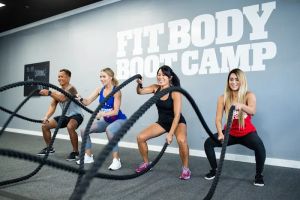
South Chandler Fit Body Boot Camp / south chandler fit body boot camp
ChandlerMaricopa CountyArizona
25410 S Arizona Ave suite 186, Chandler, AZ 85248, USA
4. The Role of Tempo Work in Building Endurance and Speed
Tempo work, often referred to as threshold training, involves running at a pace just below your lactate threshold. This type of workout is vital for building endurance and improving your ability to sustain a faster pace over longer distances.
Tempo training is important because it helps your body adapt to running at a faster pace without accumulating excess lactic acid, which can cause fatigue. Here are the benefits of incorporating tempo work into your training:
- Improved lactate threshold: Tempo workouts increase the pace at which lactic acid builds up in your muscles, allowing you to run longer at faster speeds without feeling fatigued.
- Enhanced aerobic capacity: Consistent tempo training improves cardiovascular endurance, which is crucial for handling tough race courses.
- Better pacing: Tempo runs teach you to control your pace, helping you avoid going out too fast and burning out before the race is over.
5. Creating a Balanced Training Plan for Fall Races
To prepare effectively for a tough fall race, your training plan should balance strength, mobility, and tempo work. Here's how to structure your training week:
- Strength training: Incorporate two to three strength training sessions per week focusing on lower body, core, and stability exercises. Use compound movements like squats, deadlifts, and lunges.
- Mobility work: Dedicate time to dynamic stretching and foam rolling during your warm-ups and cool-downs. Include static stretching to improve flexibility post-workout.
- Tempo runs: Schedule one to two tempo runs per week, gradually increasing the distance and intensity. Include intervals at your threshold pace and work on running at a consistent pace over longer distances.
By combining these three components, you’ll be able to maximize your training and be well-prepared to tackle any challenges the fall race season throws your way. Remember to listen to your body, and don’t hesitate to make adjustments based on how you’re feeling throughout your training journey.
For more race preparation tips and training gear, visit Hot Fitness to find the best products for your race season.


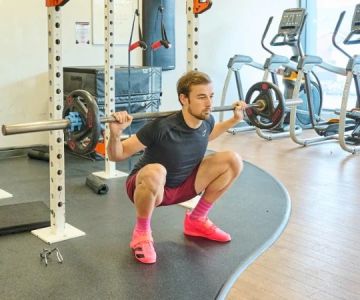

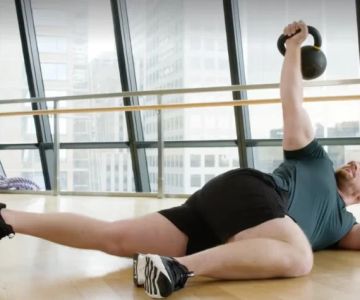

 Pommel Horse Ranch Camp5.0 (1 reviews)
 Gold's Gym Arcadia3.0 (413 reviews)
 Snap Fitness Fallston4.0 (48 reviews)
 Mayweather Boxing + Fitness4.0 (58 reviews)
 PDX Rhythmic Gymnastics Ballet & Dance Performing Arts (PDXRBD)4.0 (16 reviews)
 FEARLESS FITNESS LA0.0 (0 reviews)
 Trail Running Essentials: Shoes, Gear and Strength Prep for Rugged Fall Courses
 How to Use Tempo Runs to Bridge the Gap Between Easy Mileage and Race Pace Workouts
 Science-Backed Tips for Improving Your Healthy Lifestyle
 Advanced Techniques for Better Fitness Results
 10 Common Fitness Mistakes to Avoid for Better Results
 How to Prepare Your Body for a Fall Obstacle Race: Grip, Legs, and Cardio