- 1. Why Nutrition is Crucial Before and After HIIT
- 2. Best Foods to Eat Before HIIT Workouts
- 3. Best Foods to Eat After HIIT Workouts
- 4. Hydration: The Key to Optimizing Performance
1. Why Nutrition is Crucial Before and After HIIT
High-intensity interval training (HIIT) is an efficient and powerful workout that demands proper nutrition to maximize performance and recovery. Your body requires fuel before the workout to perform at its best and nutrients afterward to recover. This article explores what foods you should eat before and after a HIIT session to ensure you get the most out of your efforts.
Titus Sports Academy / titus sports academy
WilmingtonNew Castle CountyDelaware
401 Garasches Ln, Wilmington, DE 19801, USA
2. Best Foods to Eat Before HIIT Workouts
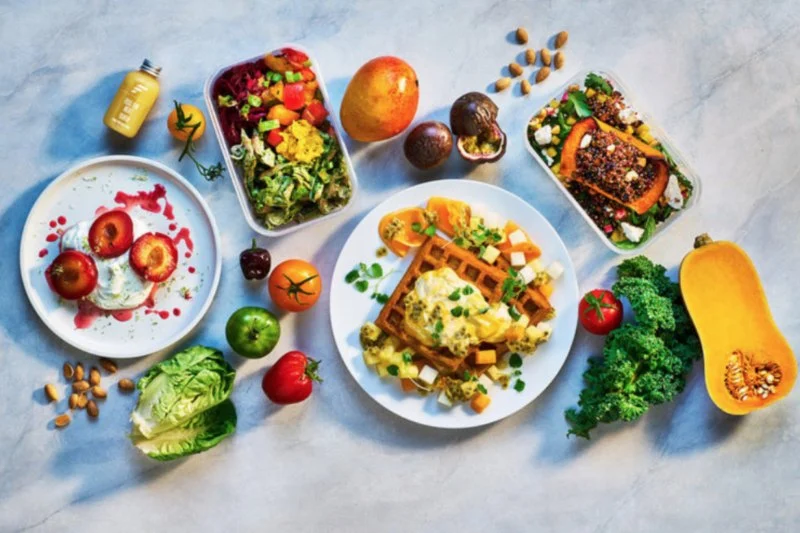
Eating the right foods before a HIIT workout helps fuel your body for optimal energy, endurance, and strength. The goal is to provide your body with easily digestible carbohydrates and a moderate amount of protein without feeling too heavy. Here are some of the best pre-HIIT foods:
- Bananas: A great source of carbohydrates and potassium, bananas provide natural sugars and help prevent muscle cramps during your workout.
- Whole Wheat Toast with Nut Butter: This combination offers complex carbs for sustained energy and healthy fats and proteins to keep you feeling full.
- Greek Yogurt with Berries: Packed with protein, Greek yogurt helps build muscle, and the berries provide quick-digesting carbohydrates for a fast energy boost.
- Oats: Rich in fiber and slow-digesting carbs, oats keep energy levels steady throughout your workout.
3. Best Foods to Eat After HIIT Workouts
Post-HIIT nutrition is just as important as pre-workout fueling. After intense exercise, your muscles are in need of recovery, and your glycogen stores are depleted. The goal here is to consume foods that promote muscle repair, replenish glycogen stores, and reduce muscle soreness. Here are some top post-HIIT foods:
- Protein Shake with Fruit: A quick and easy way to supply your body with protein for muscle repair and carbohydrates to replenish glycogen stores. Choose a whey or plant-based protein powder and mix with your favorite fruit for added nutrients.
- Grilled Chicken and Quinoa: This combination provides lean protein for muscle recovery and quinoa’s complex carbohydrates to restore energy levels.
- Salmon and Sweet Potatoes: Salmon is rich in omega-3 fatty acids that help reduce inflammation, while sweet potatoes provide the complex carbs needed to fuel your body after a hard workout.
- Eggs and Avocado Toast: Eggs provide high-quality protein, and the healthy fats from avocado help with nutrient absorption and muscle recovery.
4. Hydration: The Key to Optimizing Performance
While food is essential, hydration also plays a crucial role in how you perform during and recover after HIIT workouts. Dehydration can lead to fatigue, muscle cramps, and poor performance. It’s important to drink water before, during, and after your workout. In addition, incorporating electrolyte-rich drinks or coconut water can help replenish minerals lost through sweat and support your recovery.
As a bonus tip: Avoid sugary sports drinks, as they can spike your blood sugar levels and hinder recovery. Instead, opt for a natural hydration source like coconut water or a low-sugar electrolyte drink.



 EōS Fitness4.0 (1753 reviews)
 PLATEFIT5.0 (59 reviews)
 StretchLab4.0 (16 reviews)
 YogaSix Scott's Addition4.0 (49 reviews)
 Progress Studio5.0 (79 reviews)
 Orangetheory Fitness4.0 (87 reviews)
 The Best Ways to Program Strength Work to Prevent Overuse Injuries During Fall Mileage Buildup
 How to Use Smartwatch Recovery and Sleep Data to Build a Smarter Weekly Plan This Autumn
 How to Use Mobility Tests to Personalize Your Fall Strength and Running Program
 Fall Fat Loss: How to Structure Workouts and Meals for Sustainable Results
 How to Use a Smartwatch to Track Training Stress and Plan Recovery Days
 Why Healthy Lifestyle Is the Secret to Your Success | Hot Fitness