

- 1. Understanding the Risk of Overuse Injuries During Fall Mileage Buildup
- 2. Why Strength Work Is Essential for Injury Prevention
- 3. How to Program Strength Work for Fall Mileage Buildup
- 4. Tips for Successful Integration of Strength Work into Your Running Routine
1. Understanding the Risk of Overuse Injuries During Fall Mileage Buildup
The fall season brings cooler weather, which many runners look forward to for building their mileage and training for upcoming races. However, with increased mileage comes an increased risk of overuse injuries. Overuse injuries occur when muscles, tendons, and bones are subjected to repetitive stress without adequate recovery. These injuries are common during periods of heavy training, especially when there is a significant increase in mileage over a short period.
As runners increase their weekly mileage, they put additional stress on their body’s muscles and joints, which can lead to conditions like stress fractures, tendonitis, and muscle strains. Therefore, it is important to take steps to reduce the risk of overuse injuries while building your mileage.

LA Fitness / la fitness camelback 7th ave
2077 E Camelback Rd, Phoenix, AZ 85016, USA
2. Why Strength Work Is Essential for Injury Prevention
Strength training is an essential component of any well-rounded training program, especially for runners. While running primarily targets the cardiovascular system and lower body muscles, it does not provide adequate strengthening for other muscles, tendons, and ligaments that support your joints. Without proper strength, your body becomes more susceptible to overuse injuries.
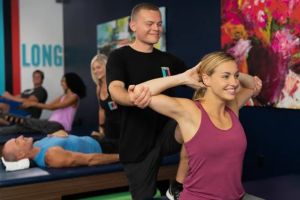
StretchLab / stretchlab west chester
West ChesterChester CountyPennsylvania
1365 Dilworthtown Rd, West Chester, PA 19382, USA
2.1 Strength Training Targets Weak Spots
One of the key benefits of strength work is that it helps target weak areas in the body. Weak muscles or imbalances in the body can lead to improper running mechanics, which in turn increases the risk of injury. By strengthening these weak areas, you can improve your running form, efficiency, and overall stability.
2.2 Increased Resilience and Recovery
Strengthening muscles, ligaments, and tendons can increase their resilience to stress. This makes it easier for the body to handle the repetitive movements and impact that come with running. Additionally, strength training promotes better recovery by improving blood circulation to muscles, reducing inflammation, and speeding up the healing process.
3. How to Program Strength Work for Fall Mileage Buildup
Incorporating strength training into your running routine is vital to prevent overuse injuries, especially when building mileage in the fall. The key is to program your strength work in a way that complements your running without overwhelming your body.
3.1 Frequency and Timing
To avoid overtraining, it's important to balance your strength workouts with your running schedule. Strength training should be done two to three times per week, with at least one day of rest in between sessions. For optimal performance, schedule your strength workouts on non-run days or after shorter, easier runs. Avoid strength training on hard run days or the day before long runs to prevent fatigue.
3.2 Focus on Key Muscle Groups
While all muscles in the body benefit from strength training, runners should focus on certain muscle groups that are most involved in running. These include:
- Core muscles: A strong core helps maintain good posture and stability during running, reducing the risk of strain and injury.
- Leg muscles: Strengthening the quadriceps, hamstrings, glutes, and calves is essential for proper running mechanics and injury prevention.
- Hip stabilizers: The hip muscles play a crucial role in stabilizing the pelvis and preventing excessive movement that can lead to injury.
- Ankle and foot muscles: Strengthening the feet and ankles helps improve your running form and prevents issues like plantar fasciitis and shin splints.
3.3 Incorporating Mobility and Flexibility
In addition to strength training, mobility and flexibility exercises should be incorporated into your routine. These exercises help improve the range of motion of your joints and muscles, which can reduce the likelihood of injury. Focus on dynamic stretching before runs and static stretching after your workout to enhance flexibility.
4. Tips for Successful Integration of Strength Work into Your Running Routine
Integrating strength work into your training program doesn't have to be overwhelming. Here are some tips to make sure your strength training supports your fall mileage buildup effectively:
4.1 Start Slowly
If you’re new to strength training or haven’t done it consistently, start with lighter weights and focus on mastering form before progressing. Gradually increase the intensity of your strength workouts as you become more comfortable with the exercises.
4.2 Listen to Your Body
It’s essential to listen to your body during both your runs and your strength workouts. If you feel excessively sore or fatigued, give yourself time to rest and recover. Pushing through pain can lead to injury, which can derail your training progress.
4.3 Combine Strength Training with Cross-Training
Cross-training activities such as cycling, swimming, or using an elliptical machine are excellent for improving cardiovascular fitness while giving your body a break from the pounding of running. Cross-training also helps reduce the risk of overuse injuries by diversifying the type of stress placed on your body.
4.4 Stay Consistent
Consistency is key when it comes to strength training. Even if you can only dedicate a small amount of time each week to strength work, the long-term benefits will be significant. Regularly incorporating strength training into your routine will improve your endurance, reduce injury risk, and enhance your performance.
By following these strategies, you can successfully build mileage while preventing overuse injuries during the fall season. Strength training is a valuable tool for all runners, and when properly integrated into your training, it will help you stay healthy and perform at your best.
If you’re looking for the right tools, gear, and guidance to optimize your running and strength training routine, check out Hot Fitness for all the resources you need to take your training to the next level.





 BAK To Life Fitness5.0 (10 reviews)
 Iron Standard Fitness5.0 (7 reviews)
 Yates Community Center - Elevate Youth4.0 (51 reviews)
 Limitless Body Sculpting Women's Fitness Studio4.0 (9 reviews)
 Goat for the Soul, Goat Yoga5.0 (6 reviews)
 Mission College Gym3.0 (11 reviews)
 Why Everyone Should Try CrossFit: Discover Its Benefits and Impact
 How to Train for a Fall Century Ride: Nutrition, Strength, and Pacing Essentials
 The Best Strength and Conditioning Drills to Improve Reaction Time and Agility for Fall Sports
 Beginner’s Guide to Weight Loss: Tips, Plans, and Strategies for Success
 Top Celebrity Workout Secrets You Can Try for a Healthier You
 How to Build a Post-Race Return Plan to Recover and Return Stronger