- 1 - Why Foam Rollers and Mobility Balls Are Essential for Runners
- 2 - Understanding the Benefits of Foam Rolling
- 3 - Mobility Ball Techniques for Targeted Recovery
- 4 - How to Incorporate Foam Rolling into Your Routine
- 5 - Common Mistakes to Avoid with Foam Rolling and Mobility Balls
1 - Why Foam Rollers and Mobility Balls Are Essential for Runners
As a runner, you likely push your body to its limits, whether it’s for long-distance races or sprints. This intensity often leads to tight muscles, stiffness, and even injury. Foam rollers and mobility balls are effective tools that help alleviate these issues by improving circulation, enhancing flexibility, and targeting muscle groups that tend to become tight from running.
Both foam rollers and mobility balls serve unique purposes. While foam rollers are great for larger muscle groups and provide a broader surface area for muscle release, mobility balls allow for more focused, pinpoint pressure to target smaller, harder-to-reach areas. Together, these tools create an essential routine for any runner looking to improve recovery, prevent injuries, and enhance performance.

2 - Understanding the Benefits of Foam Rolling
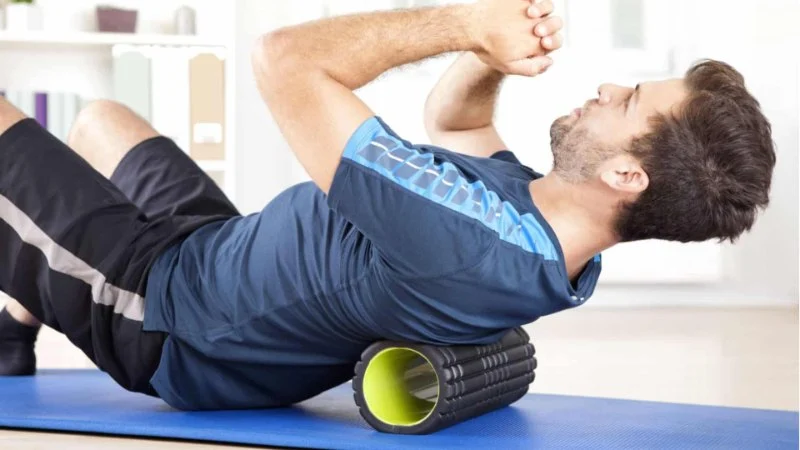
Foam rolling, or self-myofascial release (SMR), is a technique that applies gentle pressure to muscles to break up adhesions and improve muscle function. For runners, foam rolling offers numerous benefits that contribute to overall performance and well-being:

Hydrogen Fitness Greenwich / hydrogen fitness greenwich
Port ChesterWestchester CountyNew York
11 Riverdale Ave, Port Chester, NY 10573, USA
1. Improved Flexibility
Regular foam rolling helps improve flexibility by elongating the muscles and fascia, which can become tight from repetitive motion. Increased flexibility enhances your stride and range of motion, allowing you to run more efficiently and with less effort.
2. Reduced Muscle Soreness
Foam rolling can help reduce delayed onset muscle soreness (DOMS), which often occurs after long runs or intense training sessions. By breaking down the lactic acid build-up and promoting blood flow, foam rolling aids in faster recovery and less discomfort.
3. Injury Prevention
By maintaining muscle pliability, foam rolling helps prevent injuries like strains, sprains, and IT band syndrome. Regular use of a foam roller allows tight spots to release and reduces the likelihood of overuse injuries that are common in runners.
3 - Mobility Ball Techniques for Targeted Recovery
While foam rollers are great for larger muscle groups, mobility balls are ideal for targeting specific, smaller muscle areas that often need more focused attention. Here are some effective mobility ball techniques for runners:
1. Targeting the Glutes
Sitting on a mobility ball and rolling it over the glutes can help release tension and improve hip mobility. This is particularly helpful for runners who experience tightness in the hip flexors and glutes after long runs.
2. Working the Calves
The calves can become tight from running, especially if you do a lot of hill training or speedwork. Place the mobility ball under your calf muscle and gently roll it back and forth to release tension and increase circulation.
3. Releasing the Lower Back
Place the mobility ball at the base of your spine and gently roll over the lower back to release tightness. This technique is great for those who experience lower back discomfort after long runs or extended periods of sitting.
4 - How to Incorporate Foam Rolling into Your Routine
To gain the full benefits of foam rolling, it’s important to incorporate it into your regular training routine. Here’s how you can make foam rolling a regular part of your regimen:
1. Pre-Run Warm-Up
Before your run, spend a few minutes foam rolling your major muscle groups, such as the quads, hamstrings, and calves. This will help activate your muscles, increase blood flow, and prepare your body for the physical demands of running.
2. Post-Run Recovery
After your run, foam rolling is most effective for reducing muscle soreness and speeding up recovery. Spend 10-15 minutes rolling over your legs and lower back, focusing on areas that feel tight or sore. This helps release any built-up tension and promotes muscle recovery.
3. Consistency
Consistency is key when it comes to foam rolling. Try to incorporate foam rolling into your routine at least 3-4 times per week, whether before or after a run, or even on rest days. The more consistent you are, the more benefits you’ll experience in terms of flexibility, muscle health, and injury prevention.
5 - Common Mistakes to Avoid with Foam Rolling and Mobility Balls
While foam rolling and mobility balls can be highly beneficial, it's important to avoid some common mistakes to maximize their effectiveness:
1. Rolling Too Hard
Applying too much pressure can cause discomfort and potentially lead to bruising or muscle irritation. It's essential to use controlled, moderate pressure and avoid rolling over joints or bones. Start with light pressure and gradually increase it as you become more accustomed to the technique.
2. Rolling Over Injured Areas
Avoid using foam rollers or mobility balls directly on acute injuries, such as strains or sprains. Instead, focus on other areas that are not injured. Foam rolling should never replace professional medical treatment for injuries—use it as part of a recovery plan, not as a solution for active injuries.
3. Skipping Consistency
Foam rolling is most effective when done regularly, but many runners make the mistake of only using the foam roller when they’re feeling tight or sore. To prevent this, make foam rolling a consistent part of your routine, even when you’re not experiencing discomfort. This will help maintain flexibility and prevent injury.
Foam rolling and mobility balls are essential tools for runners looking to enhance recovery, prevent injuries, and improve flexibility. By incorporating these techniques into your routine, you can ensure that your body stays in optimal condition, allowing you to run longer and faster with less discomfort. For all your foam roller and mobility ball needs, visit Hot Fitness for the best products and resources to support your fitness journey.



 Rev Fit Training Center4.0 (18 reviews)
 Authentic Fitness Atlanta4.0 (38 reviews)
 Movement Fitness Las Vegas4.0 (172 reviews)
 ZnZ Gymnastics Center5.0 (25 reviews)
 Mandell JCC Fitness Center at Saint Francis4.0 (22 reviews)
 18:2 Rock Climbing Wall0.0 (0 reviews)
 The Ultimate Strength Training Routine for Maximum Results
 How To Use a Training Log Effectively: What to Track, Why, and How to Act on It
 Beginner’s Guide to Bodyweight Training for Fitness Success
 Best Strength Exercises for Better Running Economy & Lower Effort This Fall
 Science-Backed Tips for Improving Your Training – Expert Fitness Advice
 How to Stay Motivated in Your Healthy Lifestyle – Tips for Long-Term Success