

Science-Backed Tips for Improving Your Training
- 1. Understanding the Basics of Effective Training
- 2. Scientific Approaches to Boost Performance
- 3. The Importance of Rest and Recovery in Training
- 4. Nutrition: Fueling Your Training for Success
- 5. Tracking Your Progress and Adjusting Your Routine
1. Understanding the Basics of Effective Training
To truly improve your training, it’s essential to grasp the fundamentals of how the body responds to exercise. The most effective workouts are those that challenge your body to adapt, such as strength training, cardiovascular exercises, and flexibility work. Each type of training plays a role in developing endurance, power, and overall fitness.
The key to improvement is consistency and progression. Research shows that gradually increasing the intensity of your workouts, whether by adding weight, increasing duration, or challenging your body in new ways, leads to greater results.
2. Scientific Approaches to Boost Performance
Scientific research has uncovered several training methods that can maximize your performance. High-Intensity Interval Training (HIIT) is one example, showing proven results in improving cardiovascular health and burning fat. Studies have shown that short bursts of high-intensity work followed by brief rest periods are incredibly effective for boosting metabolism and improving endurance.
Another approach is periodization, which involves varying the intensity and volume of your workouts over time to avoid plateaus. By strategically cycling through periods of high-intensity training and recovery, you can continue to make progress without overtraining.
3. The Importance of Rest and Recovery in Training
Rest is just as important as the workouts themselves. After intense training sessions, muscles need time to repair and grow stronger. Research shows that adequate rest and recovery can prevent injuries and improve long-term progress.
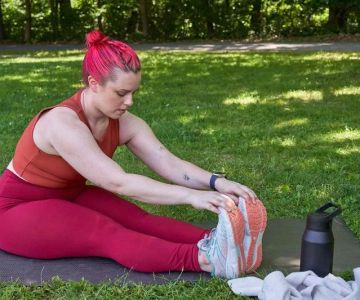
Key recovery strategies include getting enough sleep, stretching, using foam rollers, and staying hydrated. Active recovery, such as light walking or yoga, can also help improve circulation and promote faster muscle recovery.
4. Nutrition: Fueling Your Training for Success
Nutrition plays a pivotal role in maximizing the benefits of your training. Studies confirm that consuming the right balance of macronutrients—proteins, carbohydrates, and fats—supports muscle repair, energy levels, and overall performance.
Protein intake is particularly crucial for muscle growth and recovery. Research indicates that consuming protein post-workout helps stimulate muscle protein synthesis, leading to better recovery. Additionally, carbohydrates are essential to refuel glycogen stores depleted during exercise, ensuring you have the energy for your next workout.
5. Tracking Your Progress and Adjusting Your Routine
Tracking your progress allows you to assess how well your training plan is working and where adjustments might be needed. Whether it’s monitoring your strength, endurance, or body composition, tracking your data helps you identify patterns and areas for improvement.
Tools like fitness apps, heart rate monitors, and body measurement trackers can help you stay on top of your goals. Adjusting your training plan as you progress ensures you continue to challenge your body and make strides toward your fitness objectives.





 J & D Fitness4.0 (15 reviews)
 FYSIQ4.0 (12 reviews)
 The Pilates Cave5.0 (18 reviews)
 Foundations Pilates and Physical Therapy5.0 (5 reviews)
 Iron Mecca5.0 (14 reviews)
 Warrior Fitness0.0 (0 reviews)
 10 Common Pilates Mistakes and How to Avoid Them
 Why Nutrition Is the Secret to Your Success: Unlock Your Full Potential
 How to Incorporate Pilates Into Your Day: Tips for Success
 How to Plan Weekly Training When Life Gets Unpredictable This Fall
 How to Use Smartwatch Training Load to Plan Speed Work and Recovery Runs
 How to Use Short, Controlled Tempo Runs to Improve Pace Consistency on Race Day