
- Understanding-Smartwatch-Training-Load
- How-Training-Load-Helps-Optimize-Performance
- Interpreting-Data-to-Choose-Speed-vs-Recovery
- Real-World-Examples-from-Athletes
- Balancing-Hard-Efforts-and-Rest-Days
- Using-Heart-Rate-and-HRV-with-Training-Load
- Customizing-Your-Plan-with-Hot-Fitness
1. Understanding Smartwatch Training Load
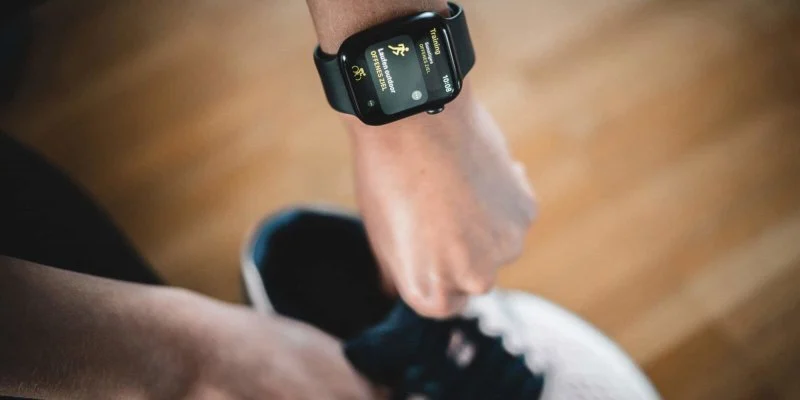
Modern smartwatches have evolved far beyond simple step counters—they’ve become powerful training tools. One of their most valuable features is the training load metric, which measures the cumulative stress your workouts place on your body over time.
In simple terms, your training load reflects how hard you’ve been training. It takes into account your heart rate, intensity, and duration to calculate the physical toll of each workout. Understanding how to use smartwatch training load to decide when to do speed work vs easy recovery runs can help you strike the perfect balance between pushing limits and preventing burnout.

Blink Fitness Clifton / blink clifton
CliftonPassaic CountyNew Jersey
1006 US-46, Clifton, NJ 07013, USA
2. How Training Load Helps Optimize Performance
2.1 The Science Behind Load Balance
Training load data helps ensure that your workouts stay within an optimal range—challenging enough to trigger fitness gains but not so demanding that you risk injury. Most smartwatches, like Garmin or Polar, calculate this balance by combining your recent exercise intensity with your recovery trends.

2.2 Avoiding Overtraining and Undertraining
Too much high-intensity training without recovery can lead to fatigue, decreased performance, or even illness. On the other hand, training too lightly won’t build endurance or speed. By monitoring your load, you can spot when you’re drifting toward either extreme and adjust accordingly.
2.3 The Adaptive Nature of Training Load
As your fitness improves, your ideal load range evolves. What feels “hard” today may become your warm-up next month. Smartwatches help track this progression so you can continue improving without plateauing.
3. Interpreting Data to Choose Speed vs Recovery
3.1 When to Schedule Speed Work
If your smartwatch indicates your training load is in the optimal or lower range, it’s a good time to introduce speed work—such as interval training, tempo runs, or hill sprints. These sessions improve aerobic efficiency and muscular endurance.
3.2 When to Prioritize Easy Recovery Runs
When your load trends toward “high” or “very high,” it signals your body needs recovery. Instead of pushing through fatigue, schedule an easy run or rest day. Recovery runs improve blood flow, clear lactate buildup, and reduce injury risk while still maintaining consistency.
3.3 Reading Long-Term Load Trends
Smartwatches track training load over days, weeks, and months. Look for patterns: steady increases followed by small dips indicate healthy adaptation, while sharp spikes suggest overexertion. Learning to interpret these trends is key to building sustainable fitness.
4. Real-World Examples from Athletes
Elite runners and triathletes increasingly rely on smartwatch data to fine-tune their training cycles. For example, marathon runner Kevin O’Donnell noticed recurring fatigue before long runs. By studying his Garmin’s load metrics, he realized his “easy days” were too intense. Adjusting his pace based on smartwatch feedback helped him shave six minutes off his next marathon time.
Similarly, amateur athlete Sarah Chen used her Polar watch to monitor her recovery score. She discovered that after two consecutive high-intensity days, her load score spiked into the “overreaching” zone. Incorporating an active recovery run restored balance and improved her energy for future speed sessions.
5. Balancing Hard Efforts and Rest Days
5.1 Listen to Both Data and Your Body
While smartwatch metrics are powerful, they should complement—not replace—how you feel physically. If your data shows readiness but your legs feel heavy, opt for recovery. Conversely, if your load is low and you feel strong, it might be time for speed work.
5.2 Structuring Your Weekly Routine
A well-balanced week might include two intense sessions (intervals or tempo runs), two recovery runs, and one long endurance run. Smartwatch load feedback helps you adapt this mix dynamically, ensuring that each session serves a purpose.
5.3 Avoiding the “All or Nothing” Trap
Consistency matters more than perfection. Even light workouts contribute to fitness gains when guided by your training load. Small adjustments based on smartwatch insights can compound into major performance improvements over time.
6. Using Heart Rate and HRV with Training Load
Your training load becomes even more accurate when paired with heart rate variability (HRV) data. HRV measures how your heart adapts to stress and recovery. Low HRV often means your body is fatigued, while higher HRV signals readiness for harder sessions.
When both training load and HRV indicate recovery, it’s the perfect window for speed work. If either metric shows fatigue, back off with low-intensity training. This integration allows for precision scheduling—like having a personal coach on your wrist.
7. Customizing Your Plan with Hot Fitness
At Hot Fitness, we believe the future of training lies in data-driven decisions. Whether you’re preparing for your first 10K or chasing a new marathon PR, understanding how to use smartwatch training load to decide when to do speed work vs easy recovery runs can help you train smarter, not harder.
Our platform connects you with expert-reviewed fitness plans, gear recommendations, and smartwatch-compatible accessories to help you stay balanced and motivated. Let Hot Fitness guide you in building a personalized, sustainable training strategy that maximizes performance while keeping you injury-free.





 World Class Training Academy5.0 (11 reviews)
 Brace Point Pilates5.0 (1 reviews)
 The Pilates Movement5.0 (1 reviews)
 NYU Brooklyn Athletic Facility3.0 (25 reviews)
 Club Pilates4.0 (215 reviews)
 Club Pilates4.0 (285 reviews)
 Best Apps to Track Your Gym Progress: Top Picks for Fitness Enthusiasts
 Beginner’s Guide to Gym: Starting Your Fitness Journey Right | Hot Fitness
 The Best Methods to Combine Strength, Mobility, and Cardio Into a Single 45-Minute Session
 How Cardio Can Transform Your Body: Benefits and Tips
 The Best Cardio for Busy People: Efficient Workouts for Your Schedule
 Best Foods to Eat Before and After Muscle Gain for Maximum Results