

- 1- Why Resilience is Key to Injury Prevention
- 2- Essential Strategies for Injury-Free Fall Training
- 3- How to Incorporate Recovery into Your Training
- 4- Real-Life Case Study: Building Resilience for Injury-Free Training
- 5- Why Choose Hot Fitness for Injury Prevention and Resilience Training
1. Why Resilience is Key to Injury Prevention
Building resilience is essential for maintaining a healthy, injury-free training regimen. When we talk about resilience, we’re referring to the ability of your body to withstand the physical demands placed on it, recover effectively, and continue to perform at a high level. This is particularly important during the fall training season when the combination of changing weather, increased intensity, and higher weekly mileage can increase the risk of injuries. Developing resilience ensures that your body adapts to these demands safely, helping to prevent common injuries like strains, sprains, and overuse injuries.

2. Essential Strategies for Injury-Free Fall Training
To stay injury-free during your fall training, it’s important to incorporate several strategies that support both physical and mental resilience. Below are some key practices that will help you prevent injuries while still challenging your body during this season:

Gymnastic Spectrum / gymnastics danbury ct
DanburyWestern Connecticut Planning RegionConnecticut
69 Kenosia Ave 2nd FL, Danbury, CT 06810, USA
2.1 Gradual Progression of Mileage
One of the main reasons runners and athletes get injured is because they increase their training intensity or mileage too quickly. To build resilience, it's essential to gradually progress your weekly mileage. Following the "10% rule," which suggests increasing your weekly mileage by no more than 10% from the previous week, is a smart approach. This allows your body to adapt to the increased stress without overloading your muscles and joints.
2.2 Cross-Training for Balanced Strength
Cross-training is another effective way to build resilience. By incorporating activities like cycling, swimming, or strength training, you can target different muscle groups and improve overall body strength. Cross-training allows you to continue working out while reducing the repetitive impact that running or other high-impact activities may have on your joints. This balanced approach reduces the likelihood of overuse injuries.
2.3 Focus on Mobility and Flexibility
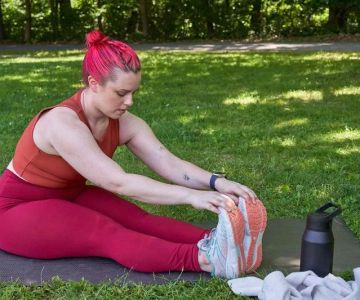
Incorporating mobility and flexibility work into your routine can significantly reduce the risk of injury. Stretching and mobility exercises help maintain joint health, muscle flexibility, and range of motion, which is critical during fall training when the body may become stiffer due to cooler temperatures. Focus on areas that tend to get tight, such as the hips, calves, and hamstrings, to improve your overall movement efficiency and reduce tension that could lead to strains.
3. How to Incorporate Recovery into Your Training
Recovery is just as important as the training itself when it comes to preventing injuries. Many athletes overlook the importance of proper recovery and rest days, which can lead to burnout and overuse injuries. Here are some effective ways to integrate recovery into your fall training program:
3.1 Active Recovery Days
Instead of taking complete rest days, consider active recovery. This could include activities such as light jogging, yoga, or a gentle bike ride. These activities help promote blood flow, ease muscle stiffness, and prevent the feeling of being “stiff” the day after an intense workout. Active recovery days allow you to stay active without putting unnecessary strain on your body.
3.2 Proper Nutrition and Hydration
What you eat and how well you hydrate play a huge role in injury prevention. Proper nutrition supports muscle recovery, helps to replenish glycogen stores, and reduces inflammation. Be sure to focus on a balanced diet that includes plenty of protein, healthy fats, and complex carbohydrates. Hydration is equally important, as dehydration can lead to muscle cramps and fatigue, increasing the risk of injury.
3.3 Sleep and Stress Management
Sleep is one of the most crucial aspects of recovery. During sleep, your body repairs and rebuilds muscle tissue. Aim for at least 7-9 hours of quality sleep per night to optimize your recovery process. Additionally, managing stress through techniques like mindfulness, meditation, or deep breathing can help lower your cortisol levels and prevent the negative effects of chronic stress on your body, which can lead to injury.
4. Real-Life Case Study: Building Resilience for Injury-Free Training
Let’s take a look at how resilience training helped Emily, a 32-year-old marathon runner, stay injury-free during her fall training block. Emily had a history of Achilles tendonitis and was concerned about increasing her mileage for her upcoming marathon. She worked with her coach to incorporate gradual mileage increases, cross-training with cycling and swimming, and focused on strengthening her calves and hamstrings through resistance exercises. Additionally, Emily incorporated yoga sessions for flexibility and mobility. As a result, she completed her training without injuries and achieved her personal best time in the marathon.
5. Why Choose Hot Fitness for Injury Prevention and Resilience Training
At Hot Fitness, we understand that staying injury-free during training is a key factor for achieving long-term success. Our programs are designed to help athletes build resilience through a balanced approach that combines strength training, mobility work, and proper recovery strategies. Whether you’re training for a race or simply aiming to improve your fitness, we can help you incorporate injury prevention techniques into your routine. Visit us today to get started on building a stronger, injury-free you!





 GIT DIS WERK STUDIO4.0 (24 reviews)
 Pilates and Fitness by Glenda5.0 (1 reviews)
 Flex Yoga Buffalo5.0 (17 reviews)
 Anytime Fitness4.0 (40 reviews)
 Flex Fitness OC4.0 (429 reviews)
 stress less with jess5.0 (2 reviews)
 How to Use Recovery Nights (Sleep, Nutrition, Mobility) to Accelerate Autumn Training Gains
 The Best Strength and Conditioning Drills to Prepare for Fall Team Sports Seasons
 How to Incorporate Weight Loss Into Your Day
 How to Build Resilience: Strategies for Staying Injury-Free Through Fall Training
 Best Foods to Eat Before and After HIIT: A Complete Nutrition Guide
 Best Strength Exercises for Better Running Economy & Lower Effort This Fall