

- 1- Understanding Running Form and Its Importance
- 2- Common Running Form Mistakes to Avoid
- 3- Building a Strong Base for Better Running Form
- 4- Strength Exercises to Improve Running Form
- 5- Effective Running Drills to Perfect Your Form
- 6- Real-Life Examples and Success Stories
1. Understanding Running Form and Its Importance
Running form is more than just how you move your legs; it encompasses the alignment of your body, your posture, and the efficiency of each stride. A well-executed running form not only makes you faster but also helps prevent injuries, reduces fatigue, and improves overall performance. Whether you are a beginner or a seasoned runner, mastering good running form is key to your success.
Good running form allows you to maintain proper posture, use your energy efficiently, and minimize unnecessary stress on your joints and muscles. In this article, we will explore how you can build better running form step-by-step through strength exercises and running drills.
Anytime Fitness / anytime fitness williamsburg
WilliamsburgJames City CountyVirginia
5251 John Tyler Hwy, Williamsburg, VA 23185, USA
2. Common Running Form Mistakes to Avoid
Many runners unknowingly fall into bad habits that negatively affect their form. Addressing these common mistakes is the first step toward improving your running technique:

Posture Issues
One of the most common mistakes is poor posture. Runners often lean forward too much or arch their backs excessively. This can lead to back and neck pain, as well as decreased running efficiency.
Overstriding
Overstriding occurs when your foot lands too far in front of your body. This can cause impact-related injuries and inefficient energy use. Aim to keep your stride under your body for better control and less impact.
Arm Swing Problems
Running with stiff or excessive arm movement can cause tension and waste energy. Your arms should swing naturally in coordination with your legs, staying close to your body to maintain balance and reduce fatigue.
3. Building a Strong Base for Better Running Form
Before diving into specific exercises or drills, it’s essential to build a strong foundation of core strength and flexibility. Having a strong core not only supports your posture while running but also helps you maintain balance and prevent injury.
Core Strength
A strong core is crucial for maintaining stability and proper alignment. Incorporating exercises like planks, dead bugs, and leg raises into your routine will help build the necessary strength in your abdominals and lower back muscles.
Flexibility
Incorporating stretching and mobility work into your routine can greatly improve your running form. Focus on stretching your hip flexors, hamstrings, and calves to maintain flexibility and reduce muscle tightness.
4. Strength Exercises to Improve Running Form
Strengthening the muscles that are crucial for running will help improve your form and efficiency. Here are some key strength exercises to include in your training:
Squats
Squats are excellent for building strength in your glutes, quads, and hamstrings—all essential muscles for running. Strong legs help propel you forward and maintain good form while running.
Lunges
Lunges are another great exercise that targets your legs, hips, and core. They help improve your balance and stability, which are essential for maintaining proper form during each stride.
Bridges
Glute bridges specifically target the glutes, which are essential for proper hip alignment and powerful running strides. Strong glutes can also help alleviate lower back pain caused by poor running form.
5. Effective Running Drills to Perfect Your Form
Once you have built a solid base of strength, it's time to incorporate running-specific drills to further improve your form. These drills are designed to enhance your stride mechanics and overall efficiency:
A-Skip Drill
The A-Skip drill focuses on improving your knee drive and foot placement. It encourages a higher knee lift while maintaining a short and quick stride. This drill helps with improving stride frequency and reduces overstriding.
Strides
Strides involve running at a slightly faster pace for short distances (about 60-100 meters). This drill helps you develop better running posture, form, and leg turnover, which contributes to a smoother and more efficient stride.
High Knees
High knee drills help strengthen your hip flexors and improve your cadence. By lifting your knees higher, you enhance your stride mechanics, which results in better propulsion and a more fluid running motion.
6. Real-Life Examples and Success Stories
Many runners have successfully improved their form and running performance by following strength-building exercises and running drills. For example, Emily, a marathon runner, struggled with knee pain due to poor posture and overstriding. By incorporating strength exercises such as squats and lunges into her routine, along with drills like high knees and strides, Emily was able to correct her form and significantly reduce her knee pain during runs.
Similarly, John, a competitive 5k runner, found that strengthening his core and improving his flexibility through dynamic stretching helped him maintain better posture and boost his running efficiency. By focusing on drills to refine his running mechanics, John shaved several seconds off his race times and reduced his risk of injury.
These success stories show that with the right combination of strength training and running drills, any runner can improve their form and enhance their performance. If you're ready to take your running form to the next level, consider exploring further resources on Hot Fitness, where you can find the best products and services tailored to your training goals.



 JCFit Downtown4.0 (112 reviews)
 Fit Happens4.0 (55 reviews)
 Planet Fitness4.0 (263 reviews)
 Movement With Purpose5.0 (2 reviews)
 Planet Fitness4.0 (1244 reviews)
 Horn Companies Court3.0 (14 reviews)
 How to Build Explosive Strength With Minimal Equipment: Jumps, Bands, and Isometrics
 Trail Running Essentials: Shoes, Gear and Strength Prep for Rugged Fall Courses
 How to Build a 6-Week Speed Block That Builds Confidence and PR Potential for Autumn 5Ks
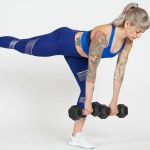 The Best Strength Progressions to Increase Single-Leg Strength and Reduce Asymmetries This Autumn
 How to Program Strength and Mobility to Fix Chronic Runner Pain Patterns Over 8 Weeks
 How to Periodize Your Strength and Running Work for Consistent Off-Season Progress