

How to Build a Sustainable Routine That Keeps Strength, Speed, and Recovery in Balance Through Fall
- Understanding the Importance of Balance
- Tailoring Your Routine for Fall
- Building Strength and Speed Safely
- Prioritizing Recovery in Fall
- Nutrition and Other Considerations for Your Routine
- Sample Sustainable Routine for Strength, Speed, and Recovery
1. Understanding the Importance of Balance
As the season transitions into fall, it’s essential to understand the importance of balance in your fitness routine. A sustainable routine should focus on strength, speed, and recovery while considering the changes that fall brings to your body and environment. Fall is a time when cooler weather and shorter days can affect your motivation, energy levels, and outdoor training options. Building a routine that supports your long-term fitness goals—while preventing injury and burnout—is key to staying consistent and making progress.
Whether you're an athlete looking to improve performance or someone focused on overall health, a well-rounded approach to fitness will help maintain strength, build speed, and optimize recovery. By balancing these components, you will create a sustainable workout plan that adjusts to the rhythm of the fall season and sets you up for success through the colder months.

Club Pilates / pilates of pittsford
6687 Pittsford Palmyra Rd, Fairport, NY 14450, USA
2. Tailoring Your Routine for Fall
Fall brings with it unique weather patterns and a shift in daily schedules. As you adjust your routine for the cooler months, consider these factors:

Yogamaya / yogamaya ny
New YorkNew York CountyNew York
151 W 19th St 3rd floor, New York, NY 10011, USA
2.1 Adjusting for Shorter Days
With daylight hours decreasing, many people struggle to find time to work out after work or school. One solution is to shift your workouts to earlier in the day to make use of the remaining daylight or use indoor facilities. If you prefer outdoor activities like running or cycling, consider planning your workouts around the daylight hours to maintain a consistent exercise schedule.
2.2 Layering for Comfort
The crisp fall air means you’ll need to layer appropriately for outdoor workouts. Choose moisture-wicking fabrics to stay dry, and make sure you’re comfortable during your strength and speed sessions. Layering also provides flexibility in adjusting to fluctuating temperatures, ensuring you can stay cool during high-intensity moments while staying warm in the rest periods.
3. Building Strength and Speed Safely
Strength and speed are essential elements of any fitness routine, but as fall approaches, your body may need extra attention to stay healthy. Here's how to build strength and speed without overtraining:
3.1 Focus on Functional Strength
Building functional strength is key to improving performance and avoiding injuries. Incorporate exercises like squats, lunges, and deadlifts to enhance your body’s stability and strength, especially as you start transitioning to more indoor workouts. Focus on proper form and technique to avoid straining muscles, especially as you increase intensity or try new exercises.
3.2 Speed and Agility Drills
Incorporate speed and agility drills that mimic natural movements. Sprint intervals, ladder drills, and cone drills are excellent for improving quickness, coordination, and overall speed. During the fall season, when you might have more access to gym equipment, try mixing in treadmill sprints or cycling intervals to increase your cardiovascular fitness while maintaining speed development.
4. Prioritizing Recovery in Fall
As your workouts intensify, recovery becomes more important than ever. The cooler weather can also bring on muscle stiffness, which makes it essential to build recovery into your routine:
4.1 Stretching and Mobility Work
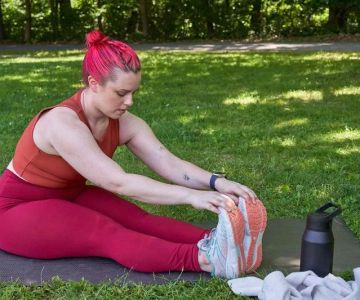
Stretching and mobility exercises are crucial for maintaining flexibility and preventing injury as you increase the intensity of your strength and speed sessions. Consider adding dynamic stretches before your workouts and static stretching afterward. Yoga is also an excellent way to improve flexibility, reduce muscle tension, and enhance your body’s ability to recover.
4.2 Active Recovery Days
Schedule at least one or two active recovery days each week to allow your body to repair and regenerate. Activities like swimming, light cycling, or walking promote blood flow without overloading the muscles. Active recovery will keep your body feeling fresh while allowing you to recover from more intense sessions.
5. Nutrition and Other Considerations for Your Routine
Proper nutrition is vital to support your fitness routine, especially when aiming to balance strength, speed, and recovery. Fall is the perfect time to adjust your diet to support your seasonal goals:
5.1 Fueling for Performance
During the fall months, focus on providing your body with the right macronutrients to fuel strength and speed workouts. Carbohydrates for energy, protein for muscle repair, and healthy fats for overall health should be prioritized. Seasonal foods like squash, sweet potatoes, and apples provide nutrients that complement your training goals.
5.2 Hydration and Seasonal Adaptations
Although it may be cooler, hydration remains just as important. Don’t skip water, especially after tough workouts. In the fall, try adding herbal teas like ginger or turmeric for anti-inflammatory benefits that can help with muscle recovery. Additionally, consider boosting your immune system with vitamin-rich foods as the colder weather brings flu season.
6. Sample Sustainable Routine for Strength, Speed, and Recovery
Here’s a sample weekly routine designed to balance strength, speed, and recovery while adjusting for the fall season:
6.1 Monday: Full-Body Strength
Focus on compound movements like squats, deadlifts, and bench presses. Finish with mobility exercises and stretching to improve flexibility.
6.2 Tuesday: Speed and Agility
Incorporate ladder drills, sprints, and interval training. Take time for a light cool-down and recovery stretching.
6.3 Wednesday: Active Recovery
Go for a light walk or swim to help your muscles recover from the previous sessions. Stretch thoroughly afterward.
6.4 Thursday: Lower Body Strength
Focus on lower body exercises like lunges, Bulgarian split squats, and calf raises. Ensure proper rest between sets to maintain intensity.
6.5 Friday: Endurance Speed Work
Finish the week with endurance sprints or cycling intervals to increase stamina. Focus on hydration and nutrition afterward to aid recovery.
6.6 Saturday: Rest or Yoga
Dedicate this day to complete rest or a gentle yoga session to unwind and release any tension accumulated throughout the week.
By following this balanced routine, you’ll ensure that strength, speed, and recovery are in harmony throughout the fall season, keeping you on track to meet your fitness goals. If you're looking for expert guidance or products to enhance your routine, visit Hot Fitness to find the best equipment, apparel, and tips to support your journey.





 Aero-Fitness Health Center4.0 (14 reviews)
 Onelife Fitness - Fairfax3.0 (305 reviews)
 LA Fitness4.0 (641 reviews)
 Yoga and Melody5.0 (18 reviews)
 FrontSight Fitness5.0 (22 reviews)
 Sthira Sukham Yoga5.0 (10 reviews)
 How to Safely Use Short Hill Repeats and Strength Circuits for Leg Power This Autumn
 How to Integrate Yoga for Flexibility and Recovery Without Losing Performance Gains
 Beginner’s Guide to Gym: How to Get Started and Succeed in Your Fitness Journey
 Why Everyone Should Try CrossFit: Discover Its Benefits and Impact
 The Best Strength Exercises to Protect Your Knees and Keep You Running Pain-Free This Season
 How to Use Progressive Conditioning Blocks to Prepare for a Multi-Sport Fall Event