
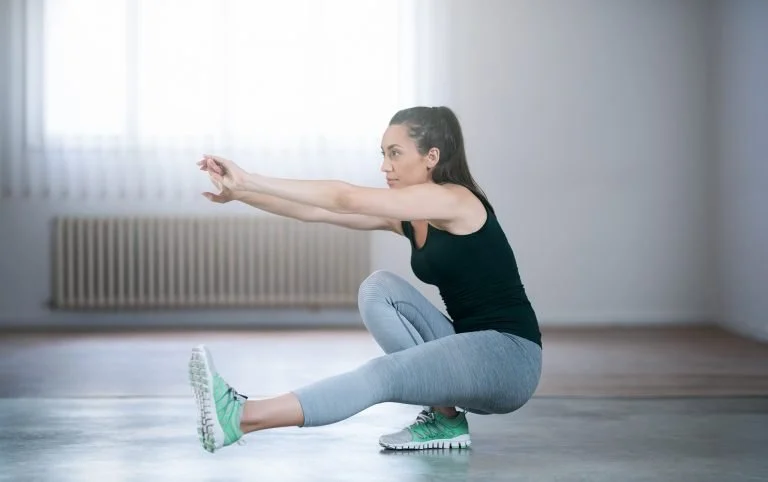
- 1. Introduction: Why Knee Health Matters for Runners
- 2. Preparation Before You Start Strength Training
- 3. Essential Strength Exercises for Knee Protection
- 4. Tips for Ensuring Proper Form and Technique
- 5. How to Avoid Common Running Injuries
- 6. Conclusion and Final Thoughts
1. Introduction: Why Knee Health Matters for Runners
As a runner, taking care of your knees is essential for a pain-free and long-lasting running career. The knees are one of the most heavily stressed joints in the body, particularly when you’re running. Whether you’re training for a marathon or just enjoying your daily jog, your knees absorb a lot of impact, which can lead to discomfort and injury if not properly protected.
In this article, we’ll explore the best strength exercises to keep your knees healthy and help you run without pain. By incorporating these exercises into your routine, you’ll not only protect your knees from injury but also improve your overall running performance.

2. Preparation Before You Start Strength Training
Before diving into strength exercises, it’s important to prepare your body for the workout. Here are a few key steps to follow:
- Warm Up Properly: Warming up is essential to get your muscles ready for exercise and to prevent injury. Spend 5-10 minutes doing light cardio, such as brisk walking or cycling, to increase your heart rate.
- Stretch and Mobilize: Dynamic stretches are perfect for preparing your muscles and joints. Focus on stretches for your hips, quads, hamstrings, and calves to ensure your legs are flexible and ready to move.
- Check Your Form: Proper form is crucial when performing strength exercises for knee protection. Poor form can lead to strain or injury, so pay attention to your alignment during each movement.
3. Essential Strength Exercises for Knee Protection
Now, let’s dive into the best strength exercises you can do to protect your knees and keep them strong for running:
- Squats: Squats are one of the best exercises for building strength in your quadriceps, hamstrings, and glutes, all of which support the knee joint. Perform bodyweight squats to start, ensuring your knees are aligned with your toes and don’t go past them.
- Lunges: Lunges work your legs and glutes while also helping to stabilize the knees. Perform forward lunges and reverse lunges, focusing on keeping your knee at a 90-degree angle during each movement.
- Leg Press: Using a leg press machine helps build strength in your quadriceps and hamstrings without putting too much stress on your knees. Start with light weight and gradually increase as your strength improves.
- Step-Ups: Step-ups target your quads, glutes, and hamstrings. Use a low bench or step, and step up one leg at a time, ensuring your knee doesn’t extend past your toes.
- Bridge Exercise: The bridge exercise targets your glutes and hamstrings, which are vital for knee stability. Lie on your back with your knees bent, feet flat on the floor, and lift your hips toward the ceiling, squeezing your glutes as you rise.
4. Tips for Ensuring Proper Form and Technique
While performing these exercises, it’s crucial to maintain proper form to avoid injury. Here are a few tips to keep in mind:
- Control the Movement: Avoid rushing through exercises. Control your movements, especially during the lowering phase, to maximize muscle engagement and protect your joints.
- Engage Your Core: Keep your core engaged throughout the exercises. This helps stabilize your body and reduces the strain on your knees.
- Don’t Overexert Yourself: Start with a lower weight or fewer repetitions, and gradually build up as your muscles get stronger. Overexerting yourself can lead to injuries, especially if your muscles aren’t prepared.
5. How to Avoid Common Running Injuries
Strength training alone isn’t enough to avoid knee injuries while running. You need to complement your workouts with proper running habits:
- Focus on Running Form: Proper running form is crucial for knee health. Keep your posture upright, land mid-foot (not on your heels or toes), and ensure your knees stay in line with your hips and feet.
- Use Proper Footwear: Choose running shoes that provide adequate support and cushioning. Proper footwear can absorb impact and reduce the strain on your knees.
- Cross-Train: Mix up your workout routine to avoid overusing the same muscles. Incorporate low-impact activities like swimming or cycling to give your knees a break while still improving overall fitness.
- Don’t Overtrain: Give your body time to rest and recover. Overtraining can lead to muscle imbalances and increase the risk of injury.
6. Conclusion and Final Thoughts
Taking care of your knees is essential for running pain-free this season. By incorporating strength exercises into your routine, such as squats, lunges, and step-ups, you’ll build the necessary muscle strength to support your knees and prevent injuries. Remember, proper form, consistent training, and a focus on recovery will keep you running at your best.
Looking for more tips and products to help with your fitness goals? Visit Hot Fitness for top-rated exercise equipment and resources to keep you injury-free and at peak performance.




 Middle River Yoga at the rotary in Stafford, CT5.0 (27 reviews)
 Black River Judo Club Fuquay-Varina5.0 (3 reviews)
 The Summit Tennis and Athletic Club4.0 (268 reviews)
 Joyful Yoga with Angie0.0 (0 reviews)
 LIM Yoga (NOW Equal Standing Yoga)5.0 (9 reviews)
 BattleGrounds Fitness5.0 (62 reviews)
 The Best Strength Moves to Build Grip and Carry Strength for Obstacle Racing
 How to Build a Fall Prehab Routine That Prevents Running and Lifting Injuries
 Science-Backed Tips for Improving Your Fitness: Expert Advice for Better Health
 How to Use Tempo Blocks to Improve Sustainable Race Pace Over 6–8 Weeks This Autumn
 How to Incorporate Yoga Into Your Day
 The Ultimate Guide to the Benefits of Daily Exercise