Gym Equipment Etiquette: Share Racks and Machines Smoothly
On this page
- Quick answer
- Check before starting
- Ask to work in clearly
- Use rest periods without blocking equipment
- Clean and reset the station
- Handle racks, benches, and platforms well
- Adapt circuits during busy hours
- Resolve confusion calmly
- Shared-equipment checklist
- Frequently asked questions
- Sources and evidence notes
- Conclusion and next steps
Quick answer
Follow the gym’s posted rules, ask whether equipment is in use, keep belongings out of the way, and limit a station to the exercises you are actively performing. During rest periods, let another member work in when the setup can be changed safely. Wipe contact surfaces with the facility’s supplies, return attachments and weights, and leave the station ready for the next person. Ask staff to resolve unclear rules or persistent conflicts.
This guide is for US gym members sharing general fitness equipment. Facility policies, class reservations, accessibility needs, coaching sessions, and safety restrictions may require a different approach. Posted rules and staff directions take priority.
Die Trying Training Facility Tempe / die trying gym
1828 E University Dr #1, Tempe, AZ 85288, USA
Check before starting
A station can look empty while someone is changing a weight, getting water, or retrieving an attachment. Look for a towel, bottle, phone, loaded bar, or nearby member, then ask, “Are you using this?” Avoid moving another person’s belongings or unloading a bar without permission.
Place your own bag in a locker or approved storage area. Keep the walking path, emergency access, mirrors used for form checks, and the space around moving equipment clear. If you need an accessible route or more setup time, ask staff what accommodations and equipment-use rules apply.

Rumble / rumble boxing upper east side
New YorkNew York CountyNew York
1495 3rd Ave, New York, NY 10028, USA
Ask to work in clearly
Working in means alternating sets on the same station while each person rests. It is often practical on a pin-loaded machine because the resistance and seat can be changed quickly. It may be less practical when users have very different barbell loads, bench positions, safety settings, or exercise sequences.
Ask before changing anything: “May I work in, and what settings are you using?” Agree on the order, weight, seat position, attachments, and number of remaining sets. Restore the other member’s setup accurately. It is reasonable to decline when rapid changes could be unsafe, when a coach is supervising a timed session, or when the facility restricts shared use.
Use rest periods without blocking equipment
Rest is part of training, but a station should not become a desk. Keep phone use brief, stay aware of waiting members, and avoid long conversations while occupying a machine. If you need extended recovery, consider stepping away when doing so will not lose or disrupt a complicated setup.
Give an honest answer when someone asks how many sets remain. “Two working sets, about five minutes” is more useful than “almost done.” Do not pressure another member to shorten a medically necessary rest period or rush a heavy lift. Ask staff about time limits during peak hours rather than inventing one.
Clean and reset the station
Use the cleaning product, wipes, and instructions supplied by the facility. Wipe the surfaces your hands, head, back, or body contacted, without spraying liquid directly into electronics or mechanical openings. Let staff know when supplies are empty or equipment has bodily fluid on it.
Return selector pins, handles, cable attachments, resistance bands, mats, and movable benches to their designated places. Re-rack plates by size if the gym labels storage pegs. Do not leave a heavily loaded bar for the next person unless they explicitly agree to use that exact load.
Handle racks, benches, and platforms well
- Use a squat rack for movements that benefit from its safety features, especially when others are waiting.
- Keep plates and collars inside the station rather than across a walkway.
- Set safety arms deliberately and do not change another lifter’s setup mid-set.
- Do not stand close to a moving bar, enter a lifting platform, or distract someone during a set.
- Ask before sharing a rack; different heights and loads can make switching slow.
- Follow rules on chalk, dropping weights, barefoot lifting, and deadlift platforms.
Report a loose bench, damaged cable, unstable rack, missing fastener, or other suspected fault to staff and stop using it. A courtesy reset is never a reason to handle equipment you cannot control safely.
Adapt circuits during busy hours
A circuit that occupies several machines can work in a quiet room but frustrate members during a rush. Choose adjacent stations, use portable equipment in an approved area, or substitute movements that let you keep one station. Do not reserve equipment with towels or bottles while exercising elsewhere.
If the program depends on exact timing, ask whether the gym has a circuit zone or schedule the workout during a less crowded period. A simple backup plan—one machine, one dumbbell pair, and one open-floor movement—can preserve the training goal without controlling multiple stations.
Resolve confusion calmly
Start with a neutral question rather than an accusation: “Are you still using this bench?” or “Would you like me to restore the seat to position four?” Misunderstandings often come from unclear signals, different routines, or unfamiliar facility rules.
Do not touch another person, stand in the path of a lift, threaten, film, or post about the conflict. Step away and ask an employee to explain the rule. Contact emergency services for an immediate threat, and follow the facility’s reporting process for harassment or repeated unsafe behavior.
Shared-equipment checklist
- Read posted equipment and cleaning rules.
- Ask whether an apparently empty station is in use.
- Store bags and personal items outside movement paths.
- State the number of sets and likely time remaining honestly.
- Offer to work in when setup changes are safe and practical.
- Keep rest-period phone use brief and remain aware of others.
- Wipe contact surfaces with approved supplies.
- Return weights, attachments, pins, and benches.
- Report damage or unresolved conflict to staff.
Frequently asked questions
Must I let another member work in?
Check the gym’s policy. Sharing is often courteous when adjustments are quick and safe, but it may not be suitable for complicated barbell setups, timed coaching, certain medical needs, or equipment with a reservation rule.
How long may I rest on a machine?
There is no universal limit. Use the rest your training requires, follow posted peak-hour rules, communicate with waiting members, and avoid unrelated phone use that extends occupancy.
Should I remove someone else’s plates?
Ask first if the person may still be using the station. If it appears abandoned, ask staff rather than moving a load that could be unsafe or disrupt another member’s workout.
What if someone refuses to follow the rules?
Do not escalate. Move away and let gym staff interpret and enforce the facility’s policy. Report immediate safety hazards as soon as possible.
Sources and evidence notes
This guidance is based on common fitness-facility practices: communicate before altering a station, keep circulation paths clear, use supplied cleaning materials, reset shared equipment, and involve staff when a rule or safety issue is unclear. Exact time limits, cleaning methods, reservations, sound rules, and permitted exercises differ by facility, so members should verify the posted policy rather than treating etiquette as a universal regulation.
Conclusion and next steps
Good equipment etiquette makes expectations visible: ask, explain, share when practical, clean, and reset. Before your next session, read the facility’s rules and prepare one backup exercise for every high-demand station. Clear communication and a flexible plan usually keep a busy workout moving; staff should handle disputed rules and unsafe behavior.
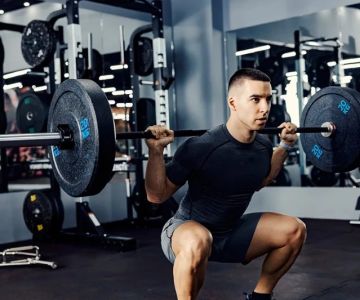


 F45 Training Reynoldstown4.0 (86 reviews)
 Training Bell Strength & Conditioning5.0 (7 reviews)
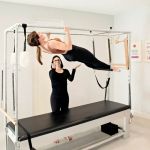 HeartCore Pilates5.0 (9 reviews)
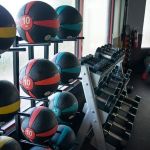 Orangetheory Fitness4.0 (145 reviews)
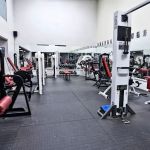 Perth Ultimate Fitness4.0 (28 reviews)
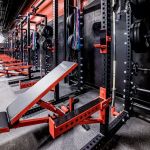 D1 Training Henderson4.0 (80 reviews)
 How to Increase Workout Results with Proper Form
 The Best HIIT for Busy People: Quick & Effective Workouts
 Advanced Techniques for Better Healthy Lifestyle Results
 Barbell Basics: Squat, Deadlift, and Press Technique for New Lifters This Fall
 Best Practices for Training Through a Busy Travel Schedule This Autumn
 Best Foods to Eat Before and After Exercise – Fuel Your Workout for Maximum Results