
- 1-Introduction to Barbell Training for Beginners
- 2-Squat Technique for New Lifters
- 3-Deadlift Technique for New Lifters
- 4-Press Technique for New Lifters
- 5-Common Mistakes to Avoid in Barbell Training
- 6-Concluding Thoughts on Barbell Training for Beginners
1. Introduction to Barbell Training for Beginners
Starting your fitness journey with barbell training can be intimidating, but it doesn’t have to be. The barbell squat, deadlift, and press are three of the most fundamental and effective exercises for building strength, improving muscle tone, and enhancing overall fitness. For new lifters, learning the correct form and technique is essential to maximize results and minimize the risk of injury.
This fall, why not take the opportunity to dive into these barbell basics? In this guide, we'll walk you through the proper techniques for squats, deadlifts, and presses, breaking down each movement step-by-step so that you can perform them safely and efficiently. Whether you're lifting for strength, muscle growth, or general fitness, mastering these exercises will provide you with a solid foundation for all your training goals.

New Haven Soul Sweat / soul haven studio
New HavenSouth Central Connecticut Planning RegionConnecticut
300 Crown St, New Haven, CT 06511, USA
2. Squat Technique for New Lifters
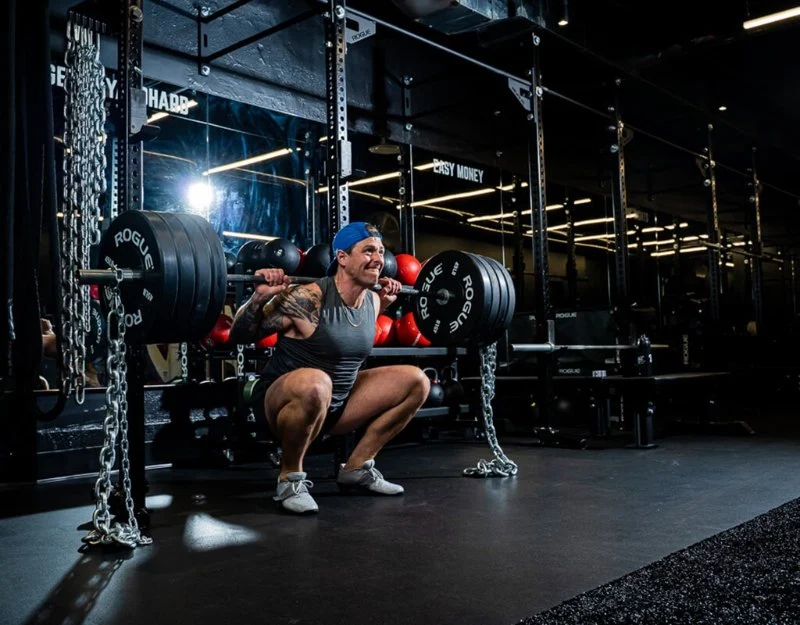
The squat is one of the most powerful exercises for strengthening the lower body, especially the quads, hamstrings, glutes, and core. It's essential for building a strong foundation in weightlifting, but it can also be challenging for beginners. Proper squat form ensures you're engaging the correct muscles while protecting your knees and lower back from strain.

Planet Fitness / planet fitness tonnelle
HanoverMorris CountyNew Jersey
235 Ridgedale Ave, Cedar Knolls, NJ 07927, USA
1. Set Your Feet
Start by standing with your feet shoulder-width apart. Point your toes slightly outward (about 15 degrees). This position ensures that your knees will track properly as you descend into the squat. Keep your weight evenly distributed across your feet, with most of it focused on the heels.
2. Brace Your Core
Before you begin the squat, take a deep breath and tighten your core muscles as if you were about to get punched in the stomach. This will stabilize your torso and help prevent excessive forward lean during the movement.
3. Lower Into the Squat
Begin by pushing your hips back as if you're sitting down in a chair. Bend your knees and lower your body while keeping your chest up and your back neutral. Go as low as you can while maintaining control, ideally aiming to bring your thighs parallel to the floor or deeper if flexibility allows.
4. Stand Back Up
To return to the standing position, push through your heels and drive your hips forward, straightening your legs. Make sure to keep your chest lifted and avoid rounding your back. It’s crucial to fully extend your hips at the top of the movement for maximum benefit.
3. Deadlift Technique for New Lifters
The deadlift is another powerful compound movement that works nearly every muscle in your body, particularly the posterior chain (hamstrings, glutes, lower back). Like the squat, it’s essential to learn the proper technique to prevent injury and achieve the best results.
1. Set Up the Barbell
Stand with your feet hip-width apart, with the barbell positioned directly over the middle of your feet. Your shins should be close to the bar (without touching it). Make sure your grip is just outside your knees. For your hands, you can choose either a double overhand grip or a mixed grip (one palm facing you, one palm facing away). The grip should be firm but not overly tight.
2. Brace Your Core and Hinge at the Hips
Before lifting, engage your core, tighten your lats, and pull your shoulders back. As you begin the lift, hinge at your hips, pushing your butt back while maintaining a straight back. Your chest should stay high, and your back should remain neutral, not rounded.
3. Lifting the Barbell
To lift the bar, drive through your heels, extend your hips, and pull the bar up along your legs. Keep the bar close to your body as it moves upward. Make sure to extend fully at the top of the lift by driving your hips forward, but avoid leaning back or overextending your lower back.
4. Lowering the Bar
To return the bar to the ground, push your hips back first, then bend your knees once the bar passes them. Lower the bar slowly and with control to avoid injury.
4. Press Technique for New Lifters
The overhead press, or military press, is a fantastic exercise for building upper body strength, targeting the shoulders, triceps, and upper chest. For beginners, mastering the press technique is key to lifting effectively and safely.
1. Set Your Feet and Grip
Start by standing with your feet shoulder-width apart. Grip the barbell just outside shoulder-width, with your palms facing forward. Your elbows should be slightly in front of the barbell, not flared out to the sides.
2. Brace Your Core and Set Your Shoulders
Engage your core and tighten your lats to create a strong base. Your chest should be up, and your shoulders should be pulled down and back. This position will help protect your shoulders during the press and allow for efficient movement.
3. Press the Barbell Overhead
Push the barbell overhead in a straight line, making sure to keep your elbows locked and your wrists stable. As the bar passes your face, tilt your head slightly back to allow the bar to travel overhead without obstruction. Fully extend your arms at the top and pause for a brief moment.
4. Lower the Barbell
To lower the bar, reverse the movement, bringing the barbell down in a controlled fashion until it returns to shoulder height. Be mindful of maintaining a neutral spine and core engagement throughout the entire movement.
5. Common Mistakes to Avoid in Barbell Training
When learning barbell exercises, beginners often make a few common mistakes that can compromise their form and lead to injury. Here are some mistakes to avoid:
1. Rounding the Back
Whether in squats, deadlifts, or presses, rounding the back during lifting can put excessive strain on the spine and lead to injury. Always maintain a neutral spine, especially in the deadlift and squat, by bracing your core and keeping your chest up.
2. Overextending the Knees
In the squat and deadlift, avoid letting your knees extend too far forward past your toes. This can put unnecessary stress on your knees. Focus on driving through the heels and keeping the knees in line with your toes.
3. Using Too Much Weight Too Soon
Many beginners make the mistake of trying to lift too much weight before mastering their form. Start with lighter weights and focus on perfecting your technique before progressively increasing the load.
6. Concluding Thoughts on Barbell Training for Beginners
Barbell training can be incredibly rewarding when done with proper form and technique. The squat, deadlift, and press are essential movements that build strength and muscle, and by mastering them, you’ll create a strong foundation for all your lifting endeavors. This fall, take the time to refine your technique and enjoy the process of getting stronger and more confident with every rep.
If you're looking for expert advice, quality barbells, or training gear, visit Hot Fitness for the best selection of products and services to help you achieve your fitness goals.




 Anytime Fitness4.0 (114 reviews)
 Regents Pool and Gym5.0 (1 reviews)
 Burn Boot Camp4.0 (187 reviews)
 Live Fit Gym • Hayes Valley4.0 (100 reviews)
 Prime Pilates0.0 (0 reviews)
 Top Flight Performance5.0 (14 reviews)
 How to Build a 10-Week Strength and Speed Plan for Fall Races | Hot Fitness
 How to Incorporate Weight Loss Into Your Day
 Science-Backed Tips for Improving Your Workout and Achieving Better Results
 The Ultimate Exercise Routine for Sustainable Fitness
 10 Common Fitness Mistakes to Avoid for Better Results
 The Ultimate Exercise Routine