
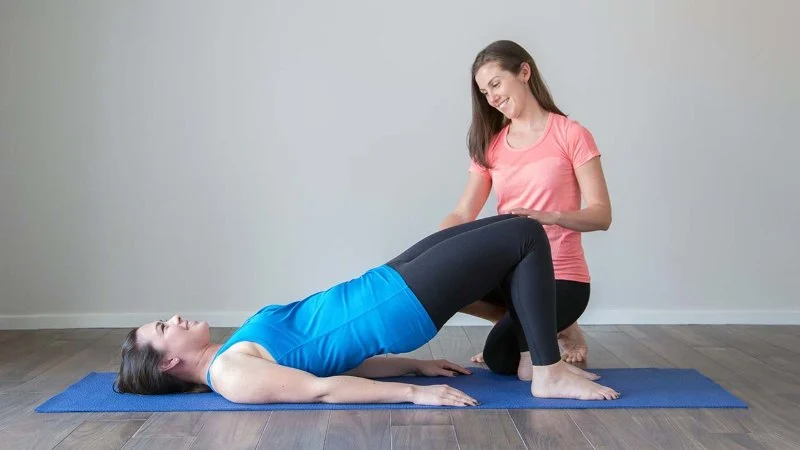
- Core Recovery Basics - Understanding Postpartum Body Changes
- Safety First - When and How to Start Core Training After Pregnancy
- Deep Core Activation - Rebuilding Stability from Within
- Pelvic Floor Strength - The Foundation of Postpartum Fitness
- Beginner-Friendly Core Exercises for New Moms
- Progressive Core Strength Training for Long-Term Results
- Real-Life Recovery Story and Practical Insights
- Weekly Core Training Structure for Sustainable Progress
- Common Mistakes That Slow Down Postpartum Recovery
- How Hot Fitness Supports Your Postpartum Fitness Journey
Core Recovery Basics - Understanding Postpartum Body Changes
After pregnancy, the body does not simply “bounce back” in the way many online fitness clips might suggest. The abdominal wall, pelvic floor, and deep stabilizing muscles have undergone months of stretching, hormonal shifts, and structural adaptation. This is why Best Exercises to Strengthen Your Core After Pregnancy is not just a fitness topic—it is a rehabilitation process that requires patience, awareness, and progression.
One of the most important changes is the weakening of the transverse abdominis, the deep core muscle responsible for stability. In many postpartum women, this muscle does not automatically re-engage without intentional retraining. Additionally, conditions like diastasis recti—where the abdominal muscles separate—can influence how exercises should be approached.
The misconception that crunches or intense abdominal workouts will restore the midsection quickly often leads to setbacks. Instead, rebuilding core strength is about reconnecting the nervous system with deep stabilizers, not just “burning abs.” This shift in understanding is what makes postpartum training unique and essential for long-term health.

Symmetry Pilates Studio LLC / symmetry pilates center
Orchard ParkErie CountyNew York
4 Centre Dr Suite G, Orchard Park, NY 14127, USA
Safety First - When and How to Start Core Training After Pregnancy
Before starting any postpartum fitness routine, timing and medical clearance matter significantly. While some women may feel ready within weeks, others may need months depending on delivery type, complications, or physical recovery speed.
A safe return to core training often begins with breathing exercises and gentle pelvic engagement rather than traditional workouts. Even walking and posture correction can serve as early-stage rehabilitation. The goal is not intensity—it is reconnection.
Healthcare professionals typically recommend avoiding high-pressure abdominal exercises too early. This includes sit-ups, planks, and twisting movements until the deep core can properly stabilize the spine. Listening to the body is more important than following generic timelines.
This is where guided programs or curated fitness resources like those available through Hot Fitness can be helpful, offering structured progressions instead of random workouts that may not align with postpartum needs.

Barry's East 86th / barrys 86th
New YorkNew York CountyNew York
237 East 86th St, New York, NY 10028, USA
Deep Core Activation - Rebuilding Stability from Within
Deep core activation is the foundation of every effective postpartum routine. Instead of focusing on visible muscles, this stage targets internal stabilization systems.
One essential technique involves diaphragmatic breathing. When performed correctly, inhalation expands the rib cage while exhalation gently draws the abdomen inward, engaging the transverse abdominis. This simple mechanism reconnects mind and muscle after months of reduced core engagement.
Another key element is controlled pelvic tilt movements. These subtle exercises help retrain spinal alignment and restore neuromuscular coordination. While they may appear simple, their impact on postpartum recovery is profound when practiced consistently.
Many women underestimate this stage because it does not “feel intense,” but deep core activation is what prevents long-term issues like back pain and pelvic instability.
Pelvic Floor Strength - The Foundation of Postpartum Fitness
The pelvic floor acts as the support system for the entire core structure. After childbirth, these muscles often require deliberate rehabilitation to restore strength and responsiveness.
Gentle contraction exercises, often referred to as Kegels, can be helpful, but they are most effective when integrated with breathing and posture work rather than performed in isolation.
A stronger pelvic floor contributes not only to core stability but also to improved balance, reduced lower back discomfort, and enhanced functional movement in daily life. Lifting a baby, carrying groceries, or simply standing for long periods becomes easier when this foundation is restored.
The relationship between pelvic floor health and abdominal recovery is often overlooked, yet both systems must work together to achieve meaningful postpartum strength.
Beginner-Friendly Core Exercises for New Moms
At the beginner stage, movements should be slow, controlled, and focused on awareness rather than intensity. The goal is to rebuild confidence in movement patterns.
Heel slides are one of the safest starting points. Lying on the back with knees bent, slowly sliding one heel forward while maintaining abdominal engagement helps retrain core stability without pressure overload.
Another effective movement is the modified dead bug. This exercise teaches coordination between limbs and core without strain. When performed correctly, it encourages proper spinal alignment and controlled breathing.
Seated posture resets can also play a surprising role in recovery. Simply sitting upright, engaging the lower abdomen gently, and maintaining neutral spine alignment for short intervals helps rebuild daily functional strength.
These exercises may appear simple, but their cumulative effect forms the foundation for more advanced postpartum training phases.
Progressive Core Strength Training for Long-Term Results
Once foundational stability is established, progression becomes important. This stage introduces more dynamic movement patterns while maintaining control and safety.
Bird-dog variations, standing resistance band work, and controlled plank progressions can gradually reintroduce load to the core. However, the emphasis should remain on quality of movement rather than duration or intensity.
At this stage, many women notice improved posture, reduced fatigue during daily tasks, and a stronger sense of bodily control. These are key indicators that the deep core system is functioning effectively.
It is also important to monitor for signs of overexertion, such as abdominal doming or lower back discomfort, which may indicate that progression is too rapid.
Real-Life Recovery Story and Practical Insights
One widely discussed example in postpartum fitness communities involves a mother who returned to exercise too quickly after childbirth, focusing heavily on crunches and planks. Instead of improving her core strength, she experienced worsening back pain and visible abdominal separation.
After working with a postpartum specialist, she shifted to deep core retraining, breathing work, and pelvic floor integration. Within months, her stability improved significantly, and she eventually returned to full workouts without discomfort.
This type of story is common and highlights a critical lesson: postpartum recovery is not about intensity—it is about strategy. Many women only discover this after experiencing setbacks, which is why structured guidance is so valuable.
Platforms like Hot Fitness help bridge this gap by offering curated fitness guidance designed specifically for postpartum recovery stages, reducing the guesswork and confusion that often leads to injury.
Weekly Core Training Structure for Sustainable Progress
A balanced weekly approach is more effective than random daily workouts. A structured plan ensures recovery while maintaining consistency.
A typical week might include deep core activation sessions on alternate days, gentle mobility work on recovery days, and light strength progression later in the week. Walking can be integrated daily as a low-impact support activity.
The key is rhythm rather than intensity. Postpartum bodies respond better to consistent low-to-moderate engagement than sporadic high-intensity efforts.
Over time, this structured approach builds not only physical strength but also confidence in movement, which is equally important for long-term health.
Common Mistakes That Slow Down Postpartum Recovery
One of the most common mistakes is rushing into traditional abdominal workouts too early. Exercises like crunches or leg raises may feel productive but can actually worsen separation or instability if the deep core is not ready.
Another frequent issue is ignoring breathing mechanics. Without proper breath control, core engagement remains superficial and ineffective.
Some women also focus only on appearance rather than function, which leads to frustration when visible changes do not occur quickly. However, functional strength always precedes aesthetic results in postpartum recovery.
Finally, inconsistency slows progress significantly. Short, regular sessions are far more effective than occasional intense workouts.
How Hot Fitness Supports Your Postpartum Fitness Journey
Navigating postpartum fitness alone can feel overwhelming, especially with conflicting online advice. This is where structured support becomes valuable.
Hot Fitness provides curated guidance and product recommendations tailored to different stages of core recovery after pregnancy. Instead of guessing which exercises or tools are appropriate, users can explore resources designed with progression and safety in mind.
Whether someone is just beginning deep core activation or transitioning into strength training, having a reliable reference point can make the journey smoother and more sustainable. The focus remains on rebuilding strength safely while supporting long-term physical wellness.
Ultimately, postpartum core recovery is not a race. It is a gradual rebuilding of internal strength, stability, and confidence—one controlled movement at a time.
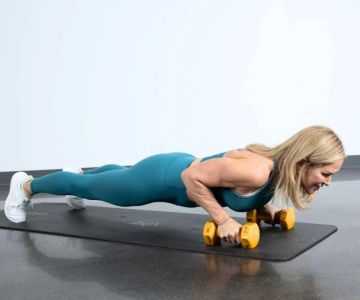
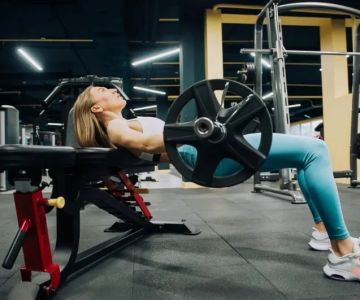

 Bandana Training Club0.0 (0 reviews)
 Quad Strength System5.0 (27 reviews)
 KOUTURE LEVEL ATHLETICS5.0 (6 reviews)
 CrossFit SPRC5.0 (32 reviews)
 KLM Paddle Hut5.0 (4 reviews)
 Coreology - Downtown Los Angeles5.0 (11 reviews)
 How to Incorporate Yoga Into Your Day | Tips for Beginners and Experienced Yogis
 Best Foods to Eat Before and After Muscle Gain for Optimal Results
 Top 5 Myths About Strength Training | Hot Fitness
 Why Everyone Should Try Yoga: Health Benefits and Personal Growth
 Beginner-Friendly HIIT Circuits You Can Do in a Small Apartment This Autumn – Stay Fit at Home
 How to Prepare Your Body for a Fall Obstacle Race: Grip, Legs, and Cardio