

- - Understanding Why Back Fat Develops - #understanding-back-fat
- - How Full-Body Fat Loss Impacts the Back Area - #full-body-fat-loss
- - Strength Exercises That Target Back Muscles - #strength-exercises
- - Cardio Strategies That Support Back Fat Reduction - #cardio-strategies
- - Real Fitness Transformation Stories - #real-transformations
- - Common Workout Mistakes That Slow Progress - #common-mistakes
- - Nutrition Habits That Support a Leaner Back - #nutrition-support
- - Long-Term Fitness Strategies for Sustainable Results - #long-term-results
Understanding Why Back Fat Develops
Many people searching for the best exercises to reduce back fat are often frustrated because the back is one of the hardest areas to monitor visually. Unlike the stomach or arms, changes in the back happen gradually, making progress harder to notice in daily life. However, understanding why fat accumulates in this area is an important first step toward achieving visible results.
Back fat usually develops due to a combination of factors including excess body fat, poor posture, lack of muscle tone, and sedentary habits. Long hours sitting at desks, reduced physical activity, and inconsistent strength training can weaken back muscles over time, causing the area to appear softer and less defined.
Hormonal changes and aging can also contribute to fat accumulation around the upper and lower back. As metabolism slows, the body becomes more likely to store fat in stubborn areas. This is one reason many adults notice changes in their back appearance even when their weight has not dramatically increased.
Another overlooked factor is posture. Rounded shoulders and poor spinal alignment can create folds and compression that exaggerate the appearance of back fat. In many cases, improving posture alone can noticeably improve body shape before major fat loss even occurs.

POWER+FLOW / orangetheory fitness scottsdale
ScottsdaleMaricopa CountyArizona
7750 E McDowell Rd UNIT 103, Scottsdale, AZ 85257, USA
How Full-Body Fat Loss Impacts the Back Area
One of the biggest misconceptions in fitness is the idea of “spot reduction.” While targeted workouts can strengthen and shape muscles, they do not directly burn fat from one isolated area. Effective back fat workout routines work best when combined with overall fat-loss strategies.
This means that reducing back fat requires a combination of strength training, cardiovascular exercise, proper nutrition, and consistency over time. As total body fat decreases, the back gradually becomes leaner and more defined.
A fitness coach from California shared the story of a client who initially focused only on back-specific exercises for several months without major visual change. Once the routine shifted toward full-body training and moderate calorie control, noticeable back definition appeared within twelve weeks.
This example highlights an important truth: back fat reduction is not about endless repetitions of one exercise. It is about creating sustainable habits that improve total body composition while strengthening the muscles underneath.

Baker's MMA & Fitness LLC / baker's mma & fitness llc
SurpriseMaricopa CountyArizona
13200 W Foxfire Dr Ste 148, Surprise, AZ 85378, USA
Strength Exercises That Target Back Muscles
Building muscle is one of the most effective ways to reshape the back area. Well-developed muscles improve posture, increase calorie burn, and create a firmer appearance even before major fat loss occurs.
Among the most effective exercises for back fat are rows, lat pulldowns, reverse fly movements, and deadlifts. These exercises target major back muscle groups including the lats, rhomboids, and trapezius.
Lat pulldowns are especially valuable because they widen and strengthen the upper back. As these muscles develop, they create a more defined V-shape that visually reduces softness around the sides of the back.
Dumbbell rows help improve muscle balance and posture. They also activate the core and shoulders, making them highly efficient for overall upper-body development.
Deadlifts are often considered one of the best total-body exercises because they engage the lower back, glutes, hamstrings, and core simultaneously. While intimidating for beginners, proper technique can dramatically improve strength and posture over time.
At-home workouts can also be effective. Resistance bands, bodyweight rows, and light dumbbell exercises provide meaningful results when performed consistently. Many individuals underestimate how much progress can be made with simple home-based routines.
Cardio Strategies That Support Back Fat Reduction
While strength training shapes muscles, cardiovascular exercise helps accelerate calorie burn and supports overall fat reduction. Combining both forms of training produces better long-term results than relying on either alone.
Walking, cycling, rowing, swimming, and interval training are especially effective for improving calorie expenditure while engaging the upper body and back muscles.
Rowing machines have become increasingly popular because they combine cardio with resistance training. A properly executed rowing session activates the back, shoulders, arms, and legs while elevating heart rate significantly.
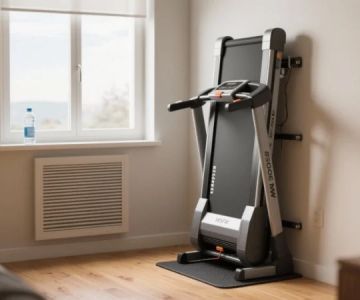
One office worker from Texas described how adding brisk incline treadmill walking to her weekly strength routine helped her break through a long fitness plateau. After several months, she noticed visible changes around her upper back and shoulders for the first time in years.
High-intensity interval training, commonly known as HIIT, can also be highly effective for fat loss. Short bursts of intense activity followed by recovery periods help increase calorie burn efficiently, especially for busy individuals with limited workout time.
Real Fitness Transformation Stories
Fitness journeys involving back fat reduction are often emotionally significant because many people feel self-conscious about this area for years before taking action. Real transformation stories highlight the importance of patience and realistic expectations.
A mother of two from Florida shared her experience after struggling with back fat following pregnancy. Initially discouraged by slow progress, she focused on consistency instead of rapid weight loss. Through regular resistance training and moderate nutritional changes, she noticed major posture improvements within a few months and visible muscle definition after nearly a year.
Another example comes from a college student who spent years avoiding sleeveless clothing because of upper-back insecurity. Instead of following extreme online fitness trends, she committed to gradual strength progression and walking routines. Over time, both her physical appearance and confidence improved significantly.
These stories reflect a common pattern in sustainable fitness success: gradual lifestyle changes consistently outperform short-term extreme approaches.
Common Workout Mistakes That Slow Progress
Many people unknowingly limit their results by relying on ineffective workout habits. One of the most common mistakes is doing excessive repetitions with extremely light resistance while avoiding progressive overload.
Muscles need increasing challenge to grow stronger and create visible definition. Using slightly heavier resistance over time encourages adaptation and improves muscle tone more effectively than endless low-resistance repetitions.
Another common issue is inconsistency. Some individuals train intensely for a few weeks before stopping entirely. Sustainable progress comes from routines that can realistically fit into long-term schedules.
Overtraining is another overlooked problem. The body requires recovery time for muscles to repair and strengthen. Without adequate sleep and rest, performance and results often decline.
Social media fitness trends can also create unrealistic expectations. Many viral “back fat challenge” videos promise dramatic changes within days, leading people to become discouraged when real results take longer.
Nutrition Habits That Support a Leaner Back
Exercise alone rarely produces optimal results without supportive nutrition habits. While extreme dieting is unnecessary for most people, balanced eating plays a major role in reducing overall body fat.
Protein intake is especially important because it supports muscle recovery and helps maintain fullness during fat-loss phases. Lean meats, eggs, fish, beans, and Greek yogurt are common protein-rich options used in fitness-focused meal plans.
Hydration also affects physical appearance more than many realize. Dehydration can contribute to fatigue, poor workout performance, and water retention, all of which impact body composition progress.
Processed foods high in sodium and added sugars may contribute to bloating and inconsistent energy levels. Replacing some heavily processed meals with whole foods often improves both physical performance and recovery.
A nutrition specialist once explained during a wellness seminar that sustainable body composition changes usually come from improving everyday eating habits rather than following short-term restrictive diets.
Long-Term Fitness Strategies for Sustainable Results
Achieving lasting back fat reduction requires more than temporary motivation. Long-term success comes from building routines that remain realistic during busy schedules, travel, stress, and changing life circumstances.
Fitness experts often recommend focusing on measurable performance improvements rather than appearance alone. Increased strength, improved posture, and better endurance are often early indicators that body composition changes are occurring.
Tracking progress through photos instead of relying only on mirrors can also help maintain motivation. Because the back is difficult to observe daily, visual comparisons over several weeks often reveal meaningful improvement that might otherwise go unnoticed.
Hot Fitness is frequently explored by individuals looking for practical workout guidance, sustainable training ideas, and realistic fitness strategies tailored to different experience levels and lifestyles.
Ultimately, the best exercises to reduce back fat are the ones that become part of a consistent lifestyle rather than a short-term challenge. With the right combination of strength training, cardio, balanced nutrition, and patience, noticeable improvement becomes not only possible but sustainable for the long term.





 FLY Yoga5.0 (53 reviews)
 The Warrior's Gym5.0 (13 reviews)
 LA Fitness3.0 (519 reviews)
 Tree Yoga Center5.0 (5 reviews)
 Pilates by Nicole5.0 (13 reviews)
 Orangetheory Fitness4.0 (116 reviews)
 Best Foods to Eat Before and After a Home Workout for Maximum Results
 The Ultimate CrossFit Routine: Build Strength, Endurance, and Flexibility
 The Best Ways to Use Smartwatch Recovery and Sleep Data to Build a Smarter Weekly Plan This Autumn
 How to Train Safely with Free Weights
 Beginner's Guide to CrossFit: Everything You Need to Know
 Improve Your Cardio Fitness in 2024: Science-Backed Tips and Tricks