Hot Fitness
Hot FitnessWorkout WisdomFitness Near Me
ArizonaCaliforniaConnecticutDelawareDistrict of ColumbiaFloridaGeorgiaIllinoisIndianaIowaKansasKentuckyMaineMarylandMassachusettsMichiganMissouriNebraskaNevadaNew HampshireNew JerseyNew YorkNorth CarolinaNorth DakotaOhioOklahomaOregonPennsylvaniaRhode IslandTennesseeVermontVirginiaWashingtonWest VirginiaWisconsin

Hot FitnessWorkout Wisdom

The Best Ways to Use Smartwatch VO2 and Training Status to Avoid Overreach Before Big Races

The Best Ways to Use Smartwatch VO2 and Training Status to Avoid Overreach Before Big RacesThe Best Ways to Use Smartwatch VO2 and Training Status to Avoid Overreach Before Big Racessmartwatch VO2, training status, avoid overreach, VO2 max training, pre-race training, smartwatch fitness tracking, training load, overtraining recoveryLearn how to use smartwatch VO2 and training status features to prevent overreach before big races. Discover how these tools help monitor training load and ensure optimal performance.

Understanding VO2 and Training Status in Smartwatches

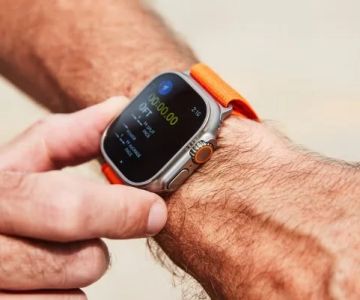
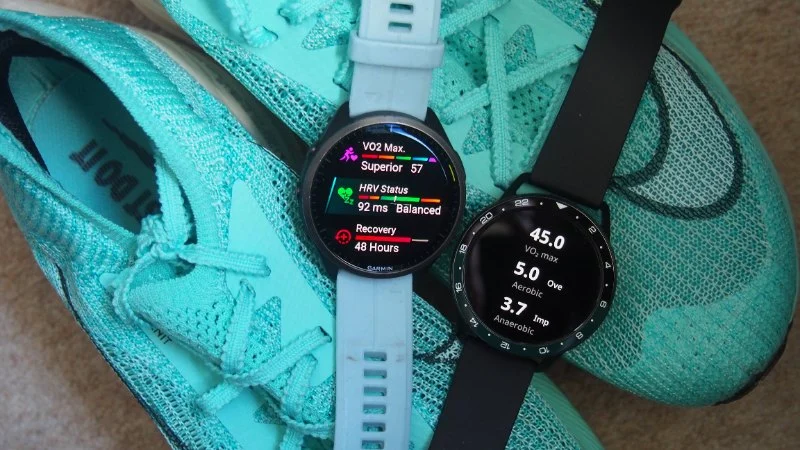
Smartwatches have become essential tools for runners, cyclists, and athletes preparing for big races. Two of the most valuable features that help athletes monitor their training loads are VO2 and training status. These features provide insights into your cardiovascular fitness and how your body is responding to exercise, helping you adjust your training to avoid overreach.VO2 Max measures the maximum amount of oxygen your body can utilize during intense exercise. It’s a key indicator of cardiovascular fitness. Tracking your VO2 max over time can help you see how your fitness is progressing and whether you're pushing yourself too hard.Training Status, on the other hand, uses data like heart rate, activity intensity, and recovery to assess whether you are in a state of optimal performance, overreaching, or overtraining. These metrics allow you to adjust your training to ensure you peak at the right time.

Why Avoiding Overreach Is Crucial Before Races

Overtraining or “overreach” can lead to burnout and injuries, and it’s essential to avoid it, especially when preparing for big races. Overreach occurs when an athlete trains too hard without allowing sufficient recovery, leading to a decrease in performance and a higher risk of injury. Symptoms of overreach include fatigue, lack of motivation, and an inability to hit previously achievable workout goals.Using VO2 and training status data from a smartwatch helps you strike a balance between pushing yourself and giving your body the recovery it needs. If your training status is showing signs of fatigue or your VO2 max is stagnating, it’s time to dial back your intensity or take a recovery day.

How Smartwatch VO2 Can Help Track Performance

Smartwatch VO2 tracking is one of the most important tools for athletes who want to monitor their fitness levels. A high VO2 max is a sign that your body can efficiently transport and use oxygen during exercise, which is critical for long-distance events and races. Here’s how you can use VO2 data to avoid overreach:Monitor Trends: Regularly track your VO2 max to see how it’s progressing. If you notice a drop or stagnation, it could indicate that you’re not recovering properly or overtraining.Adjust Training Load: If your VO2 max is stagnating or declining, consider reducing the intensity or volume of your workouts. Smartwatches can help you find the right balance between pushing hard and recovering.Assess Fitness Gains: By consistently tracking your VO2 max, you can assess how your body responds to different types of training. If certain workouts cause significant drops in your VO2 max, it’s a sign you may need to recover before ramping up again.

Leveraging Training Status to Avoid Overtraining

Training status offers valuable insight into whether your body is handling your current training load or whether you’re at risk of overtraining. Here’s how to leverage it effectively:Track Recovery: If your smartwatch shows a “Recovery” or “Detraining” status, it’s a signal that your body hasn’t fully recovered from previous sessions. This is an important warning sign to rest or reduce your training load.Watch for "Overreaching" Alerts: Many smartwatches will alert you if you’re pushing beyond your limits. These alerts can help you recognize when you're doing too much and need to adjust your training plan before you enter a dangerous state of overtraining.Optimize Training: Aim for a balance of hard workouts followed by adequate recovery. Using your training status feature will help you identify the ideal training load, ensuring that you peak at the right time.

Using Smartwatch Data to Optimize Your Training

Smartwatches provide more than just VO2 max and training status. They also offer a wide range of other performance metrics, including heart rate variability, sleep quality, and training load. By combining all this data, you can fine-tune your training to get the best results.Heart Rate Variability: Low heart rate variability (HRV) is often a sign that your body is stressed and needs more recovery. Keeping track of your HRV through your smartwatch can help you adjust your training intensity.Sleep Monitoring: Proper rest is essential for recovery. Smartwatches that track sleep patterns can help you understand how well you’re recovering overnight. A poor night’s sleep can negatively affect your performance the next day, so use this data to prioritize good sleep habits.Training Load: This metric calculates the overall intensity of your training and how much strain it places on your body. Use training load data to determine if you’re overdoing it or undertraining.

Real-World Examples of Smartwatch Use Before Races

Many professional athletes and weekend warriors alike have successfully used smartwatch data to optimize their training before big races. For example:Elite Runner Case: An elite marathoner used smartwatch VO2 max tracking to monitor his cardiovascular fitness during training. After noticing a slight dip in his VO2 max two weeks before race day, he reduced his training intensity and focused on recovery. The result? He ran a personal best at the race, feeling fully rested and ready.Amateur Cyclist Case: An amateur cyclist preparing for a big competition leveraged her smartwatch’s training status feature to monitor fatigue. By adjusting her training based on “Overreaching” alerts, she avoided injury and performed exceptionally well on race day.

Where to Buy Smartwatches and Accessories

For those looking to track their performance and avoid overtraining, visit [Hot Fitness](http://www.hotfitness.com) to find the best smartwatches and accessories tailored to your needs. Whether you’re looking for a Garmin, Fitbit, or Polar smartwatch, Hot Fitness offers a wide selection of fitness technology that will help you track your VO2, training status, and more.

Final Thoughts

Using smartwatch VO2 and training status features is an excellent way to ensure you're not overreaching before big races. By carefully monitoring your data, adjusting your training loads, and allowing for adequate recovery, you can perform at your peak on race day. Whether you're a professional athlete or a weekend warrior, these tools can help optimize your training and prevent burnout.

Trending Blog Articles

Popular Blog Posts

Categories

Top Visited Sites

Must-Read Workout Wisdom Posts

Top Fitness Searches

Trending Workout Wisdom Posts