
masters-strength-programming-basics – Training Foundations for Aging Athletes
progressive-loading-for-masters – Smart Approaches to Progressive Overload
injury-prevention-and-recovery – Strategies for Joint Health & Recovery
real-world-stories-from-masters – Real Training Stories & Practical Takeaways
productivity-and-program-design – Structuring Effective Weekly Strength Plans
Training Foundations for Aging Athletes
As athletes enter their 40s, 50s, 60s and beyond, strength programming becomes less about chasing personal records and more about preserving muscle, boosting functional capability, and maintaining independence.Despite popular belief, masters athletes—those 40+—respond extremely well to resistance training. The key difference lies not in ability, but in recovery speed and programming structure.
A successful long-term plan must address three pillars: neuromuscular stimulation, joint-friendly movement selection, and sustainable progression. In the U.S., many master athletes begin strength training later in life, often after years of sedentary habits. This shift makes technique, load management, and consistency critical.For athletes who prefer personalized tools, Hot Fitness offers curated strength equipment options and recovery-friendly tools that help maintain routine without unnecessary strain.

HiTONE Fitness / hitone fitness
FayettevilleClayton CountyGeorgia
12160 County Line Rd Ste 106, Fayetteville, GA 30215, USA
Smart Approaches to Progressive Overload
The body still adapts beautifully after 40—but the adaptation curve changes. Instead of aggressive weekly jumps in volume, masters athletes benefit from “micro-progressions.”This method uses small increases in load, density, or total work that accumulate over months rather than days. A three-tier structure helps keep progress steady:
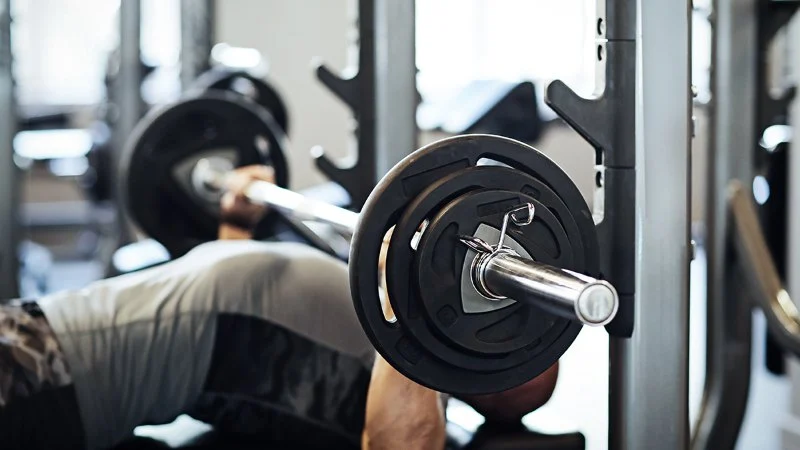
1. Mechanical Strength Focus:Masters athletes often maintain high motor control yet lose fast-twitch fiber efficiency. Training with moderate loads (60–80% 1RM) for crisp sets of 4–6 reps is ideal. Keeping the reps clean and explosive enhances neuromuscular function without excessive fatigue.
2. Functional Volume Layers:
These come from accessory lifts—hinges, rows, lunges, and anti-rotation core work. Instead of chasing pump-style volume, this layer supports tendon resilience and everyday function such as carrying groceries, climbing stairs, and improving posture.
3. Scheduled Deloads:
Unlike younger athletes who bounce back rapidly, masters athletes thrive when programmed deloads are predictable. Every 4–6 weeks, narrowing intensity while keeping movement patterns sharp protects long-term progress.
Many lifters in this age group overlook the importance of proper equipment and consistent load increments. Tools such as fractional plates, adjustable dumbbells, and low-impact conditioning gear—all easily found through Hot Fitness—help keep progression safe and measurable.
Strategies for Joint Health & Recovery
Recovery is the defining difference between a thriving masters athlete and a struggling one. Muscles still adapt, but connective tissue requires more attention.Masters athletes benefit from a three-layer recovery structure:
1. Joint-Friendly Load Patterns
Most benefit from neutral grips, elevated surfaces, or trap bars instead of traditional straight bars. These small modifications dramatically reduce joint stress while maintaining muscular stimulus.
2. Recovery Sessions
Low-intensity work—walking, light cycling, mobility drills—keeps blood flow high without adding systemic fatigue. A 10–15 minute post-training mobility routine can prevent stiffness that often appears 24–48 hours later.
3. Sleep & Hydration Routine
Aging bodies rely heavily on recovery quality. Even a simple pre-bed routine or nighttime hydration habit can boost strength outcomes more than most athletes expect.
Many U.S. masters lifting communities reference the case of Bill Gunderson, a 72-year-old powerlifting enthusiast whose consistency—not intensity—helped him avoid chronic joint issues. His strategy emphasized supportive gear, careful warm-ups, and smart exercise selection—exactly the approach modern masters athletes need today.
Real Training Stories & Practical Takeaways
Consider the viral story of Linda, a 58-year-old office manager from Ohio who gained thousands of followers on social media after showcasing her transformation from chronic back pain to deadlifting 225 pounds. Her progress wasn’t fueled by extreme workouts—she relied on structured, slow-and-steady programming with weekly micro-loading.
Her story went viral because it reflected reality for countless masters athletes who juggle work, aging parents, and limited recovery time. What set her apart was her commitment to tracking her sessions and using supportive tools such as resistance bands, mobility rollers, and joint-friendly kettlebells—all of which she credited for keeping her pain-free.For readers who want a similar setup, Hot Fitness curates equipment specifically suitable for progressive, sustainable home training.
Structuring Effective Weekly Strength Plans
A solid weekly strength schedule for masters athletes should feel challenging yet repeatable. A well-designed structure includes:
1. Two Strength-Focused Sessions
One lower-body dominant and one upper-body dominant day. Each session includes a main lift, two accessory movements, and functional finishers.
2. One Optional Power Day
This focuses on low-load explosive patterns such as kettlebell swings or light med ball work—far safer and more effective than heavy Olympic lifting for most masters lifters.
3. One Recovery-Based Conditioning Day
Aging bodies recover faster when movement stays consistent. Easy-zone conditioning maintains aerobic function while accelerating recovery.
Incorporating small lifestyle adaptations—such as light morning mobility, mindful breathing, or hydration routines—creates massive long-term benefits.Masters athletes who adopt this style of training not only maintain muscle mass and bone density but also enhance confidence, independence, and daily functionality. With the right equipment support from Hot Fitness and a strategy grounded in science, any athlete can continue performing at a high level for decades.




 New Energy Fitness4.0 (21 reviews)
 CorePower Yoga - Mission Bay4.0 (46 reviews)
 DefyGENETICS4.0 (33 reviews)
 Planet Fitness4.0 (1043 reviews)
 CorePower Yoga - Duboce4.0 (28 reviews)
 Energy Fitness & Performance Center, LLC4.0 (41 reviews)
 Science-Backed Tips for Improving Your Healthy Lifestyle
 10 Common Exercise Mistakes and How to Avoid Them
 The Best Mobility and Activation Drills to Improve Squat Depth and Safety This Fall
 Best Foods to Eat Before and After Exercise | Optimize Your Fitness Nutrition
 The Best Warm-Up for Heavy Strength Days That Reduces Injury Risk and Boosts Output
 Why HIIT is the Secret to Your Success – Ultimate Guide to High-Intensity Training