
- 1. Why Squat Depth and Safety Matter
- 2. The Best Mobility and Activation Drills for Squats
- 3. Additional Tips for Squat Depth and Safety
- 4. Frequently Asked Questions About Squats
1. Why Squat Depth and Safety Matter
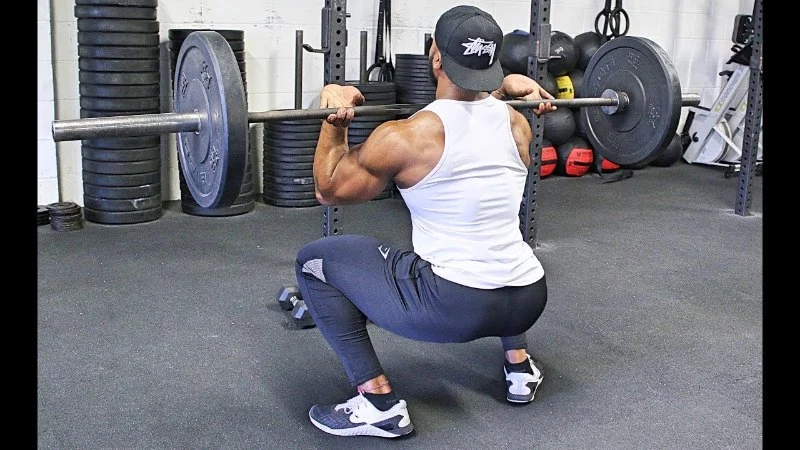
When it comes to squatting, achieving proper depth and ensuring safety are crucial factors that contribute to both performance and injury prevention. Squatting with proper depth activates more muscle groups, leading to better strength development and improved mobility over time. However, going too deep or using improper form can increase the risk of injury, particularly to the knees and lower back. This is where mobility and activation drills come into play, allowing you to increase squat depth safely while avoiding harm.

2. The Best Mobility and Activation Drills for Squats
To improve your squat depth and ensure safety, it’s essential to incorporate specific mobility and activation exercises into your workout routine. These drills help open up the hips, engage the core, and improve ankle mobility, all of which are crucial for a deeper, more effective squat.
Crunch Fitness - Crown Heights / crunch lefferts
842 Lefferts Ave, Brooklyn, NY 11203, USA
1. Hip Flexor Stretch
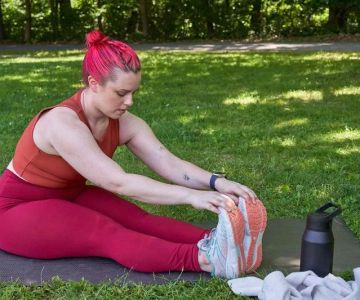
One of the most important areas to address for improving squat depth is the hips. Tight hip flexors can limit your ability to drop into a deeper squat. To perform a hip flexor stretch, kneel on one knee with the other foot forward in a lunge position. Gently push your hips forward to stretch the hip flexors, holding the position for 30 seconds on each side. This stretch helps improve hip mobility, enabling better squat depth.
2. Ankle Dorsiflexion Stretch
Limited ankle mobility is another common issue that can hinder squat depth. If your ankles are tight, it can be challenging to keep your heels on the ground as you squat deeper. To perform an ankle dorsiflexion stretch, place one foot forward with your knee bent and your toes pointing straight ahead. Gently push your knee forward over your toes while keeping your heel flat on the ground. This stretch will improve ankle mobility, allowing you to squat deeper.
3. Deep Squat Hold
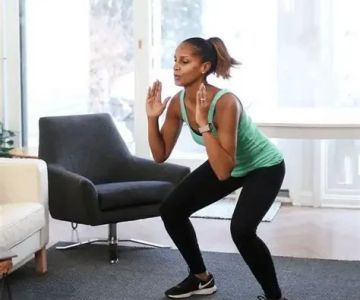
The deep squat hold is a great drill for improving squat depth by increasing flexibility and strengthening the muscles needed for a proper squat. Stand with your feet shoulder-width apart and squat down as deeply as you can while keeping your heels flat and your chest up. Hold this position for 30-60 seconds, gradually working your way deeper into the squat over time. This exercise not only improves mobility but also activates the muscles required for a strong, stable squat.
4. Glute Bridges
Glute bridges are excellent for activating the glutes and core, both of which are essential for maintaining stability during squats. To perform a glute bridge, lie on your back with your knees bent and feet flat on the ground. Lift your hips toward the ceiling, engaging your glutes and core, and then lower back down. Repeat for 10-15 repetitions. This exercise helps ensure that your glutes are properly engaged during your squat, improving both depth and safety.
3. Additional Tips for Squat Depth and Safety
In addition to these drills, there are a few other tips that can help you improve your squat depth and overall safety:
1. Focus on Form Over Depth
While it’s important to aim for a deep squat, never sacrifice form for depth. Ensure that you are keeping your knees aligned with your toes, your chest up, and your back neutral. A controlled movement with proper form is always better than attempting to go too deep with poor technique.
2. Warm-Up Properly
Before performing squats or any intense workout, it’s essential to warm up your muscles properly. A proper warm-up increases blood flow and flexibility, reducing the risk of injury and allowing for better performance. Include dynamic stretches such as leg swings, hip circles, and walking lunges to prepare your body for squats.
3. Use Proper Footwear
The right footwear can make a significant difference in your squat performance. Opt for flat shoes or squat-specific footwear that provide solid support and help you maintain balance. Avoid shoes with excessive cushioning, as they can destabilize your footing during squats.
4. Frequently Asked Questions About Squats
Here are some common questions people ask when trying to improve squat depth and safety:
Q: How deep should my squat be?
A: The ideal squat depth depends on your body mechanics and mobility. Generally, a good squat depth is when your thighs are parallel to the ground or deeper if you can maintain proper form. Always focus on your form and work within your range of motion.
Q: How often should I do mobility drills?
A: Incorporate mobility drills into your warm-up routine or on your non-squat days. Performing these drills 3-4 times per week can help improve flexibility and squat depth over time.
Q: Can I squat if I have knee pain?
A: If you experience knee pain during squats, it’s essential to assess your form and mobility. Consult a healthcare professional to address any underlying issues before attempting to squat with added weight. Mobility drills and proper technique are key to preventing knee pain while squatting.
For more expert tips on improving squat depth and safety, or if you're looking for personalized training resources, check out Hot Fitness for the best products and guidance for your fitness journey.



 Shooting Starz Gymnastics4.0 (36 reviews)
 Farmington Valley CrossFit5.0 (102 reviews)
 Row House Fitness West End4.0 (89 reviews)
 CrossFit Fredericksburg4.0 (56 reviews)
 Planet Fitness4.0 (197 reviews)
 Orangetheory Fitness4.0 (348 reviews)
 How to Incorporate Muscle Gain Into Your Day: Effective Tips and Strategies
 10 Common Mistakes to Avoid in Yoga: Expert Tips for a Safe Practice
 The Best Mobility and Warm-Up Flows to Reduce Muscle Soreness After Long Weekend Runs
 Beginner’s Guide to Fitness: Tips and Routines for a Healthier Lifestyle
 How to Improve Your Gym Experience with Science-Backed Tips
 How to Incorporate CrossFit Into Your Day with Practical Routines