
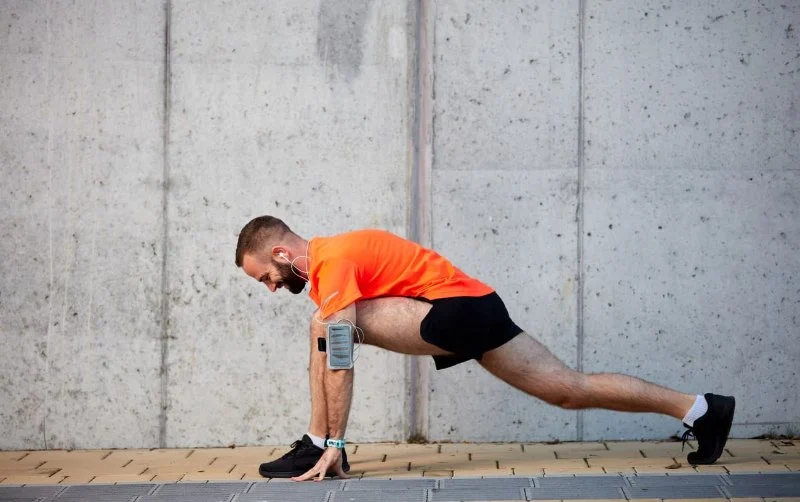
- Importance of Core Strength for Runners
- Core Circuits for Improved Stability
- Top Core Exercises for Runners
- Creating a Time-Efficient Core Routine
- Real-Life Examples of Core Workout Success
1. Importance of Core Strength for Runners
When most people think about running, they focus on leg strength and cardiovascular endurance. While these are critical components, many overlook the importance of core strength. The core is the central powerhouse that helps stabilize the body, ensuring efficient movement, proper posture, and injury prevention, all of which are vital for runners.
A strong core plays a key role in maintaining balance, especially when fatigue sets in during long runs. It helps reduce unnecessary stress on the lower back, hips, and knees by allowing for more efficient energy transfer through the body. Whether you’re sprinting or running a marathon, a stable and strong core supports better performance and endurance, making core training essential for every runner.

World Gym Fulton / world gym fulton ny
958 W 1st St S, Fulton, NY 13069, USA
2. Core Circuits for Improved Stability
Core circuits are a great way to target stability while avoiding the need for long, drawn-out training sessions. For runners, the goal is not only to build strength but to improve stability and endurance, which can make a significant difference in your performance and reduce the risk of injury.
The key to an effective core circuit for runners is variety and consistency. By incorporating different movements, you can challenge all aspects of your core, including the deep stabilizers that are essential for posture and balance. Additionally, the circuit style allows for quick, time-efficient workouts that can be done at home, in the gym, or even outdoors.
Here’s how you can structure a core circuit that focuses on improving stability:
1. Focus on Dynamic Movements: Dynamic exercises such as plank variations, mountain climbers, or stability ball exercises engage the muscles in your core while challenging your balance. These movements help activate not only the superficial muscles but also the deep stabilizers.
2. Incorporate Anti-Rotation Exercises: Anti-rotation movements like the Pallof press or Russian twists build core strength that helps stabilize your body while running. These exercises simulate the resistance your core faces during every stride, improving your ability to maintain posture and form under fatigue.
3. Include Unilateral Exercises: Single-leg exercises such as single-leg deadlifts or lunges engage the stabilizer muscles and are great for runners since running is essentially a series of one-leg movements. These exercises help improve balance and coordination, which are crucial for efficient running.

TITLE Boxing Club Forest Hills / forest hills boxing
69-30 Austin St, Forest Hills, NY 11375, USA
3. Top Core Exercises for Runners
For a runner, a solid core workout should include a combination of exercises that focus on stability, strength, and endurance. Here are some of the best core exercises for runners that can be incorporated into your circuits:
1. Plank Variations: The plank is a classic core exercise that targets the entire core, from your shoulders to your hips. To increase difficulty, try side planks or plank leg lifts to engage your obliques and hip flexors, which are crucial for maintaining a steady running form.
2. Dead Bugs: The dead bug is excellent for improving core control and stability. By engaging the lower back and abdominal muscles while keeping your spine in a neutral position, it teaches your body how to maintain posture and stability during movement, a crucial skill for every runner.
3. Russian Twists: Russian twists help improve rotational stability, which is essential for maintaining form while running. Sit on the floor with your knees bent and feet off the ground, twisting your torso from side to side. To increase difficulty, hold a weight or medicine ball during the movement.
4. Bird Dogs: This exercise involves extending one arm and the opposite leg while maintaining a stable core. It challenges balance, stability, and coordination, which are all vital for good running posture and injury prevention.
5. Glute Bridges: Glute bridges target the lower back, glutes, and hamstrings, which are all important for runners. Strong glutes help propel you forward, while strong lower back muscles prevent fatigue and discomfort during long runs.
4. Creating a Time-Efficient Core Routine
Runners often have busy schedules, and spending excessive time on core workouts may not always be feasible. Fortunately, it’s possible to design a quick and effective core routine that fits into your training schedule without compromising results. Here’s how to create a time-efficient core routine:
1. Keep It Short and Intense: Aim for 10-15 minutes per session. Focus on high-intensity circuits that target multiple areas of the core at once. A quick, high-intensity routine ensures you engage all muscles without overloading your schedule.
2. Focus on Compound Movements: Combine exercises that target different parts of the core, such as the plank with leg lifts, bird dogs, or Russian twists. This way, you can engage all muscle groups simultaneously, maximizing the effectiveness of your workout in a short amount of time.
3. Use Minimal Rest: Take short, 15-30 second rest periods between exercises to maintain a higher level of intensity throughout the session. This keeps your heart rate elevated and adds a cardiovascular benefit to the core workout.
4. Train 2-3 Times a Week: For best results, aim to include core work in your routine 2-3 times a week. You don’t need to do it every day—just enough to maintain core strength and stability, which will translate into improved running performance.
5. Real-Life Examples of Core Workout Success
Many runners have found success by integrating core circuits into their training routine. Here’s an example of how core workouts can make a real difference:
1. Sarah’s Marathon Prep: Sarah, a dedicated runner, had been struggling with knee pain during her long runs. After incorporating a core circuit into her weekly training plan, focusing on planks, dead bugs, and glute bridges, she noticed a significant improvement in her stability. Her posture while running became more consistent, reducing the strain on her knees. By the time she completed her marathon, Sarah felt stronger, more stable, and injury-free.
2. Mike’s Speed Training: Mike, a sprinter, was looking to improve his race times. He started including unilateral exercises like single-leg deadlifts and bird dogs in his routine. These exercises helped him build stability, and his improved balance allowed for more efficient strides. Over the course of a few weeks, Mike shaved seconds off his personal best times, attributing the improvements to his stronger core.
6. Why Choose Core Circuits for Runners
Core circuits offer a time-efficient, effective way for runners to improve stability, prevent injury, and enhance performance. Whether you're training for a marathon, sprinting, or simply aiming to run pain-free, core workouts help address imbalances and weaknesses in your body that can hinder your running.
By integrating a core circuit into your fall training plan, you can strengthen your muscles, improve your posture, and ensure better control during your runs. These workouts offer results without requiring a huge time commitment, making them perfect for runners who want to stay focused on their goals while optimizing their performance.
For more tips, products, and training services, check out Hot Fitness for expert advice and tools designed to enhance your running performance.





 Anytime Fitness4.0 (93 reviews)
 SWEATLAB:545.0 (5 reviews)
 New York Sports Club3.0 (226 reviews)
 F45 Training Westford4.0 (8 reviews)
 Training Mate Culver City5.0 (42 reviews)
 Fitness Center at the Buffalo Grove Park District4.0 (226 reviews)
 Advanced Techniques for Better CrossFit Results
 The Beginner’s Guide to Track Workouts: Repeats, Pacing, and Mental Focus for Fall
 10 Mistakes to Avoid in Your Workout – Improve Performance & Prevent Injuries
 How to Build Endurance for Long Hikes: Strength, Conditioning, and Foot Care Tips
 How to Program Strength Cycles Around Your Biggest Racing Goal in Autumn for Optimal Results
 Smart Hydration: Electrolytes and Fluid Strategy for Cooler, Drier Fall Runs