
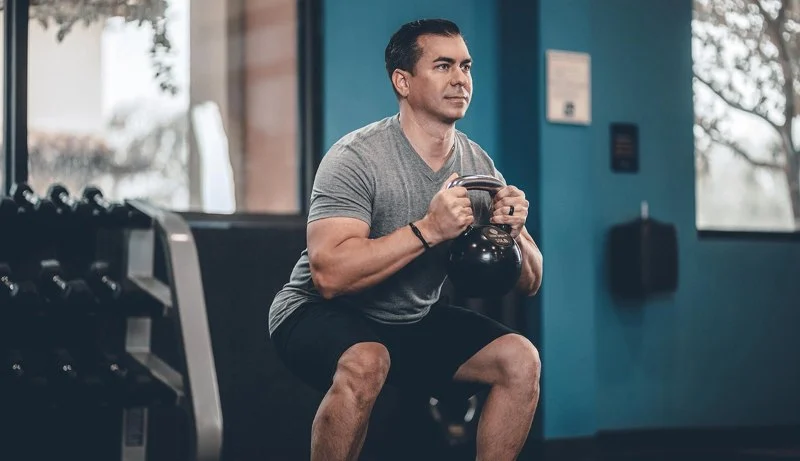
- workout strategy overview-efficient gym training structure
- time saving methods-short workout routine optimization
- strength & fat loss approach-high impact training design
- real life application-busy schedule fitness adaptation
- progress tracking-results without long gym sessions
Training Smarter When Gym Time Is Limited
In modern American lifestyles, time is often the biggest barrier to fitness. Between work schedules, commuting, family responsibilities, and unexpected obligations, many people only get 30–45 minutes in the gym—if they make it at all. The good news is that effective training is not about duration, but about structure. A well-designed limited gym time workout can outperform long, unfocused sessions.
The concept of efficient gym training is built on intensity, exercise selection, and rest control. Instead of wandering between machines or waiting for equipment, every minute is planned with purpose. This shift in mindset is what separates consistent progress from stalled results.
Understanding the Science Behind Short Workouts
Why Less Time Can Still Mean Better Results
Muscle growth and fat loss respond strongly to stimulus quality. Short, high-effort training triggers hormonal responses such as increased growth hormone and improved insulin sensitivity. This means a 30-minute focused session can often be more productive than a distracted 90-minute workout.
Intensity Over Duration Principle
Instead of extending gym time, focus on increasing training density—doing more work in less time. This is where strength training efficiency becomes essential. Compound movements like squats, deadlifts, presses, and rows should form the backbone of your routine.
A real-world example comes from a busy financial analyst in Chicago who shifted from hour-long casual gym visits to 35-minute structured sessions. Within 10 weeks, he reported improved muscle definition and higher energy levels, despite spending less time in the gym.
Building a Short Workout Routine That Actually Works
Structuring Your Sessions
A short workout routine must be carefully designed to avoid wasted effort. The most effective structure includes:
1. A quick warm-up (5 minutes) focused on mobility and activation 2. Compound strength movements (20 minutes) 3. Finisher or conditioning block (10 minutes)
This format ensures that every muscle group receives stimulation while maintaining high calorie burn.
Choosing the Right Exercises
Exercise selection is critical in efficient gym training. Instead of isolating muscles excessively, prioritize movements that engage multiple muscle groups simultaneously. This approach improves gym time optimization and reduces unnecessary downtime.
For example, a dumbbell lunge with overhead press activates legs, shoulders, and core at the same time. This is far more efficient than performing three separate exercises.
Maximizing Fat Loss and Muscle Growth in Limited Time
Metabolic Training Techniques
When gym time is limited, metabolic training becomes a powerful tool. Techniques like supersets, circuit training, and interval-based lifting increase heart rate while maintaining resistance load.
A fat loss workout plan using these methods can deliver results similar to longer cardio sessions but in significantly less time. This is especially useful for individuals balancing full-time jobs and family life.
Progressive Overload in Short Sessions
Even with limited gym time workout plans, progression is essential. Gradually increasing weight, reps, or intensity ensures continued adaptation. Without progression, even the most efficient workouts will plateau.
A fitness coach in Los Angeles shared a client case where a 40-minute training plan led to a 12-pound fat loss over 8 weeks simply by maintaining strict progressive overload and minimizing rest periods.
Common Mistakes That Waste Limited Gym Time
Excessive Rest Between Sets
One of the biggest mistakes is treating short workouts like traditional long sessions. Excessive rest reduces intensity and breaks the flow of training. Keeping rest periods between 30–60 seconds maintains metabolic pressure and improves results.
Overcomplicating Exercise Selection
Many people try to do too many exercises in one session. This reduces efficiency and creates confusion. A focused plan with 4–6 core movements is far more effective for strength training efficiency.
Ignoring Planning Before Arrival
Walking into the gym without a plan wastes valuable time. Pre-planning your session ensures you transition quickly between exercises, maximizing every minute available.
Real-Life Example: The 30-Minute Transformation Approach
A widely shared fitness story online involved a nurse working night shifts who struggled to maintain consistency. By switching to a structured limited gym time workout plan, she trained only three times per week for 30–35 minutes. Within three months, she noticed visible fat reduction and improved posture.
Her success came not from increasing effort alone, but from removing inefficiency. She followed a strict rotation of push, pull, and lower-body days, ensuring full-body development without long gym sessions.
Creating Long-Term Consistency Without Burnout
Balancing Intensity and Recovery
Efficient training does not mean overtraining. Recovery is just as important as workout execution. With short workout routines, the body experiences high intensity in short bursts, which actually improves recovery compared to prolonged stress sessions.
Building a Sustainable Fitness Habit
The greatest advantage of gym time optimization is sustainability. People are far more likely to stay consistent when workouts feel manageable. Even on busy days, a 25–30 minute session feels achievable, reducing dropout rates.
Many trainers recommend focusing on “minimum effective dose” training—doing just enough to stimulate progress without overwhelming the schedule. This philosophy is especially useful for long-term adherence.
Applying Smart Training Strategies in Real Life
The key to how to train effectively is understanding that progress is not tied to gym duration but to consistency and structure. Whether your goal is fat loss, muscle gain, or general health, a smart plan always outperforms a long but inconsistent one.
For those looking to build a more structured fitness approach or explore optimized training programs, Hot Fitness offers curated fitness insights and tools designed to help maximize results even with limited time.






 Release Yoga4.0 (468 reviews)
 Blue Sky Yoga4.0 (81 reviews)
 Topshelf Fitness Center & Supplement Store4.0 (86 reviews)
 Xtreme Fitness4.0 (63 reviews)
 Eye Witness Fitness Training & Wellness LLC4.0 (16 reviews)
 Fitness 485.0 (30 reviews)
 How to Stay Motivated in Your HIIT Workouts>
 The Best Methods to Implement Progressive Overload Safely for Runners and Cyclists This Fall
 Kettlebell Complexes for Metabolic Conditioning and Strength in 25 Minutes
 Advanced Techniques for Better Fitness Results to Break Plateaus
 The Benefits of Daily Workout – Boost Your Health, Fitness, and Wellbeing
 How to Program Hill Repeats for Correct Intensity and Sustainable Gains This Fall