
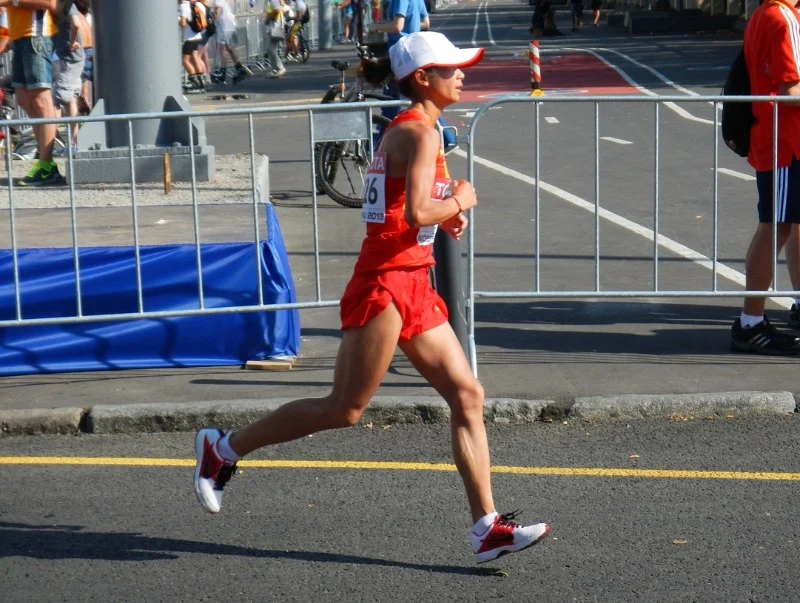
How to Program Tempo, Intervals, and Long Runs to Peak on Race Day This Season
- 1. Understanding the Importance of Proper Training for Race Day
- 2. How to Incorporate Tempo Runs into Your Training
- 3. Using Intervals to Boost Speed and Endurance
- 4. The Role of Long Runs in Preparing for Race Day
- 5. Timing Your Training Peaks for Optimal Performance
- 6. Tools and Resources for Training Success
1. Understanding the Importance of Proper Training for Race Day
To perform at your best on race day, it’s essential to follow a structured training plan that incorporates tempo runs, intervals, and long runs. Each of these types of workouts plays a critical role in building your endurance, speed, and mental toughness. But the key to success lies in how you schedule and combine these elements to peak at just the right moment.
A well-planned training cycle allows you to gradually build fitness, avoid burnout, and ensure that you are ready to hit your race goals. Whether you are training for a marathon, half marathon, or a shorter race, understanding how to balance these key workouts is essential for achieving peak performance.

2. How to Incorporate Tempo Runs into Your Training
Tempo runs, also known as threshold runs, are workouts that help you develop sustained speed and improve your ability to run at a faster pace without fatiguing quickly. The goal is to run at a pace just below your lactate threshold, which is the point at which lactic acid builds up in your muscles, causing fatigue.
Tempo runs should feel challenging but sustainable. A typical tempo run involves running at about 80-90% of your maximum effort for a set amount of time or distance, usually 20-40 minutes. Incorporating tempo runs into your training plan will help you maintain a faster pace for longer, which is especially important for racing at distances such as 5K, 10K, or longer events.
Example of a Tempo Run: After a 10-15 minute warm-up, run at a comfortably hard pace for 20 minutes, followed by a cool-down jog. The pace should feel challenging, but you should be able to sustain it for the duration of the workout without feeling completely exhausted.
Greendale Family Branch YMCA / greendale ymca worcester
WorcesterWorcester CountyMassachusetts
75 Shore Dr, Worcester, MA 01605, USA
3. Using Intervals to Boost Speed and Endurance
Interval training involves alternating periods of high-intensity running with recovery periods. This type of workout is designed to improve your speed, cardiovascular fitness, and overall endurance, which are crucial for racing. The key is to push yourself hard during the work intervals, followed by brief recovery periods to allow for partial recovery before repeating.
The length and intensity of the intervals will depend on the distance of your race. For example, 5K and 10K runners may incorporate shorter, faster intervals, while marathoners may focus on longer intervals at a slightly slower pace.
Example of an Interval Workout: After a warm-up, alternate between 3-5 minutes of hard running at a pace faster than your goal race pace, followed by 2-3 minutes of easy jogging or walking. Repeat the cycle 4-6 times, depending on your fitness level and race distance.
4. The Role of Long Runs in Preparing for Race Day
Long runs are the cornerstone of any distance running training plan. They help you build endurance, strengthen your cardiovascular system, and teach your body how to manage the physical and mental demands of long-distance races. Long runs also help you practice fueling, hydration, and pacing strategies that you will use on race day.
The length of your long runs will vary based on the race distance. For marathon training, long runs typically range from 16-22 miles, while half marathoners may peak at around 12-15 miles. It’s important to gradually increase the distance of your long runs during the peak of your training cycle to avoid injury.
Example of a Long Run: Start with a comfortable pace and aim to complete 90 minutes to 2 hours of running. As you build endurance, gradually increase the time or distance, ensuring that you complete at least one or two runs at or near your race distance.
5. Timing Your Training Peaks for Optimal Performance
One of the most important aspects of training for a race is ensuring that you peak at the right time. The goal is to structure your training so that your body is at its best on race day, when you need it most. This involves gradually increasing your training intensity and volume, followed by a tapering period where you reduce your mileage to allow your body to recover and prepare for the race.
A typical training cycle for distance races involves 8-12 weeks of progressively harder training, followed by a taper period of 1-2 weeks before race day. During the taper, reduce your mileage by about 20-30% each week to ensure that you are fully recovered and rested, while still maintaining fitness.
Properly timing your peak performance can be the difference between achieving a personal best and falling short of your goals. It requires careful planning and attention to detail, but with the right approach, you can maximize your chances of success on race day.
6. Tools and Resources for Training Success
To make the most of your tempo runs, intervals, and long runs, it’s important to have the right tools and resources at your disposal. Here are some helpful items:
- GPS Watches: A GPS watch will help you track your pace, distance, and time, which is crucial for monitoring the intensity of your tempo runs and intervals.
- Heart Rate Monitors: Monitoring your heart rate can help you ensure that you are training within the correct intensity zones for each type of workout.
- Running Apps: Apps like Strava or RunKeeper can provide detailed insights into your workouts and help you track your progress over time.
- Training Plans: If you're unsure how to structure your training, look for online resources or coaching services that provide personalized training plans.
For high-quality training resources and gear, visit Hot Fitness, where you can find everything you need to support your race preparation.





 Younique Fitness LLC- (School of Gymnastics, Acrobatics & Family Fitness)4.0 (16 reviews)
 24 Hour Fitness3.0 (398 reviews)
 CrossFit O'Fallon5.0 (49 reviews)
 FWD.Fitness Katonah4.0 (60 reviews)
 Club Pilates4.0 (237 reviews)
 F45 Training Summerlin4.0 (294 reviews)
 The Best Mobility and Activation Drills to Improve Squat Depth and Safety This Fall
 How to Plan a Deload Week After Peak Fall Training Without Losing Fitness
 How to Use Smartwatch Training Load to Plan Speed Work and Recovery Runs
 The Benefits of Daily Home Workouts – Improve Your Fitness at Home
 Advanced Techniques for Better Nutrition Results: Expert Tips for Maximizing Your Diet
 The Best Winterization Tips for Your Outdoor Running Gear This Fall Transition