Why Strength Training is Important for Athletes
Strength training is one of the most effective ways to improve athletic performance across all sports. While endurance, agility, and flexibility are often the focus of training, strength is the foundation that supports these skills. Building muscle mass not only enhances your power, but it also improves your stamina, speed, and injury prevention. Whether you’re a runner, swimmer, or team sport athlete, incorporating strength training into your routine can take your performance to the next level.
Studio Verve Pilates / studio verve
4545 N 36th St Suite 113, Phoenix, AZ 85018, USA
Benefits of Strength Training for Athletic Performance
Strength training offers several benefits for athletes that go beyond just building muscle. These include:
- Improved Power and Speed: Strong muscles help generate more power, which translates into faster movement and quicker reaction times during competition.
- Injury Prevention: Strengthening muscles, tendons, and ligaments enhances joint stability and reduces the risk of injuries such as strains, sprains, and tears.
- Enhanced Endurance: The more muscle mass you have, the more efficient your body becomes at utilizing energy during endurance activities. This means less fatigue during prolonged physical exertion.
- Better Posture and Technique: Strength training helps improve posture, which in turn allows athletes to execute their movements with better form, reducing the risk of overuse injuries.
- Faster Recovery: Strength training can also speed up recovery by increasing blood flow to muscles, reducing soreness, and allowing athletes to train harder and more frequently.
Creating a Strength Training Plan for Athletes
For athletes looking to improve their performance through strength training, it’s crucial to design a plan that targets the muscles used in their sport. Here’s how to get started:
- Identify Your Goals: Before starting, define what you want to achieve. Are you looking to increase power for sprinting, build endurance for long-distance running, or improve upper-body strength for swimming?
- Choose the Right Exercises: Select exercises that target the muscles most used in your sport. For runners, focus on lower-body exercises like squats and lunges. Swimmers should include a mix of upper-body and core exercises like pull-ups and planks.
- Balance Strength and Endurance: Depending on your sport, balance your strength training with cardio or endurance exercises to ensure your overall fitness is well-rounded.
- Start with Basic Movements: Focus on compound exercises like deadlifts, squats, and presses to build overall strength. Once you have a solid base, incorporate sport-specific movements to fine-tune your strength for athletic performance.
- Progress Gradually: Start with lighter weights and higher repetitions, then gradually increase the weight and reduce repetitions to build strength and power.
Types of Strength Training Exercises
There are various types of strength training exercises that can help improve your athletic performance. These include:
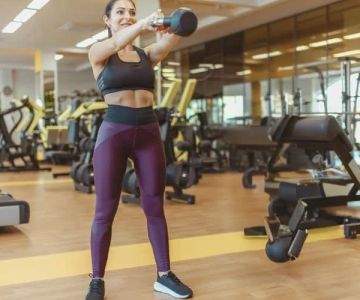
- Free Weights: Exercises using dumbbells, kettlebells, and barbells can target multiple muscle groups and are essential for building strength and power.
- Bodyweight Exercises: Push-ups, squats, lunges, and planks are excellent bodyweight exercises that build functional strength without the need for equipment.
- Resistance Bands: These provide a low-impact way to strengthen muscles and are particularly useful for targeting smaller stabilizing muscles.
- Machine Weights: Machines can help isolate specific muscle groups and are good for beginners or those looking to work on technique.
- Plyometrics: Explosive exercises like jump squats, box jumps, and burpees help improve speed, power, and coordination, which are crucial for athletes.
Real-Life Example: How Strength Training Transformed Performance
Take the example of Alex, a competitive runner who struggled with maintaining his speed during long races. After incorporating strength training into his weekly routine, focusing on lower-body exercises like squats and lunges, he noticed a significant improvement in his endurance and speed. Within months, Alex shaved 30 seconds off his 5k time, attributing the improvement to increased muscle strength and power. His experience demonstrates how strength training can enhance an athlete’s performance, even in endurance-focused sports like running.
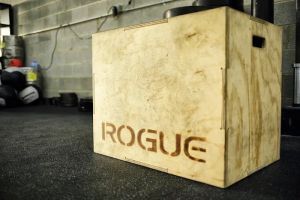
MoCo CrossFit / moco crossfit
RockvilleMontgomery CountyMaryland
15265 Display Ct, Rockville, MD 20850, USA
Additional Tips for Maximizing Strength Training Results
To maximize the benefits of strength training, keep these tips in mind:
- Consistency is Key: Incorporate strength training into your routine at least 2-3 times per week for optimal results.
- Get Proper Rest: Allow your muscles time to recover between strength training sessions. Overtraining can lead to injury and hinder progress.
- Fuel Your Body: Proper nutrition is essential to support your strength training efforts. Make sure to consume enough protein, healthy fats, and carbohydrates to promote muscle growth and recovery.
- Work with a Coach: If you’re new to strength training, consider working with a coach to learn proper form and technique. This will help you avoid injury and get the most out of your workouts.



 The Camp Transformation Center4.0 (77 reviews)
 MindShift Gym5.0 (1 reviews)
 StretchLab Jackson Township4.0 (148 reviews)
 Anytime Fitness4.0 (80 reviews)
 MV Fitness4.0 (56 reviews)
 Strength Society GA5.0 (11 reviews)
 How to Use Tempo Runs and Strength Training to Build a Faster, More Resilient Runner This Autumn
 Beginner’s Guide to Healthy Lifestyle for a Balanced Start
 Cross-Training for Runners: Swimming, Rowing, and Strength Workouts That Reduce Injury
 How to Do Home Workouts Safely and Effectively
 How to Use Short, High-Quality Sessions to Maintain Fitness During a Busy Fall Work Season
 How to Use Progressive Overload Without Access to Heavy Weights This Autumn