

- -Understanding Common Workout Injuries
- -Proper Warm-Up and Cool-Down Techniques
- -How to Perform Exercises with Correct Form
- -The Role of Rest and Recovery in Injury Prevention
- -Stretching: The Key to Flexibility and Injury Prevention
- -Case Studies: Successful Injury-Free Training Stories
- -The Best Products for Safe Training
1. Understanding Common Workout Injuries
Injuries are unfortunately common in fitness routines, especially if proper precautions aren’t taken. Some of the most frequent workout injuries include strains, sprains, and overuse injuries, particularly in areas like the knees, back, and shoulders. Understanding these injuries is the first step in preventing them.

Anytime Fitness / anytime fitness scottsdale az
2240 N Scottsdale Rd Suite 106, Tempe, AZ 85288, USA
1.1 Common Causes of Workout Injuries
Injuries often occur due to improper technique, insufficient warm-up, or overexertion. For example, lifting too heavy a weight without proper form can lead to muscle strain or joint damage. Likewise, not allowing the body enough rest and recovery can cause overuse injuries, like tendinitis or stress fractures.

Flow Yoga Center / 1508 14th street nw
WashingtonDistrict of Columbia
1508 14th St NW, Washington, DC 20005, USA
1.2 Identifying Warning Signs
It’s essential to recognize the early warning signs of a potential injury. Discomfort or slight pain during exercise should never be ignored. Pain that increases with movement or persists even after rest is often an indication that you may have pushed your body too far and need to adjust your training routine.
2. Proper Warm-Up and Cool-Down Techniques
A proper warm-up and cool-down are essential for preventing injuries and ensuring optimal performance during your workouts. These steps prepare your body for physical activity and aid in recovery after exercise.
2.1 Warm-Up: Preparing Your Body for Exercise
A good warm-up increases your heart rate, loosens up your muscles, and prepares your body for more intense physical activity. Focus on dynamic stretches, like leg swings or arm circles, rather than static stretches, which are better suited for cooling down. A warm-up should last 5-10 minutes, gradually increasing in intensity.
2.2 Cool-Down: Promoting Recovery After Exercise
After your workout, a cool-down period helps your body transition back to a resting state. It allows your heart rate to return to normal and helps to prevent muscle stiffness and soreness. Static stretches, such as hamstring stretches and quad stretches, are ideal during the cool-down phase to enhance flexibility and reduce muscle tension.
3. How to Perform Exercises with Correct Form
One of the most important aspects of injury prevention is ensuring that you perform exercises with correct form. Poor form can lead to unnecessary strain on your muscles, joints, and ligaments, increasing the risk of injury.
3.1 Key Tips for Maintaining Proper Form
When performing exercises, focus on maintaining a neutral spine and avoiding excessive movements that could strain your joints. For example, when lifting weights, make sure to engage your core and avoid rounding your back. Keep your knees aligned with your toes during squats and lunges to protect your knees.
3.2 The Role of a Fitness Professional
If you’re new to a particular exercise or unsure about your form, consider seeking guidance from a certified personal trainer. They can correct your posture and ensure you’re using the proper technique to avoid injury while maximizing the benefits of your workout.
3.2.1 Importance of Form in Stretching
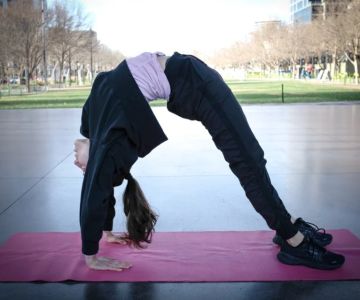
Form is just as important during stretching. Stretch gently, and avoid bouncing, as this can cause muscle strain. Hold each stretch for 20-30 seconds to allow your muscles to relax and lengthen without forcing them.
4. The Role of Rest and Recovery in Injury Prevention
Rest and recovery are often overlooked but are essential for preventing injuries and ensuring long-term fitness progress. Overtraining without adequate recovery can lead to burnout and injury.
4.1 Why Rest is Crucial
Rest allows your muscles, tendons, and ligaments to repair and rebuild. After intense workouts, especially strength training, your body needs time to recover. Overworking your body without proper rest can lead to overuse injuries and hinder your progress.
4.2 Active Recovery
On rest days, consider engaging in low-impact activities like walking, swimming, or yoga. These activities promote blood flow and flexibility without putting strain on your body, allowing you to recover while staying active.
4.2.1 Sleep and Recovery
Sleep is another vital component of recovery. During sleep, your body releases growth hormones that aid in muscle repair and recovery. Aim for 7-9 hours of sleep each night to ensure optimal recovery and performance.
5. Stretching: The Key to Flexibility and Injury Prevention
Stretching is essential for improving flexibility, increasing range of motion, and reducing muscle tension. Regular stretching can help prevent injuries and improve your overall workout performance.
5.1 Static vs. Dynamic Stretching
Dynamic stretching, which involves moving your muscles through their full range of motion, is ideal for warming up before exercise. Static stretching, which involves holding a stretch for a period of time, is best done after exercise to help with flexibility and muscle recovery.
5.2 Target Areas for Stretching
Focus on stretching the areas that are most prone to injury, such as the hamstrings, calves, hips, shoulders, and back. These muscle groups are engaged in many exercises, and tightness in these areas can lead to discomfort or injury if not properly addressed.
5.2.1 Incorporating Stretching into Your Routine
Make stretching a regular part of your fitness routine by including it at the beginning and end of your workouts. This can help maintain flexibility and reduce the risk of injuries, allowing you to train consistently and safely.
6. Case Studies: Successful Injury-Free Training Stories
Real-life examples of people who have successfully avoided injuries while training can inspire you to adopt injury-prevention strategies in your own routine. Here are a few success stories.
6.1 A Runner’s Journey to Injury-Free Training
One avid runner shared how incorporating proper warm-up techniques, strength training, and regular stretching into their routine helped prevent common running injuries like shin splints and runner’s knee. By focusing on recovery and avoiding overtraining, they were able to run injury-free for years.
6.2 A Weightlifter’s Approach to Safe Lifting
A weightlifter explained how learning the proper form for lifting and including rest days in their training program helped them avoid shoulder and lower back injuries. They also emphasized the importance of gradually increasing weight to prevent overloading their muscles.
6.2.1 Lessons Learned from These Stories
Both of these success stories highlight the importance of injury prevention strategies such as proper technique, adequate recovery, and listening to your body. By adopting these practices, you can enjoy a safe and effective workout routine without the risk of injury.
7. The Best Products for Safe Training
Using the right tools and equipment can make a big difference in ensuring safe and injury-free training. Here are some recommended products to help you train safely:
7.1 Foam Rollers for Muscle Recovery
Foam rollers help relieve muscle tightness, improve circulation, and aid in muscle recovery after a workout. Incorporating foam rolling into your routine can help reduce the risk of injury by promoting flexibility and muscle relaxation.
7.2 Proper Footwear
Wearing the right shoes for your workout is essential for preventing injuries, especially in high-impact exercises like running and jumping. Proper footwear provides support and cushioning to protect your feet and joints.
To make the most of your injury-free training, visit Hot Fitness for a wide selection of products designed to help you train safely and effectively. Start prioritizing injury prevention today to enjoy long-lasting fitness results!





 DeWitt Fitness Center4.0 (14 reviews)
 Planet Fitness4.0 (803 reviews)
 Foundation Fitness Center2.0 (3 reviews)
 Commuter Fitness4.0 (25 reviews)
 Built Body Fitness4.0 (53 reviews)
 GetUFit Personal Wellness5.0 (23 reviews)
 10 Mistakes to Avoid in Your Workout – Improve Performance & Prevent Injuries
 Best Apps to Track Your CrossFit Progress and Achieve Your Fitness Goals
 Why Everyone Should Try Cardio: The Benefits and Importance of Cardiovascular Exercise
 Science-Backed Tips for Improving Your Training Effectiveness
 Advanced Techniques for Better Fitness Results to Break Plateaus
 How Weight Loss Can Transform Your Body: Physical and Mental Benefits