

Best Exercises for Strengthening Core and Lower Back
- Core Strengthening Exercises
- Lower Back Exercises
- Benefits of Core and Lower Back Strength
- Tips for a Successful Exercise Routine
Core Strengthening Exercises
Strong core muscles are essential for maintaining good posture, supporting your spine, and preventing lower back pain. Here are some of the best core exercises:
- Planks – Hold your body in a straight line from head to heels, engaging your core. Start with 30-second holds and gradually increase time.
- Russian Twists – Sit with your feet off the ground, lean back slightly, and twist your torso from side to side while holding a weight or medicine ball.
- Dead Bug – Lie on your back, extend one arm and the opposite leg while keeping your lower back pressed into the floor, then return to starting position and switch sides.
Lower Back Exercises
A strong lower back is crucial for preventing strain and injury. Here are some of the best exercises to target your lower back:
- Bridges – Lie on your back with your knees bent, feet flat on the floor, and lift your hips towards the ceiling, squeezing your glutes and lower back.
- Superman – Lie face down and simultaneously lift your arms, chest, and legs off the ground as if you're flying. This targets both your lower back and glutes.
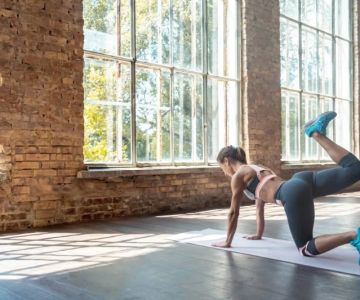
- Bird Dogs – Begin on hands and knees, extend your right arm and left leg simultaneously, then return to starting position and switch sides.
Benefits of Core and Lower Back Strength
Strengthening your core and lower back muscles offers a wide range of benefits, including:
- Improved posture, reducing slouching and back pain.
- Enhanced athletic performance in sports and daily activities.
- Prevention of injuries, particularly in the lower back and hips.
- Better balance and stability, which can reduce the risk of falls.
Tips for a Successful Exercise Routine
To maximize the effectiveness of your workout routine, follow these tips:
- Consistency – Aim to work on your core and lower back muscles at least two to three times a week for optimal results.
- Progressive Overload – Gradually increase the difficulty of your exercises by adding weights or extending hold times.
- Warm Up and Cool Down – Proper warm-up before your workout and stretching afterward are essential to prevent injuries.
- Incorporate Flexibility Training – Stretching helps maintain flexibility, reducing muscle tightness and supporting muscle recovery.
By integrating these exercises into your workout routine, you can strengthen your core and lower back, reducing the risk of injury and improving overall mobility and function.



 The Camp Transformation Center4.0 (77 reviews)
 MindShift Gym5.0 (1 reviews)
 StretchLab Jackson Township4.0 (148 reviews)
 Anytime Fitness4.0 (80 reviews)
 MV Fitness4.0 (56 reviews)
 Strength Society GA5.0 (11 reviews)
 How to Use Tempo Runs and Strength Training to Build a Faster, More Resilient Runner This Autumn
 Beginner’s Guide to Healthy Lifestyle for a Balanced Start
 Cross-Training for Runners: Swimming, Rowing, and Strength Workouts That Reduce Injury
 How to Do Home Workouts Safely and Effectively
 How to Use Short, High-Quality Sessions to Maintain Fitness During a Busy Fall Work Season
 How to Use Progressive Overload Without Access to Heavy Weights This Autumn