Cross-Training for Runners: Why It’s Essential
php-templateCopy code- Benefits of Cross-Training for Runners
- Swimming: A Low-Impact Cross-Training Option
- Rowing for Runners: Full-Body Workout
- Strength Workouts: Building Core and Leg Strength
- Real-Life Examples of Cross-Training Success
1. Cross-Training for Runners: Why It’s Essential
Running is a fantastic cardiovascular exercise, but it can also be tough on the body. Over time, repetitive motions can lead to injury, especially if runners fail to include variety in their training. Cross-training is the solution to this problem, as it allows runners to build strength, improve endurance, and reduce the risk of overuse injuries.
By incorporating different forms of exercise, such as swimming, rowing, and strength workouts, runners can target muscles that aren’t used as much during running. This balanced approach enhances overall fitness and helps keep runners injury-free while improving performance.
2. Benefits of Cross-Training for Runners
Cross-training offers a range of benefits that help runners stay healthy and improve their running performance. Here are some of the most significant advantages:
- Injury Prevention: By varying your workouts, cross-training helps prevent overuse injuries that are common among runners, such as shin splints or tendinitis.
- Improved Cardiovascular Fitness: Different exercises can enhance heart and lung health, boosting your stamina and endurance for long-distance runs.
- Muscle Balance: Running predominantly works the legs, but cross-training can target other muscle groups, such as the core and upper body, helping to prevent imbalances and improve overall strength.
- Reduced Impact: Swimming and rowing provide low-impact options that are gentler on the joints, which can be a great recovery workout after hard runs or races.
3. Swimming: A Low-Impact Cross-Training Option
Swimming is one of the best low-impact cross-training activities for runners. It’s gentle on the joints while providing an excellent cardiovascular workout. Swimming helps build muscle endurance and strength in the core, arms, and legs without placing additional strain on the body.
For runners, swimming offers several benefits:
- Core Strength: Swimming forces you to engage your core, helping to improve posture and running form.
- Active Recovery: After a long run or race, swimming is a great way to stay active while allowing the muscles to recover without the high impact of running.
- Enhanced Lung Capacity: The rhythmic breathing in swimming helps improve lung capacity, which can be beneficial for endurance during runs.
4. Rowing for Runners: Full-Body Workout
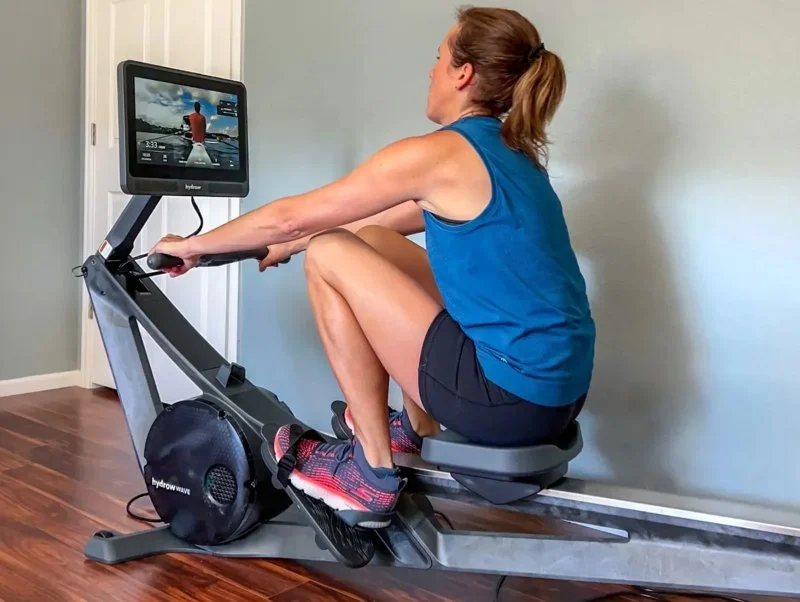
Rowing is another effective cross-training exercise that offers a full-body workout. It engages the legs, core, and arms, making it a great complement to running. Rowing is especially beneficial because it mimics the natural motion of running while involving more muscles, promoting overall strength and endurance.
Key benefits of rowing for runners include:
- Leg Strength: Rowing works the legs, especially the quads, hamstrings, and glutes, helping to enhance your running power.
- Upper Body Strength: Unlike running, rowing activates the arms, shoulders, and back, helping to create a balanced strength profile.
- Low Impact: Like swimming, rowing is a low-impact exercise that allows for effective training without straining the joints.
5. Strength Workouts: Building Core and Leg Strength
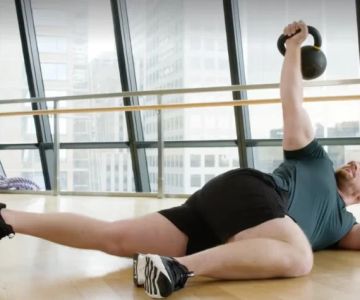
Strength training is an essential component of any runner’s training program. Building core and leg strength helps improve running efficiency, prevents injuries, and enhances overall performance. Targeting muscles like the glutes, hamstrings, quads, and calves can provide better stability and power, leading to faster and more efficient running.
Some effective strength exercises for runners include:
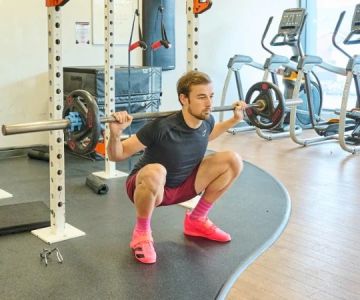
- Squats: Squats strengthen the legs, particularly the quads, glutes, and hamstrings, improving running power.
- Lunges: Lunges improve stability and target the hip flexors, quads, and glutes, which are crucial for stride length and overall running form.
- Planks: Planks help strengthen the core, which is vital for maintaining good posture and proper form during runs.
Incorporating these strength exercises into your weekly routine will not only build muscle but also reduce the risk of injuries caused by weak muscles or imbalances.

POWER+FLOW / orangetheory fitness scottsdale
ScottsdaleMaricopa CountyArizona
7750 E McDowell Rd UNIT 103, Scottsdale, AZ 85257, USA
6. Real-Life Examples of Cross-Training Success
Consider the story of Emily, a marathon runner who struggled with recurring injuries due to overuse. After incorporating cross-training into her routine, she noticed a significant improvement in her performance and a decrease in injuries. Emily added swimming and rowing into her weekly schedule, alternating them with strength workouts. This balanced approach allowed her to recover more effectively, build muscle, and stay injury-free during her training.
Similarly, many professional runners use cross-training to complement their running workouts. For example, Olympic marathoner Meb Keflezighi has long used swimming and cycling to stay in peak shape without overloading his running muscles. This approach has helped him maintain longevity in the sport while preventing injuries.
7. Trustworthy Tips for Cross-Training Success
Here are a few tips to maximize the benefits of cross-training and stay injury-free:
- Start Slow: If you’re new to cross-training, start with one or two cross-training activities per week and gradually increase intensity and duration.
- Mix It Up: Don’t rely on just one cross-training exercise. A variety of activities, such as swimming, rowing, and strength training, will provide a well-rounded fitness profile.
- Listen to Your Body: Make sure to balance cross-training with your running schedule to avoid overtraining. Pay attention to any signs of fatigue or discomfort and adjust accordingly.
For the best gear to enhance your cross-training workouts, visit Hot Fitness to find high-quality products tailored to your needs, whether it’s for swimming, rowing, or strength training.




 The LAB4.0 (36 reviews)
 Rhuomai Studio5.0 (33 reviews)
 Body & Brain Yoga Tai Chi5.0 (181 reviews)
 Iron Flag Fitness5.0 (149 reviews)
 YogaSix Redmond4.0 (163 reviews)
 Prime Time Fitness4.0 (42 reviews)
 30-Minute HIIT Routines for Fall: Efficient Workouts When Daylight Is Shorter
 The Benefits of Daily Muscle Gain for Strength, Health, and Confidence
 10 Mistakes to Avoid in Muscle Gain: Maximize Your Workout Progress
 The Best Ways to Recover After a Tough Fall Race Weekend: Protocols and Timelines
 Best Apps to Track Your Home Workout Progress for Consistent Results
 The Benefits of Daily Muscle Gain – A Comprehensive Guide