
- 1. Understanding Cold-Weather Endurance Events
- 2. The Importance of Resilience in Cold-Weather Events
- 3. What are Progressive Conditioning Blocks?
- 4. How to Build Resilience with Progressive Conditioning Blocks
- 5. Real-World Examples of Cold-Weather Endurance Training
1. Understanding Cold-Weather Endurance Events
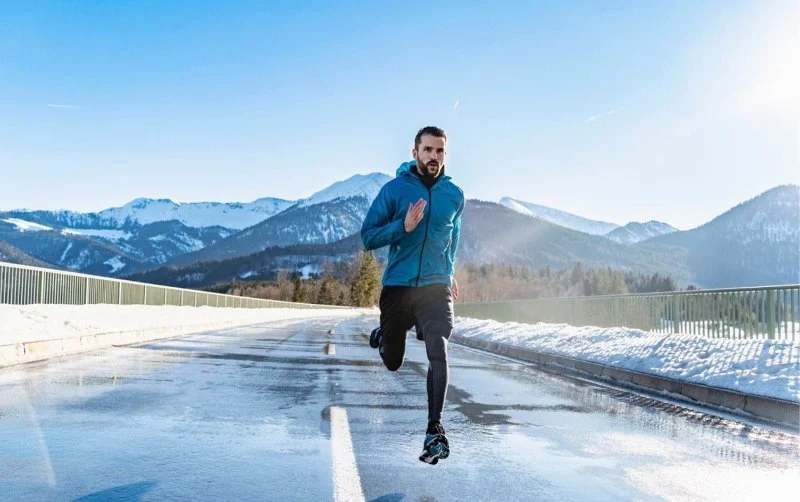
Cold-weather endurance events, such as winter ultramarathons, snowshoe races, and arctic expeditions, challenge athletes to perform in extreme cold temperatures. These events require not only physical endurance but also mental resilience to tackle the unique environmental challenges. Competing in cold-weather conditions demands a combination of preparation, technique, and adaptation to the harsh elements.

Unleash’d Strength Gym / unleashed strength gym
9133 Andrew Dr, Manassas Park, VA 20111, USA
2. The Importance of Resilience in Cold-Weather Events
Resilience is the ability to withstand or recover quickly from difficult conditions. In cold-weather endurance events, resilience plays a critical role in an athlete's performance. The cold, wind, snow, and ice can lead to fatigue, discomfort, and even injury. Building resilience allows athletes to push through these obstacles, stay focused, and perform at their best. Mental toughness, combined with physical preparation, is what separates those who can finish the race from those who are forced to quit.

2.1 Mental Toughness and Focus
Cold-weather endurance events often push athletes to their limits. The ability to remain focused and calm, even when discomfort sets in, is crucial. Mental resilience can be trained just as much as physical stamina, and athletes should include mental exercises in their training to improve focus, overcome doubts, and maintain a positive attitude in the face of adversity.
2.2 Physical Resilience
Physical resilience is equally important for athletes in cold-weather endurance events. Exposure to extreme cold can slow down the body’s metabolic processes, and without proper conditioning, it becomes difficult to maintain energy levels. Building physical endurance, strength, and flexibility through progressive conditioning is key to managing these conditions effectively.
3. What are Progressive Conditioning Blocks?
Progressive conditioning blocks refer to a structured approach to building physical and mental resilience over time. By gradually increasing the intensity, duration, and complexity of training, athletes can prepare their bodies to endure the challenges of cold-weather events. These blocks typically start with foundational training and progressively build towards more challenging, event-specific conditioning. This approach helps avoid overtraining and ensures athletes can handle the demands of cold-weather events without risking injury or burnout.
3.1 The Phases of Progressive Conditioning
The progressive conditioning process is divided into several phases, each focusing on a different aspect of endurance. The phases include:
3.1.1 Base Conditioning
In this phase, the goal is to build a strong aerobic foundation. Athletes focus on long, steady-state training sessions, such as long runs or hikes, to improve cardiovascular endurance. This phase helps the body adapt to prolonged physical activity and builds the stamina necessary for cold-weather endurance events.
3.1.2 Strength and Power Development
The next phase focuses on developing strength and power, crucial for tackling the uneven, snow-covered terrain common in cold-weather events. Exercises like strength training, sled pushes, and hill climbs help improve overall muscle strength, while specific power exercises build explosiveness for uphill ascents and rapid movement in cold conditions.
3.1.3 Event-Specific Conditioning
In this phase, athletes train in conditions similar to those they will face during the actual event. This might include cold-weather runs, snowshoeing, or using resistance to simulate the effects of wind and snow. Event-specific conditioning is critical to adapting the body to the specific demands of the race, ensuring that the athlete is physically prepared to handle the cold and any environmental challenges.
4. How to Build Resilience with Progressive Conditioning Blocks
To build resilience for cold-weather endurance events, athletes should follow a detailed training plan that incorporates all the phases of progressive conditioning. Here are some essential tips for getting started:
4.1 Start Slow and Gradually Increase Intensity
Start with the basics—long, steady runs and gradually increase the distance and intensity. Avoid pushing too hard too soon. Begin by building a strong aerobic base, then work on improving strength and power through specific exercises. As your body becomes accustomed to the training, increase the challenge by incorporating cold-weather simulations like running in the snow or in freezing temperatures.
4.2 Focus on Mental Conditioning
Building mental resilience is just as important as physical training. Consider adding mindfulness exercises, meditation, and visualization techniques to your routine. These methods can help you manage stress, stay focused, and cultivate mental toughness when faced with extreme cold and exhaustion during your event.
4.3 Train in Realistic Conditions
Whenever possible, train in conditions that simulate the event. Whether it’s running in cold temperatures or wearing a weighted vest to simulate the load of carrying gear in deep snow, training in similar conditions can help you acclimate and build confidence. The more prepared you are for the physical and mental challenges, the better you will perform on the day of the event.
5. Real-World Examples of Cold-Weather Endurance Training
Many athletes have successfully used progressive conditioning blocks to prepare for cold-weather endurance events. Here are some examples of how training has been applied in real-life scenarios:
5.1 The Yukon Arctic Ultra
The Yukon Arctic Ultra is one of the world’s coldest ultra-races, with participants facing extreme cold and unpredictable terrain. Athletes preparing for this race follow a detailed, progressive conditioning plan that includes long-distance running, sled-pulling, and training in subzero temperatures. The key to success is slowly building endurance and strength while also developing the mental resilience to face the harsh conditions.
5.2 The Iditarod Trail Invitational
Another example is the Iditarod Trail Invitational, a 350-mile race across Alaska’s frozen wilderness. Participants must be able to handle extreme cold, long hours of movement, and physical exhaustion. Successful athletes have used progressive conditioning blocks to gradually build up their ability to manage these stressors, with a particular focus on cold-weather running, gear management, and sleep deprivation training.
For more tips on preparing for cold-weather endurance events, visit Hot Fitness for expert guidance on training and gear recommendations!






 24 Hour Fitness3.0 (563 reviews)
 Iyengar Yoga South Bay5.0 (15 reviews)
 Equilibrium Pilates Studio5.0 (107 reviews)
 Elite Pro Boxing4.0 (27 reviews)
 Retro Fitness4.0 (531 reviews)
 (Muay Thai Gym) Sitan Gym Arizona LLC4.0 (193 reviews)
 Cold Exposure and Sauna Use for Recovery: What the Research Says in 2025
 How to Use Short Strength Sessions to Maintain Muscle During High Mileage Weeks
 The Ultimate Home Workout Routine: Stay Fit and Healthy at Home
 Pilates Ball Workouts for Strength and Stability — No Reformer Required
 Science-Backed Tips for Improving Your Healthy Lifestyle
 Why Everyone Should Try Exercise: Benefits and Tips for Getting Started