
How HIIT Can Transform Your Body
- 1. Understanding HIIT: What Is It?
- 2. Why HIIT Is Effective for Transformation
- 3. Physical Benefits of HIIT
- 4. Mental Benefits of HIIT
- 5. How to Start a HIIT Routine
- 6. Common HIIT Myths and Facts
- 7. Recommended Products for HIIT Workouts
1. Understanding HIIT: What Is It?
High-Intensity Interval Training (HIIT) is a form of cardiovascular exercise that alternates between short bursts of intense activity and periods of lower-intensity recovery or rest. This training method can be done with various exercises like sprinting, cycling, or bodyweight exercises, and it’s designed to push your body to its maximum capacity for short, intense periods. HIIT has gained popularity in recent years due to its ability to provide significant fitness results in a shorter amount of time compared to traditional workouts.
One of the key features of HIIT is that it maximizes calorie burn in a condensed workout period, making it ideal for individuals with busy schedules looking to achieve optimal fitness results. But it’s not just about burning calories—it’s about improving cardiovascular health, building strength, and increasing endurance.
2. Why HIIT Is Effective for Transformation
HIIT’s effectiveness comes from the principle of working at maximum intensity for short periods, followed by active rest. This approach offers several benefits:
- Time Efficiency: Traditional cardio exercises may take longer, but HIIT can provide the same (or even better) results in as little as 20-30 minutes.
- Fat Loss: HIIT workouts have been shown to reduce body fat, particularly visceral fat, by boosting metabolism and enhancing calorie burn even after the workout is over (known as the "afterburn" effect).
- Improved Endurance and Strength: By alternating between high-intensity and recovery periods, HIIT challenges both the aerobic and anaerobic systems of the body, leading to improved endurance, strength, and cardiovascular health.
3. Physical Benefits of HIIT
The physical benefits of HIIT are numerous, ranging from fat loss to improved cardiovascular health. Some of the key physical benefits include:
- Increased Fat Loss: Due to the high intensity of the workouts, HIIT increases calorie burn and fat oxidation, which can lead to a reduction in body fat percentage over time.
- Muscle Tone and Strength: HIIT workouts often incorporate bodyweight exercises or weightlifting, which help improve muscle tone and overall strength.
- Improved Heart Health: HIIT has been shown to improve heart health by increasing heart rate variability and enhancing the function of the cardiovascular system.
- Boosted Metabolism: The intensity of HIIT promotes a higher metabolic rate, meaning you continue burning calories even after the workout ends.
4. Mental Benefits of HIIT
In addition to its physical benefits, HIIT has a positive impact on mental health. Here’s how:
- Reduced Stress: HIIT stimulates the production of endorphins, which are natural mood elevators that can help reduce stress and anxiety.
- Improved Focus: The intensity of HIIT workouts can improve mental clarity and focus, helping you stay sharp throughout the day.
- Increased Confidence: The sense of accomplishment after completing a challenging HIIT session can boost self-confidence and improve overall mental well-being.
5. How to Start a HIIT Routine
Starting a HIIT routine can be intimidating, but it’s important to start slow and gradually increase the intensity. Here are some steps to get you started:
- Assess Your Fitness Level: If you are new to exercise or have any health concerns, it’s important to consult with a healthcare professional before starting a HIIT program.
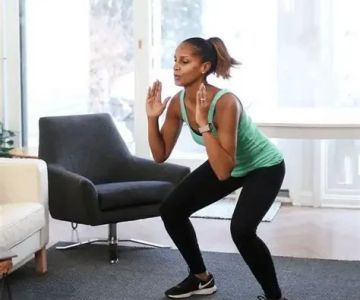
- Begin with Simple Movements: Start with basic exercises like jumping jacks, squats, or push-ups to build your endurance before advancing to more complex movements.
- Start with Short Sessions: Begin with 15-20 minute sessions and gradually increase the duration as your fitness improves.
- Progress Gradually: As you become more comfortable with HIIT, increase the intensity by reducing rest periods or adding more challenging exercises to your routine.
6. Common HIIT Myths and Facts
Despite its popularity, there are many misconceptions about HIIT. Here are some myths and facts to help clarify them:
- Myth: HIIT is only for advanced athletes.
Fact: HIIT can be adapted to any fitness level, from beginners to advanced athletes. Starting with low-impact exercises is a great way to ease into it. - Myth: HIIT causes muscle loss.
Fact: When done correctly, HIIT can actually help build muscle, particularly when combined with strength exercises. - Myth: You need to do HIIT every day to see results.
Fact: While HIIT is effective, it’s important to give your body time to recover. Two to three sessions per week are sufficient for most people.
7. Recommended Products for HIIT Workouts
To make your HIIT workouts more effective, having the right equipment can help. Here are some recommended products:
- Resistance Bands: Great for adding intensity to bodyweight exercises like squats and lunges.
- Jump Rope: A fantastic tool for cardio and improving coordination during HIIT sessions.
- Dumbbells or Kettlebells: Add extra resistance to exercises like squats, lunges, or swings to build strength.
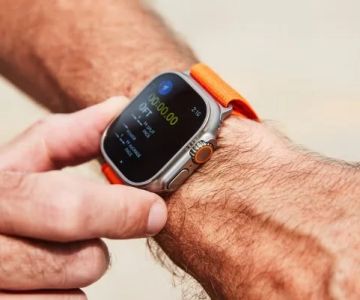
- Fitness Tracker: Track your heart rate and progress with a fitness tracker to monitor your improvements.
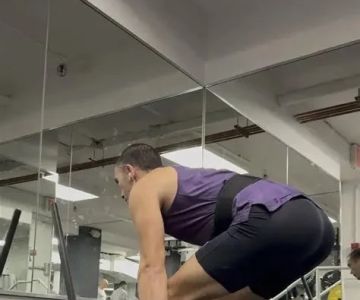


 Barry's Santa Monica5.0 (42 reviews)
 The Edge Fitness Clubs4.0 (571 reviews)
 Beautifitstrong Fitness Studio4.0 (11 reviews)
![[solidcore] Bismarck](https://img.hotfitness.net/d29/2509/2578402156720846_150x150.webp) [solidcore] Bismarck5.0 (18 reviews)
[solidcore] Bismarck5.0 (18 reviews) Philly Fitness on North Broad5.0 (9 reviews)
 Retro Fitness4.0 (163 reviews)
 The Best Strength Training for Busy People: Effective Workouts in Less Time
 How to Build a Sustainable Running Routine That Survives Shorter Fall Days and Busy Schedules
 The Complete Guide to Foam Roller and Mobility Ball Techniques for Runners
 How to Incorporate Weight Loss Into Your Day – Practical Tips for Success
 How to Do Exercise Safely and Effectively: Tips for a Better Workout
 The Best Mobility and Activation Drills to Improve Squat Depth and Safety This Fall