
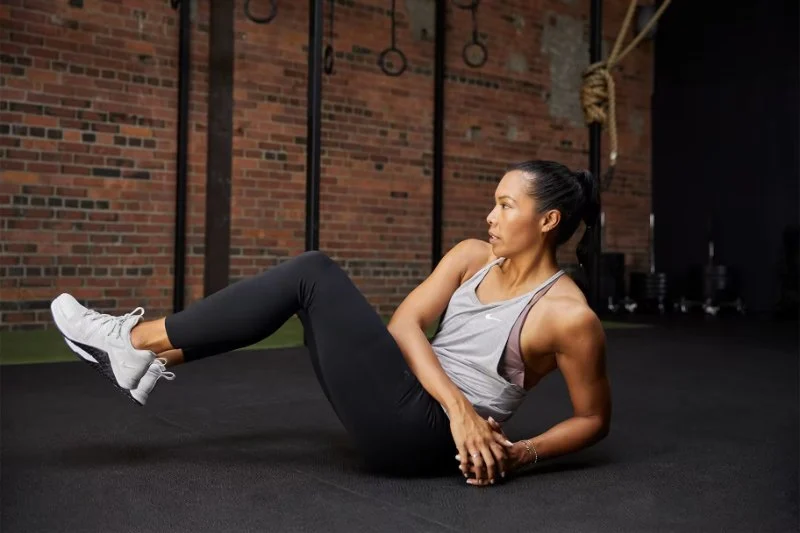
- Why Exercise Safety Is Important
- Tips for Exercising Safely
- How to Prevent Injury While Exercising
- Choosing the Right Exercise for Your Fitness Level
- When to Seek Professional Help
Why Exercise Safety Is Important
Exercise is essential for maintaining good health and improving fitness, but doing it safely is just as important. Improper form, overtraining, or using unsuitable equipment can lead to injuries, some of which may be long-lasting or severe. By ensuring that you exercise safely, you can enjoy the full benefits of physical activity without putting your body at unnecessary risk.
Safety is not just about avoiding injuries—it's also about maximizing the effectiveness of your workouts. Proper techniques and mindful practices help you get the most out of your exercise, ensuring you build strength, flexibility, and endurance efficiently while reducing the chance of setbacks.
The Nest Movement Studio / the nest movement studio
7600 Hearthside Way Suite 100, Elkridge, MD 21075, USA
Tips for Exercising Safely
To make the most of your workout while staying safe, it’s essential to incorporate a few basic safety tips:
- Warm Up and Cool Down: Always start your workout with a warm-up to prepare your muscles and joints for exercise. This helps increase blood flow and flexibility, reducing the risk of strains. Likewise, cooling down after a workout helps your muscles recover and reduces soreness.
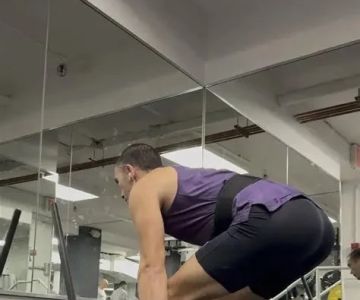
- Use Proper Form: Performing exercises with improper form can lead to injury. If you’re unsure of your form, consider working with a fitness trainer or using mirrors to check your posture. Simple adjustments, like keeping your knees aligned during squats, can prevent injuries.
- Progress Gradually: Avoid jumping into intense exercises too quickly, especially if you are a beginner. Gradually increase the intensity and duration of your workouts to allow your body to adapt and prevent overuse injuries.
- Listen to Your Body: Pay attention to how your body feels during exercise. If something hurts, stop immediately and assess the situation. Pushing through pain can lead to more severe injuries, so it’s better to take breaks or modify your routine as needed.
How to Prevent Injury While Exercising
Injury prevention is key to maintaining a consistent fitness routine. By following some simple strategies, you can keep injuries at bay:
- Wear Proper Footwear: The right shoes for your workout are essential for providing support and cushioning. Whether you're running, lifting weights, or doing yoga, wearing shoes that fit well and are designed for your activity helps prevent joint and muscle injuries.
- Stay Hydrated: Dehydration can increase the risk of injury, especially during intense workouts. Ensure you drink enough water before, during, and after your exercise session to keep your muscles functioning properly.
- Don’t Skip Rest Days: Overtraining without adequate recovery time can lead to burnout and injury. Make sure to incorporate rest days into your fitness routine to allow your body to repair and rebuild itself.
- Stretch Regularly: Flexibility is an important aspect of injury prevention. Stretching after workouts helps maintain and improve flexibility, reducing the chances of muscle strains and sprains.
Choosing the Right Exercise for Your Fitness Level
Choosing exercises that match your fitness level is vital for both safety and effectiveness. If you’re new to exercising or returning after a break, start with beginner-friendly activities that build your strength and stamina gradually. For instance, start with low-impact cardio like walking, swimming, or cycling before progressing to more intense workouts like running or HIIT.
It’s also essential to listen to your body and avoid pushing too hard at first. If you’re unsure where to begin, consider consulting a fitness trainer who can design a personalized exercise plan tailored to your needs and goals.

Equinox East 63rd Street / equinox e 63rd
New YorkNew York CountyNew York
817 Lexington Ave, New York, NY 10065, USA
When to Seek Professional Help
While exercising is beneficial, there may be times when it’s wise to seek professional advice or assistance:
- If You Experience Pain: If you experience persistent pain, especially during exercise, it's important to consult with a medical professional to rule out injury or underlying conditions.
- If You’re New to Exercise: If you're new to exercise or have health concerns, working with a personal trainer or fitness expert can help you learn the correct techniques and avoid mistakes that could lead to injury.
- If You Have an Existing Medical Condition: For individuals with medical conditions like heart disease, diabetes, or joint problems, it’s crucial to get clearance from your doctor before starting any new exercise program. A doctor can provide advice on safe exercises that won't exacerbate your condition.
Whether you're just starting your fitness journey or you’ve been exercising for years, it’s essential to focus on safety and listen to your body. Regular exercise can significantly improve your health, but it’s important to do it safely to avoid injury and achieve long-term results. If you're looking for expert advice, workout routines, or fitness products to support your goals, visit Hot Fitness for the best resources tailored to your needs.



 The Pilates Extension0.0 (0 reviews)
 Scottsdale Indoor Cycling5.0 (17 reviews)
 CrossFit Lehigh Valley4.0 (37 reviews)
 Onyx Athletic Club5.0 (24 reviews)
 Power Moves Personal Training Studio5.0 (44 reviews)
 Body Empowerment LLC5.0 (1 reviews)
 The Best At-Home Lower-Body Circuits to Improve Stamina and Power for Trail Running
 How to Balance High-Intensity Workouts with Quality Sleep and Nutrition During Busy Fall Months
 Why HIIT Is the Secret to Your Success | Benefits of High-Intensity Training
 How to Build a Fall Prehab Routine That Prevents Running and Lifting Injuries
 10 Mistakes to Avoid in Bodyweight Training
 How to Program Recovery Weeks Around Race Schedules to Maximize Performance Gains