
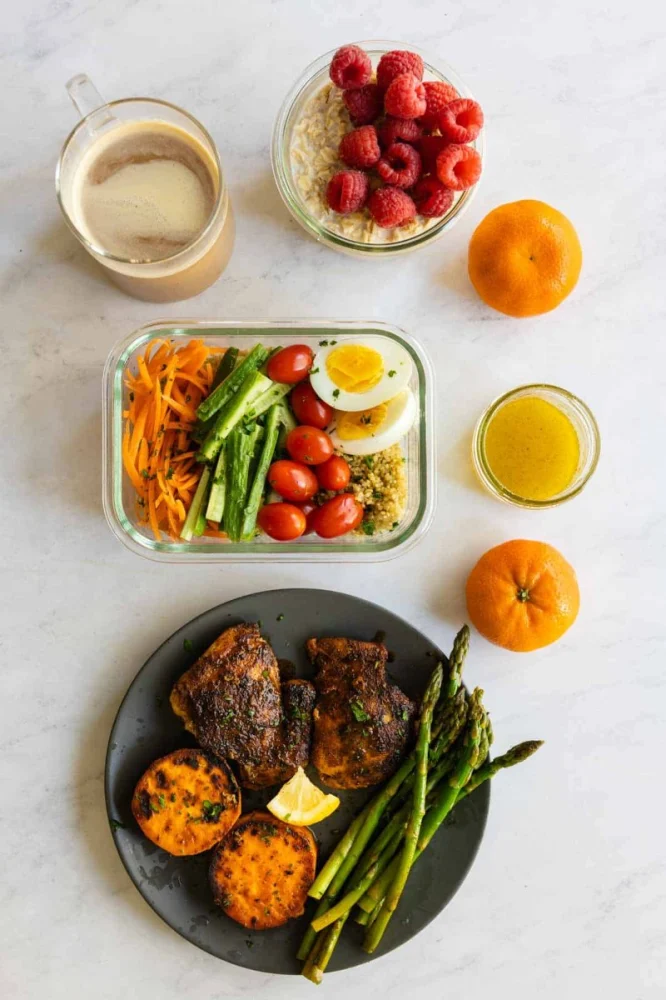
- 1. What is Clean Eating?
- 2. Benefits of Clean Eating for Fitness
- 3. Foods to Include in Your Clean Eating Diet
- 4. Foods to Avoid for Clean Eating
- 5. How to Start Clean Eating for Fitness
- 6. Real-Life Success Stories with Clean Eating
1. What is Clean Eating?
Clean eating refers to the practice of choosing whole, minimally processed foods that are as close to their natural state as possible. It involves consuming foods that provide essential nutrients without added sugars, unhealthy fats, or excessive processing. Clean eating emphasizes whole grains, lean proteins, healthy fats, and plenty of fruits and vegetables.
For fitness enthusiasts, clean eating plays an integral role in fueling the body, improving performance, and supporting muscle recovery. Rather than following fad diets, clean eating encourages making better food choices that provide sustained energy and overall well-being.
2. Benefits of Clean Eating for Fitness
Adopting a clean eating approach can offer numerous benefits for those looking to enhance their fitness journey:

Planet Fitness / springfield planet fitness
SpringfieldHampden CountyMassachusetts
1387 Liberty St, Springfield, MA 01104, USA
2.1 Improved Energy Levels
One of the main benefits of clean eating is increased energy. By choosing nutrient-dense foods, your body receives the vitamins, minerals, and macronutrients it needs to perform at its best. Clean eating stabilizes blood sugar levels, preventing energy crashes that can occur from processed foods. This steady energy helps you power through workouts and daily activities.
2.2 Enhanced Muscle Recovery
Clean eating provides your body with the right balance of protein, healthy fats, and carbohydrates, which are essential for muscle repair and growth. Lean proteins, such as chicken, fish, and plant-based options like beans, support muscle recovery after workouts. Whole grains and healthy fats, such as those from avocados and olive oil, also aid in reducing inflammation and supporting overall fitness goals.
2.3 Supports Weight Loss
For those aiming to lose weight, clean eating can help by focusing on foods that are low in calories but high in nutrients. Whole foods, such as vegetables, fruits, and lean proteins, tend to be more filling and satisfying compared to processed foods, helping to reduce overeating. Additionally, the clean eating approach discourages consuming empty-calorie foods like sugary snacks, contributing to healthier weight management.
3. Foods to Include in Your Clean Eating Diet
To get started with clean eating for fitness, it’s important to focus on the right types of foods. Below are some key food groups to include in your clean eating diet:
3.1 Whole Grains
Whole grains are rich in fiber and essential nutrients like B vitamins and minerals. Examples include brown rice, quinoa, oats, and whole wheat. These grains are slower to digest, providing lasting energy and helping to stabilize blood sugar levels during workouts.
3.2 Lean Proteins
Protein is vital for muscle repair and growth. Choose lean sources of protein, such as skinless chicken, turkey, fish, tofu, and legumes. These options provide the necessary building blocks for muscles without excess fat, making them ideal for a fitness-focused diet.
3.3 Healthy Fats
Healthy fats support joint health and help absorb fat-soluble vitamins. Include sources of healthy fats such as avocados, olive oil, nuts, and seeds in your diet. These fats also provide sustained energy, especially during long workouts or endurance training.
3.4 Fruits and Vegetables
Fruits and vegetables are packed with vitamins, minerals, and antioxidants that are essential for overall health. They help reduce inflammation and protect the body from oxidative stress caused by intense exercise. Aim to fill half of your plate with colorful vegetables and fruits for a nutrient-rich, clean eating diet.
3.5 Hydration
Staying hydrated is a key part of clean eating. Water is essential for muscle function and performance, as well as for proper digestion and recovery. Consider drinking water before, during, and after your workout to keep your body well-hydrated and ready for optimal performance.
4. Foods to Avoid for Clean Eating
In addition to choosing healthy, whole foods, clean eating involves avoiding certain processed foods. Here are some foods to limit or avoid:
4.1 Refined Sugars
Refined sugars, found in sweets, sodas, and packaged snacks, provide little nutritional value and can lead to energy crashes. These empty calories can also contribute to weight gain and poor fitness performance. Avoid sugary snacks and opt for naturally sweet options like fruits instead.
4.2 Processed Foods
Processed foods, including ready-made meals and packaged snacks, are often high in unhealthy fats, sodium, and artificial additives. These foods can cause inflammation, slow down metabolism, and hinder your fitness progress. Stick to whole, unprocessed foods as much as possible for the best results.
4.3 Fried Foods
Fried foods are high in unhealthy trans fats, which can negatively affect your heart health and slow down your metabolism. To support your fitness goals, avoid deep-fried foods and opt for healthier cooking methods like grilling, steaming, or baking.
5. How to Start Clean Eating for Fitness
Starting clean eating for fitness doesn’t have to be overwhelming. Here are some simple steps to begin your journey:
5.1 Plan Your Meals
Start by planning your meals for the week. Create a grocery list that includes clean, whole foods like lean proteins, vegetables, fruits, and whole grains. Meal planning ensures that you stay on track and avoid the temptation of processed foods.
5.2 Cook at Home
Cooking at home allows you to control the ingredients and ensure that your meals are clean and nutritious. Experiment with clean recipes and try new ways to prepare vegetables and lean proteins. The more you cook, the easier it becomes to maintain a clean eating routine.
5.3 Focus on Portion Control
Even with clean foods, portion control is important for achieving fitness goals. Be mindful of serving sizes, and avoid overeating, even when consuming healthier options. Consider using smaller plates or tracking your food intake to help with portion control.
6. Real-Life Success Stories with Clean Eating
Many individuals have successfully transformed their fitness by adopting a clean eating diet. Here are a couple of inspiring success stories:
6.1 Emily's Weight Loss Journey
Emily, a 28-year-old woman, struggled with weight gain due to a diet full of processed foods. After switching to clean eating, she lost 25 pounds in six months and felt more energetic during her workouts. "I feel stronger and more confident in my body. Clean eating has really helped me improve my fitness and overall health," she says.
6.2 John's Fitness Transformation
John, a 35-year-old fitness enthusiast, adopted clean eating to fuel his workouts. By focusing on whole foods and avoiding processed snacks, he noticed an increase in his stamina and muscle definition. "Clean eating has been a game changer for me. My performance at the gym has improved, and my recovery time is faster," John shares.



 Orangetheory Fitness4.0 (341 reviews)
 Body & Soul Transformation5.0 (1 reviews)
 Life Time4.0 (34 reviews)
 Empower Muay Thai5.0 (13 reviews)
 Bueno Pilates5.0 (2 reviews)
 Fresh Yoga4.0 (19 reviews)
 The Best Strength Programming Strategies for Masters Athletes to Preserve Muscle and Function
 Best Post-Workout Recovery Practices to Strengthen Your Immune System During Fall Peaks
 20-Minute Morning Workout to Boost Energy and Burn Fat
 Beginner’s Guide to Gym: Starting Your Fitness Journey Right | Hot Fitness
 How to Use Progressive Overload Without Access to Heavy Weights This Autumn
 30-Minute HIIT Routines for Fall: Efficient Workouts When Daylight Is Shorter