

The Science of Creatine for Recreational Athletes: Benefits, Timing, and Myths
- 1-Understanding Creatine and Its Role in the Body
- 2-Benefits of Creatine for Recreational Athletes
- 3-When to Take Creatine: Timing and Dosage
- 4-Debunking Common Myths About Creatine
- 5-How to Incorporate Creatine into Your Fitness Routine
1. Understanding Creatine and Its Role in the Body
Creatine is one of the most widely studied and effective supplements used by athletes and fitness enthusiasts alike. It is a naturally occurring compound found in small amounts in certain foods and synthesized by the body. Creatine is primarily stored in the muscles and used as a quick energy source during short bursts of intense physical activity, such as sprinting or lifting heavy weights.
While creatine is often associated with bodybuilders or professional athletes, it has benefits for recreational athletes as well. Whether you’re into running, cycling, or recreational weightlifting, understanding how creatine works in your body can help you optimize your performance.

Phoenix Fitness / phoenix fitness glendale
GlendaleMaricopa CountyArizona
10160 N 67th Ave, Glendale, AZ 85302, USA
2. Benefits of Creatine for Recreational Athletes
For recreational athletes, creatine offers several notable benefits, making it a go-to supplement for those looking to enhance their training and performance. Here are some key benefits:
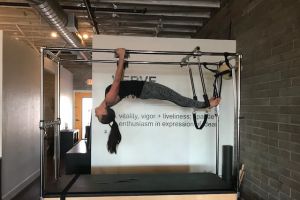
Studio Verve Pilates / verve pilates
4545 N 36th St Suite 113, Phoenix, AZ 85018, USA
2.1 Increased Strength and Power
One of the primary benefits of creatine supplementation is its ability to increase strength and power. Creatine helps replenish ATP (adenosine triphosphate), the primary energy source for muscle contractions. By increasing the availability of ATP, creatine allows athletes to perform more reps and lift heavier weights, leading to greater strength gains over time.
2.2 Enhanced Muscle Recovery
Creatine has also been shown to reduce muscle damage and inflammation, helping athletes recover more quickly after intense exercise. This means less soreness and a faster return to training, which is especially beneficial for those who engage in frequent or high-intensity workouts.
2.3 Improved Endurance in High-Intensity Activities
While creatine is often thought of as a supplement for weightlifting or sprinting, it can also benefit endurance athletes, particularly in high-intensity sports. For example, in activities like cycling or basketball, where bursts of intense energy are required, creatine can help improve performance by sustaining power output during repeated efforts.
2.4 Cognitive Benefits
Interestingly, recent studies have shown that creatine may also support cognitive function. This is due to its role in enhancing ATP production, which is not only crucial for muscle performance but also for brain function. Some research suggests that creatine supplementation may help improve focus, mental clarity, and overall brain performance, especially during mentally taxing activities.
3. When to Take Creatine: Timing and Dosage
The timing of creatine supplementation can be important for maximizing its benefits. Here’s a breakdown of the most effective timing strategies:
3.1 Loading Phase vs. Maintenance
There are two main approaches to creatine supplementation: the loading phase and the maintenance phase. The loading phase involves taking a higher dose (typically 20 grams per day) for about 5-7 days to saturate the muscles with creatine. After this, you switch to a maintenance phase of 3-5 grams per day. This approach helps to quickly increase muscle creatine stores, but some individuals may skip the loading phase and go directly to the maintenance phase, which is still effective, though it takes longer to see results.
3.2 Best Time to Take Creatine
While timing isn’t as critical as once thought, taking creatine post-workout has become the most popular recommendation. This is because your muscles are more receptive to nutrients following exercise, which may improve creatine uptake. However, taking it at any time of day is still effective as long as it’s taken consistently. Some athletes prefer taking it with a meal or a protein shake to enhance absorption.
3.3 Hydration is Key
Creatine can cause the muscles to retain water, which is why staying well-hydrated is essential when supplementing with creatine. Be sure to drink plenty of water throughout the day to avoid dehydration and maximize the benefits of creatine.
4. Debunking Common Myths About Creatine
Despite its widespread use, many myths surround creatine supplementation. Let’s address a few of the most common misconceptions:
4.1 Creatine Causes Dehydration
While creatine does cause your muscles to retain water, it does not lead to dehydration. In fact, research shows that creatine supplementation does not negatively affect hydration status or performance as long as you stay properly hydrated. The idea that creatine causes dehydration is simply a myth.
4.2 Creatine is Only for Bodybuilders
While creatine is often associated with bodybuilding, recreational athletes in all types of sports can benefit from its use. Whether you’re a runner, a cyclist, or a weekend warrior, creatine can help improve performance in activities that require short bursts of energy, power, and strength.
4.3 Creatine is Harmful to Kidneys
There’s a long-standing myth that creatine can damage the kidneys, but studies have shown that creatine supplementation is safe for healthy individuals when taken as directed. The key is to follow the recommended dosage and ensure proper hydration to avoid any potential issues.
5. How to Incorporate Creatine into Your Fitness Routine
To get the most out of creatine, it’s essential to incorporate it into your fitness routine properly. Here are some tips:
5.1 Start with a Loading Phase (Optional)
If you’re looking to see quick results, you can begin with a loading phase. Take 20 grams of creatine per day for 5-7 days, split into 4 doses throughout the day. This will help saturate your muscles with creatine faster. After the loading phase, switch to a maintenance dose of 3-5 grams per day.
5.2 Stay Consistent
Consistency is key when it comes to creatine supplementation. Whether you follow the loading phase or go straight to the maintenance phase, make sure you take creatine every day to keep your muscle creatine levels elevated and continue seeing benefits.
5.3 Combine Creatine with Proper Nutrition and Training
Creatine is most effective when combined with a solid nutrition plan and regular exercise routine. It’s not a magic pill, but a supplement that enhances your existing efforts. Be sure to support your training with a balanced diet rich in protein and carbohydrates to maximize creatine’s effectiveness.
If you're looking to buy high-quality creatine or other fitness supplements, check out products at Hot Fitness. They offer a range of supplements tailored to your needs to help you achieve your fitness goals more effectively.






 Blyss Yoga Vermont5.0 (38 reviews)
 Rinaldi Performance & Gyrotonic Coconut Grove5.0 (23 reviews)
 Rutgers-Camden Athletic & Fitness Center4.0 (41 reviews)
 The Art of Boxing Gym0.0 (0 reviews)
 Coreworks Fitness at Maple Lawn4.0 (12 reviews)
 Rock Steady Boxing Vitality5.0 (8 reviews)
 Top Celebrity Workout Secrets You Can Try for a Healthier You
 Best Apps to Track Your Pilates Progress – Top Pilates Apps for Tracking and Improving
 Top 15 Foods That Help You Recover Faster After a Workout
 The Best Resistance Band Full-Body Circuits to Do Before Work in Under 20 Minutes | Hot Fitness
 How to Use Progressive Overload Safely With Bodyweight Exercises This Autumn
 Beginner’s Guide to Training: Tips and Advice for Getting Started