
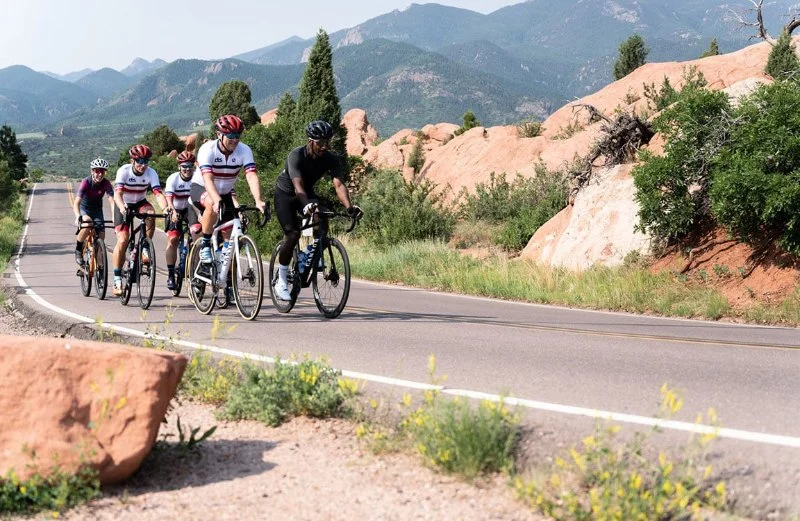
How to Train for a Fall Century Ride: Nutrition, Strength, and Pacing Essentials for Success
Preparing for a fall century ride is an exciting challenge that requires careful planning, consistent training, and proper nutrition. Whether this is your first century or you’re aiming for a personal best, understanding the essentials of nutrition, strength, and pacing can make all the difference. In this article, we’ll break down the most effective training strategies to help you conquer your fall century ride with confidence and success.
- The Importance of Nutrition for Century Rides
- Strength Training for Cyclists: Building Endurance
- Perfecting Your Pacing Strategy
- Creating Your Training Plan for the Fall Century Ride
- Tips for Mental Preparation on Race Day
1. The Importance of Nutrition for Century Rides
Nutrition plays a critical role in long-distance cycling, especially for a demanding event like a century ride. Your body needs the right fuel to maintain energy, optimize performance, and recover effectively. Here’s how to fuel your body for success:

The Lark / the lark irvington
IrvingtonWestchester CountyNew York
50 S Buckhout St Suite G107, Irvington, NY 10533, USA
1.1 Carbohydrates: Your Primary Source of Energy
Carbohydrates are the primary fuel for endurance sports like cycling. As you train for your century ride, make sure to incorporate plenty of carbs into your diet, especially complex carbohydrates like whole grains, fruits, and vegetables. These foods provide long-lasting energy and help prevent fatigue during your ride.

Ninja Nation - Scottsdale, AZ / ninja gym scottsdale
ScottsdaleMaricopa CountyArizona
15449 Hayden Rd, Scottsdale, AZ 85260, USA
1.2 Protein for Muscle Recovery
Protein is essential for muscle repair and recovery, especially after long rides. Include lean proteins like chicken, fish, and plant-based options like beans and tofu in your diet. Aim for a balance of protein intake throughout the day to aid muscle recovery and strength-building.
1.3 Hydration: Don’t Forget to Drink
Hydration is crucial when training for and completing a century ride. Dehydration can lead to fatigue, cramps, and decreased performance. Drink water regularly throughout the day, and during your rides, consume electrolyte-rich drinks to replenish the sodium and potassium lost through sweat.
1.4 Pre-Ride, During-Ride, and Post-Ride Nutrition
Your nutrition should be timed correctly around your training rides:
- Pre-ride: Eat a carb-rich meal 2-3 hours before your ride to fuel your body. Avoid heavy fats or proteins right before a ride.
- During-ride: Consume small amounts of carbs, electrolytes, and water every 30 minutes during your ride to keep your energy levels steady.
- Post-ride: Within 30 minutes of finishing, eat a combination of carbs and protein to aid muscle recovery.
2. Strength Training for Cyclists: Building Endurance
While cycling itself is great for building endurance, incorporating strength training into your routine is essential to prevent injury and improve overall performance. Strengthening muscles like your quads, hamstrings, and core will help you power through those long rides.
2.1 Core Strength
A strong core is essential for maintaining proper form during long rides. Focus on exercises like planks, Russian twists, and leg raises to build core strength. A solid core helps you stay balanced and efficient on the bike, especially during the final hours of your ride.
2.2 Lower Body Strength
To increase your power on the bike, focus on exercises like squats, lunges, and leg presses. These exercises target the muscles used in cycling and will improve your ability to pedal harder and more efficiently, particularly on climbs.
2.3 Upper Body Strength
Though cycling primarily focuses on the lower body, upper body strength helps you maintain proper posture and control on the bike. Include exercises like push-ups, dumbbell rows, and shoulder presses in your routine to keep your upper body strong and balanced.
3. Perfecting Your Pacing Strategy
Pacing is one of the most important aspects of completing a century ride successfully. If you go out too fast, you’ll burn out before the finish line. Here’s how to pace yourself during training and on race day:
3.1 Start Slow and Steady
On your long rides, practice starting slow and maintaining a steady pace. A common mistake is going out too fast and losing energy quickly. Aim for a sustainable pace where you can still maintain conversation without gasping for breath.
3.2 Monitor Your Effort
Use a heart rate monitor or a power meter to track your effort. Aim to stay within a specific range of heart rate or power zones during your training rides to build endurance without overexerting yourself.
3.3 Understand Your Nutrition and Hydration Needs
Maintaining proper nutrition and hydration is key to keeping your energy levels consistent throughout the ride. Practice pacing your eating and drinking intervals during training rides so you know exactly when to refuel on race day.
4. Creating Your Training Plan for the Fall Century Ride
As you approach your century ride, it’s important to have a structured training plan that includes a mix of endurance, strength, and pacing workouts. Here’s how to create a well-rounded training schedule:
4.1 Build Mileage Gradually
Start with shorter rides and gradually increase your mileage each week. Aim to reach at least one long ride per week, building up to a 75-80 mile ride before tapering off in the weeks leading up to your century ride.
4.2 Include Rest Days
Rest is just as important as training. Include rest days in your training plan to allow your muscles to recover and prevent overtraining. This will help you stay fresh and ready for race day.
4.3 Taper Before the Big Day
In the final two weeks before your century ride, reduce your mileage to allow your body to recover and store energy for the event. This is called tapering and helps ensure you’re well-rested and prepared for race day.
5. Tips for Mental Preparation on Race Day
Training your mind is just as important as training your body. Here are a few tips to help you stay focused and motivated throughout the ride:
5.1 Set Small Goals
Instead of thinking about the entire 100-mile ride, set small, manageable goals along the way. Focus on reaching the next aid station or completing the next 10 miles, which can help you maintain focus and motivation.
5.2 Stay Positive
There will be challenging moments during your ride, but staying positive and visualizing your success can help you push through tough patches. Remember why you’re riding and the hard work you’ve put into your training.
If you're looking for expert tips and high-quality gear for your century ride, visit Hot Fitness for the best products and services designed to enhance your cycling experience.




 Remix Fitness5.0 (155 reviews)
 Project Phoenix Strength0.0 (0 reviews)
 Raw Fit 3054.0 (120 reviews)
 Rock Solid Warrior - South Apex5.0 (87 reviews)
 Orion Sports Club5.0 (66 reviews)
 Big Dog Gym5.0 (3 reviews)
 How to Stay Motivated in Your Strength Training Journey
 Science-Backed Tips for Improving Your Training Effectiveness
 Science-Backed Tips for Effective Strength Training
 Advanced Techniques for Better Strength Training Results
 Fall Bootcamp Nutrition: How to Fuel Group Classes for Performance and Recovery
 The Best Ways to Track Training Load Using a Wearable in Fall 2025