
- 1. Why Low-Impact Strength Moves Are Essential
- 2. Key Low-Impact Strength Exercises to Try This Fall
- 3. How to Progress and Build Strength Safely
- 4. Nutrition Tips to Maximize Strength Gains
- 5. Importance of Recovery for Optimal Results
1. Why Low-Impact Strength Moves Are Essential
As the fall season sets in, many people transition their workouts to accommodate the changing weather. Low-impact strength exercises are a great option for maintaining muscle growth and strength while minimizing the risk of injury. These exercises are gentle on the joints, making them suitable for those with previous injuries, as well as beginners looking for a safer alternative to high-impact movements.
Low-impact exercises can help you achieve your strength goals without putting undue stress on your body. They are also effective in building muscle, improving endurance, and increasing flexibility—all without the risk of overloading your joints.

Planet Fitness / planet fitness in delaware
WilmingtonNew Castle CountyDelaware
2201 Farrand Dr, Wilmington, DE 19808, USA
2. Key Low-Impact Strength Exercises to Try This Fall
Low-impact strength exercises are perfect for building muscle and staying fit in the cooler months. Here are some key exercises to incorporate into your routine:
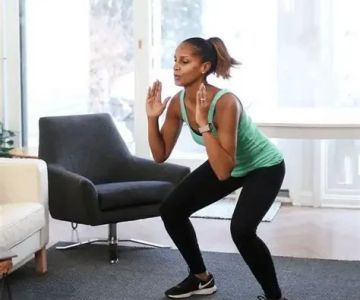
- Bodyweight Squats: Bodyweight squats are a fantastic way to work your legs and glutes without placing pressure on your knees or ankles. Keep your back straight, and ensure your knees do not go beyond your toes as you lower your body.
- Resistance Band Deadlifts: Resistance bands are perfect for providing constant tension on your muscles while avoiding the heavy loads that come with traditional barbell deadlifts. Stand on the band, hold the handles, and hinge at your hips to lower your torso, then return to standing position.
- Wall Push-ups: Wall push-ups are an excellent alternative to standard push-ups if you're looking for a gentler way to strengthen your upper body. Stand facing a wall and place your hands shoulder-width apart, lowering your chest to the wall and pressing back up.
- Step-ups: Step-ups on a low platform or bench work your quads, hamstrings, and glutes while minimizing impact on the knees. Use a smooth, controlled motion, and alternate legs for a balanced workout.
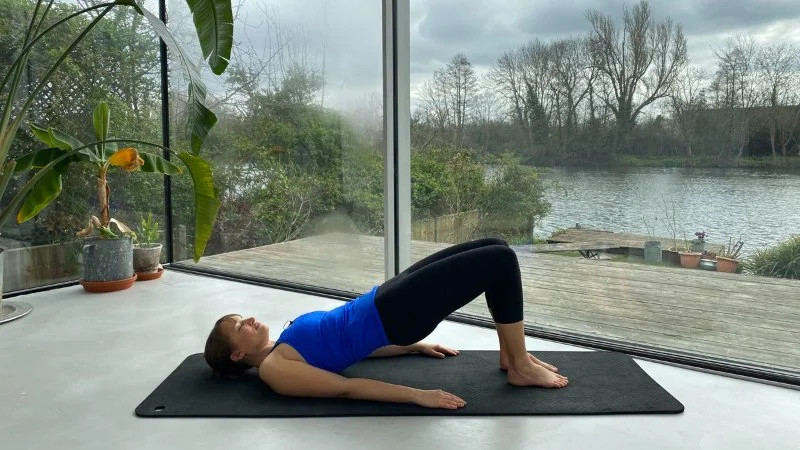
- Glute Bridges: Glute bridges are a great way to target the posterior chain—especially your glutes and hamstrings. Lie on your back with your feet flat on the floor, lift your hips toward the ceiling, and squeeze your glutes at the top.
3. How to Progress and Build Strength Safely
To build muscle and strength, you need to progressively overload your muscles. However, with low-impact exercises, it's crucial to focus on quality form and gradual progression. Here are some tips for safe and effective progression:
- Increase Resistance Gradually: Whether you're using resistance bands, dumbbells, or bodyweight exercises, progressively increasing the resistance will ensure muscle growth. Start with manageable weights or resistance levels and increase as you get stronger.
- Focus on Form: Proper form is essential to avoid injury. Ensure that you're performing each exercise with proper alignment and control. If you're unsure of your form, consider seeking guidance from a fitness professional.
- Challenge Your Endurance: As you become more comfortable with the exercises, increase the number of sets or repetitions. You can also add variations to your exercises to continue challenging your muscles.
4. Nutrition Tips to Maximize Strength Gains
Nutrition plays a critical role in building muscle and strength. To support your low-impact strength training, consider the following dietary tips:
- Protein: Protein is the building block of muscle. Ensure you're consuming enough protein to support muscle repair and growth. Aim for at least 1.2–2 grams of protein per kilogram of body weight, depending on your training intensity.
- Carbohydrates: Carbohydrates are essential for fueling your workouts. Include whole grains, fruits, and vegetables in your diet to provide sustained energy throughout your training sessions.
- Healthy Fats: Don't neglect fats in your diet. Healthy fats from sources like avocados, nuts, and olive oil help with hormone regulation and overall health, which are crucial for muscle recovery and growth.
- Hydration: Staying hydrated is key to maintaining performance and recovery. Drink plenty of water throughout the day, especially before and after workouts.
5. Importance of Recovery for Optimal Results
Recovery is just as important as the workout itself. After a session of strength training, your muscles need time to repair and rebuild. Here’s how to optimize your recovery:
- Sleep: Aim for 7-9 hours of quality sleep each night. Sleep is crucial for muscle repair and growth, as your body produces growth hormones while you rest.
- Foam Rolling: Foam rolling can help release tight muscles, increase blood flow, and aid in muscle recovery. Use a foam roller on your quads, hamstrings, calves, and back to alleviate soreness.
- Active Recovery: Incorporate light activities such as walking, yoga, or cycling on your rest days to keep the blood flowing and assist in the recovery process.
By incorporating low-impact strength exercises, focusing on proper nutrition, and prioritizing recovery, you can safely build muscle and strength throughout the fall. Start your fitness journey today and explore more training tips and equipment at [Hot Fitness].



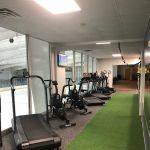 ISCC Fitness Center5.0 (15 reviews)
 Zen Yoga5.0 (30 reviews)
 OMEGA Gymnastics4.0 (57 reviews)
 Palma Pilates5.0 (32 reviews)
 Curanim Pilates5.0 (13 reviews)
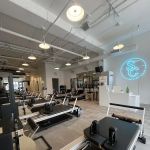 Sculpt Cult Pilates5.0 (25 reviews)
 Science-Backed Tips for Improving Your Training Effectiveness
 The Role of Mindful Movement and Breathwork in Autumn Training Routines
 How to Manage Training Stress When Work Gets Crazy This Fall
 Core Routines That Improve Running Economy and Reduce Low-Back Pain This Autumn
 The Best GPS Watches for Fall Training: Battery Life, Accuracy, and Features
 How to Stay Motivated in Your Exercise Routine | Expert Tips