
- 1. Why Fall is the Perfect Season for GPS Watch Training
- 2. Key Features to Look for in a GPS Watch
- 3. Comparing Battery Life Across Popular Models
- 4. Accuracy and Performance in Real Training Conditions
- 5. Choosing the Right GPS Watch for Your Needs
1. Why Fall is the Perfect Season for GPS Watch Training
Fall offers ideal conditions for outdoor training — cooler temperatures, beautiful scenery, and fewer crowds. Whether you’re a runner, cyclist, or hiker, a reliable GPS watch can make your training more efficient and enjoyable. These watches not only track your distance and pace but also help you analyze your performance and progress over time.
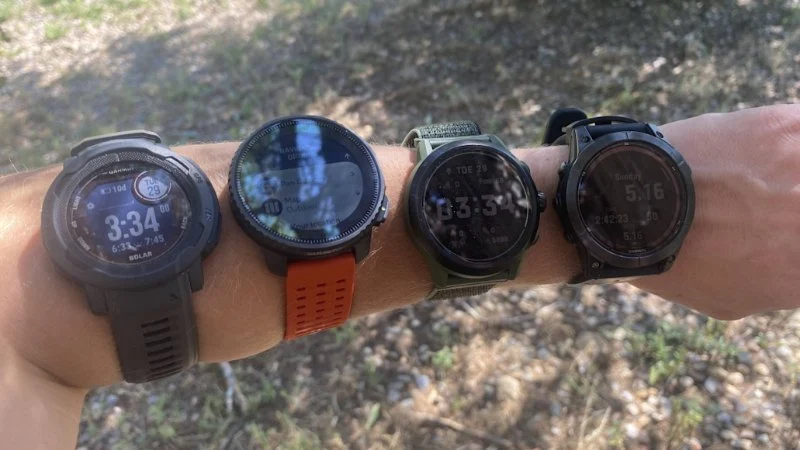
With shorter daylight hours during the fall season, battery life becomes a critical factor. The best GPS watches are designed to handle long sessions without dying mid-workout. Models from brands like Garmin, Coros, and Suunto have gained attention for their endurance, precision, and adaptability. If you’re looking to upgrade your gear this season, you can find top-rated fitness wearables and accessories at Hot Fitness.

GymCats Gymnastics Center / gymcats gymnastics center
YonkersWestchester CountyNew York
1 Odell Plaza #190, Yonkers, NY 10701, USA
2. Key Features to Look for in a GPS Watch
When choosing a GPS watch for fall training, understanding the essential features can make all the difference. Beyond basic distance tracking, today’s GPS watches offer a wide range of smart functionalities tailored to different sports and fitness goals.
- Battery Life: A key feature for long training sessions. Some watches can last up to 100 hours in GPS mode, while others offer extended battery-saving modes.
- Accuracy: Advanced models use multi-band GPS and GLONASS systems to provide pinpoint accuracy, even in wooded or urban environments where signals may drop.
- Durability: Fall conditions can be unpredictable. Look for watches with waterproof or weather-resistant designs and durable screens that can withstand rain, mud, or accidental drops.
- Training Metrics: Features like heart rate monitoring, VO2 max estimation, and recovery tracking help athletes train smarter, not harder.
- Smart Integration: Compatibility with smartphones, music apps, and fitness platforms allows you to sync data effortlessly and stay connected on the go.
3. Comparing Battery Life Across Popular Models
Battery life is often the deciding factor for serious athletes, especially during long-distance training or weekend hikes. Here’s how some top GPS watches compare:
- Garmin Fenix 7 Series: Known for its exceptional battery endurance, lasting up to 57 hours in GPS mode and over two weeks in smartwatch mode. The solar edition extends this even further.
- Coros Vertix 2: Built for adventure seekers, this watch can last up to 140 hours in standard GPS mode and over 60 days in everyday use mode — ideal for multi-day trips.
- Suunto 9 Peak Pro: Offers up to 120 hours of continuous GPS tracking with intelligent battery management, perfect for marathon training and extended outdoor runs.
- Polar Grit X Pro: Balances battery life and lightweight design, providing up to 40 hours of full GPS tracking and up to 100 hours in power-saving mode.
For fall training, where temperature fluctuations can affect battery performance, it’s wise to choose a watch that includes power optimization features. Many of these watches also support fast charging, allowing you to top up your battery between workouts.

EōS Fitness / eos busy hours
ScottsdaleMaricopa CountyArizona
14843 N Northsight Blvd, Scottsdale, AZ 85260, USA
4. Accuracy and Performance in Real Training Conditions
GPS accuracy is one of the most critical aspects of performance tracking. During fall, environmental conditions such as cloudy skies, dense trees, and shorter daylight hours can impact GPS signal reliability. High-end models now utilize dual-frequency systems to improve accuracy in challenging conditions.
For example, athletes who train in hilly or forested areas will benefit from watches like the Garmin Fenix 7 or Coros Vertix 2, which combine multiple satellite systems to reduce positional errors. Cyclists and triathletes can also take advantage of barometric altimeters and cadence sensors for more detailed analytics.
In one real-world example, endurance runners in the Pacific Northwest reported a noticeable improvement in tracking precision after switching from older single-band watches to newer multi-GNSS models. This upgrade allowed them to maintain consistent pace monitoring, even through dense fog or tree cover.
5. Choosing the Right GPS Watch for Your Needs
Selecting the best GPS watch depends on your individual training style and priorities. If you’re an ultramarathoner, long battery life and multi-day durability should top your list. For everyday runners and fitness enthusiasts, accuracy and comfort may matter more than extreme endurance.
Here’s a quick guideline to help narrow your choice:
- For Runners: Garmin Forerunner 965 or Coros Pace 3 for lightweight performance and detailed metrics.
- For Hikers and Adventurers: Coros Vertix 2 or Suunto 9 Peak Pro for unmatched durability and long-lasting power.
- For Multi-Sport Athletes: Polar Grit X Pro for a balanced combination of endurance, accuracy, and smart tracking features.
The best GPS watch isn’t just about specs — it’s about how it fits into your training lifestyle. Fall is the perfect time to invest in one that motivates you to push harder and explore more. For expert recommendations and exclusive offers on premium GPS watches, check out Hot Fitness, where top fitness gear meets real-world performance.


 Anything Goes Athletics4.0 (6 reviews)
 Pilates Core Center5.0 (11 reviews)
 Warren County YMCA4.0 (57 reviews)
 Union Pilates5.0 (3 reviews)
 StretchLab4.0 (66 reviews)
 Raise The Bar Fitness4.0 (16 reviews)
 Top 5 Myths About Workout – Hot Fitness
 How to Create an Effective Race-Day Checklist: Gear, Nutrition, Warm-Up and Mindset for Fall
 How to Use Smartwatch Training Load to Decide When to Do Speed Work vs Easy Recovery Runs
 Top 5 Myths About Strength Training | Hot Fitness
 The Best Strength Exercises to Protect Your Knees and Keep You Running Pain-Free This Season
 Best Apps to Track Your Home Workout Progress for Consistent Results