
The Beginner’s Guide to Olympic Lifts: Safety, Progressions and Sample Workouts
- 1. Understanding Olympic Lifts
- 2. The Importance of Safety in Olympic Lifting
- 3. Progressions for Beginners
- 4. Sample Workouts for Olympic Lifts
- 5. Common Mistakes to Avoid in Olympic Lifting
1. Understanding Olympic Lifts
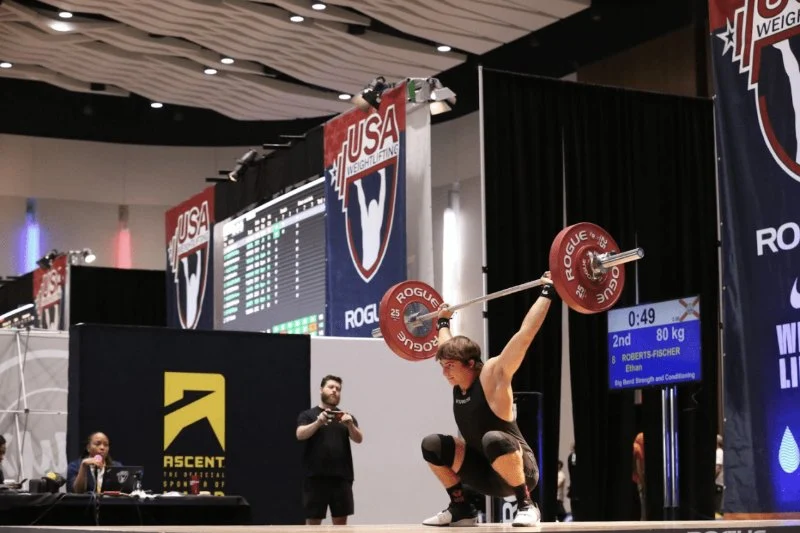
Olympic lifting involves two primary movements: the snatch and the clean and jerk. These lifts are explosive, requiring both strength and technique, and are often featured in competitive weightlifting. Olympic lifting focuses on the development of full-body power and coordination, which is why it’s a popular choice among athletes and fitness enthusiasts.
As a beginner, it’s important to understand that Olympic lifts are not just about raw strength, but also about speed, precision, and fluid movement. The technique behind each lift is critical for ensuring effectiveness and avoiding injury.

Flow Yoga Center / 1508 14th street nw
WashingtonDistrict of Columbia
1508 14th St NW, Washington, DC 20005, USA
2. The Importance of Safety in Olympic Lifting
Safety should always be a top priority when performing Olympic lifts. These exercises involve heavy loads and complex movements, which can lead to injury if not executed properly. It’s crucial to focus on form over weight, particularly when you're just starting.

F45 Training Coral Way / f45 miami
2750 Coral Wy Suite 100, Miami, FL 33145, USA
2.1 Warm-Up and Mobility
Before jumping into Olympic lifts, spend time warming up and working on your mobility. Dynamic stretching and light lifting are key to preparing your muscles and joints for the strenuous movements involved in these lifts. A proper warm-up can greatly reduce the risk of strains and sprains.
2.2 Proper Form
Mastering the form is essential for safety. Focus on perfecting your posture, grip, and stance before progressing to heavier weights. Work with a coach or trainer, if possible, to ensure your form is spot on. Even minor mistakes can lead to major injuries when lifting heavy.
3. Progressions for Beginners
When starting out with Olympic lifting, it’s important to begin with progressions that build strength, coordination, and familiarity with the movement patterns. Here are some key steps for beginners:
3.1 Mastering the Basics
Begin with bodyweight exercises and simple movements like squats and deadlifts to develop strength and mobility. Once you feel comfortable with the basics, incorporate kettlebell swings and dumbbell snatches to start understanding the movement patterns before attempting the barbell lifts.
3.2 Learning with Lighter Weights
Start with lighter weights to practice the snatch and clean and jerk. Using lighter loads allows you to focus on technique without compromising safety. Gradually increase the weight as you become more comfortable with the movements.
4. Sample Workouts for Olympic Lifts
Once you’ve mastered the basic techniques and built up your strength, you can start incorporating Olympic lifts into your training routine. Here are a few sample workouts for beginners:
4.1 Workout 1: Technique Focus
- Warm-Up: 5–10 minutes of light cardio and dynamic stretches
- Snatch Practice: 3 sets of 5 reps with a light barbell (focus on form)
- Clean and Jerk Practice: 3 sets of 5 reps with a light barbell (focus on form)
- Accessory Lifts: Front squats (3 sets of 8 reps)
- Cool Down: Static stretching
4.2 Workout 2: Strength Building
- Warm-Up: 5–10 minutes of light cardio and mobility work
- Clean and Jerk: 4 sets of 3 reps (moderate weight)
- Snatch: 4 sets of 3 reps (moderate weight)
- Accessory Lifts: Overhead press (3 sets of 8 reps)
- Cool Down: Static stretching and foam rolling
5. Common Mistakes to Avoid in Olympic Lifting
While Olympic lifting is a fantastic way to build strength and power, beginners often make a few common mistakes. Here's a list of mistakes to watch out for:
5.1 Lifting Too Much Too Soon
One of the most common mistakes is attempting to lift too much weight before mastering the technique. It’s better to start with a lighter load and increase the weight gradually as you become more confident with the movements.
5.2 Poor Posture
Maintaining proper posture throughout the lift is crucial. Avoid rounding your back or letting your shoulders rise during the pull, as this can lead to injury. Focus on keeping your chest open and your core engaged.
5.3 Ignoring Recovery
Recovery is just as important as training when it comes to Olympic lifting. Be sure to allow enough time for your muscles to recover between workouts and incorporate rest days into your training schedule.
By following the proper safety protocols, focusing on form, and progressing at a manageable pace, beginners can successfully integrate Olympic lifts into their training routine. For additional guidance on workouts and proper form, visit Hot Fitness for expert advice and resources.


 Level Fitness Somers4.0 (17 reviews)
 VIDA Pilates - Reston Station5.0 (4 reviews)
 RAD Gymnastics4.0 (71 reviews)
 NC FITNESS CLUB4.0 (115 reviews)
 CorePower Yoga - Nob Hill4.0 (17 reviews)
 The Trenches Gym5.0 (86 reviews)
 How to Create an Effective Race-Day Checklist: Gear, Nutrition, Warm-Up and Mindset for Fall
 Beginner’s Guide to Healthy Lifestyle for a Balanced Start
 The Best Ways to Use Recovery Apps and Guided Mobility Sessions for Faster Gains This Fall
 How to Use Short Intervals to Build Speed Without Sacrificing Aerobic Base This Season
 How to Use Short, High-Quality Speed Workouts to Break Plateaus Before Autumn Races
 How to Structure a 6-Week Hill Training Program to Build Strength and Speed