

- 1- Introduction to Progressive Strength Sessions
- 2- Benefits of Progressive Strength Training for Long-Distance Events
- 3- How to Structure Short Strength Sessions
- 4- Additional Tips for Building Durability
- 5- Common Mistakes to Avoid in Strength Training for Endurance
1- Introduction to Progressive Strength Sessions
When preparing for long-distance events, such as marathons, triathlons, or cycling races, endurance is typically the main focus. However, strength training can play a crucial role in enhancing your performance and reducing the risk of injury. Progressive strength sessions, though short in duration, are highly effective for building the durability required for these challenging events. The key lies in progressively increasing the intensity and volume of your strength training without overwhelming your body.

MoCo CrossFit / moco crossfit
RockvilleMontgomery CountyMaryland
15265 Display Ct, Rockville, MD 20850, USA
2- Benefits of Progressive Strength Training for Long-Distance Events
Progressive strength training offers numerous benefits for long-distance athletes, some of which include:
- Increased Durability: By building muscular endurance, your body becomes more resilient to the repetitive stress of long-distance events.
- Improved Posture and Form: Strength training helps stabilize muscles, which is essential for maintaining proper form throughout long races.
- Injury Prevention: Stronger muscles and joints are less prone to injuries, particularly overuse injuries common in endurance sports.
- Enhanced Performance: Progressive strength sessions target weak points and muscle imbalances, allowing you to maintain energy and pace for longer.
These benefits will not only help you complete your long-distance event but will also improve your overall fitness and race performance.

Planet Fitness / planet fitness in arizona
3202 E Greenway Rd, Phoenix, AZ 85032, USA
3- How to Structure Short Strength Sessions
Incorporating short but effective strength sessions into your routine is key to maximizing benefits without compromising your primary endurance training. Here’s how to structure your progressive strength sessions:
1. Start with Core Strength
Begin your strength training by focusing on the core, as a strong core provides stability and support for all athletic movements. Incorporate exercises like planks, Russian twists, and leg raises.
2. Focus on Compound Movements
Compound exercises, which target multiple muscle groups, are ideal for building functional strength. Squats, deadlifts, lunges, and push-ups are excellent choices to enhance both strength and endurance.
3. Gradually Increase Resistance
Start with bodyweight exercises and progressively add resistance through dumbbells, kettlebells, or resistance bands. Focus on maintaining good form and gradually increase weight or reps as you get stronger.
4. Limit the Time, Not the Intensity
Keep your strength sessions short—around 20-30 minutes—focusing on high-intensity, efficient exercises. This helps ensure that the strength training doesn’t interfere with your long-distance training but still provides maximum benefit.
4- Additional Tips for Building Durability
Aside from regular strength sessions, here are some additional tips to further enhance your durability for long-distance events:
- Stay Consistent: Consistency is key to building strength and endurance. Schedule regular sessions throughout your training cycle to see steady improvement.
- Prioritize Recovery: Allow your muscles to recover after strength training to avoid burnout and muscle fatigue. Incorporate stretching, yoga, or foam rolling to aid recovery.
- Combine with Endurance Training: While strength is important, don’t neglect your endurance sessions. A balanced approach ensures that you’re not sacrificing one for the other.
5- Common Mistakes to Avoid in Strength Training for Endurance
Even with the best intentions, there are some common mistakes athletes often make when incorporating strength training into their routines:
- Overtraining: Too much strength training can lead to fatigue and interfere with endurance performance. Keep your sessions short and focused on progression, not overexertion.
- Neglecting Mobility: Strength training without addressing mobility and flexibility can lead to muscle imbalances and increased injury risk. Include dynamic stretches and mobility exercises in your warm-up and cool-down.
- Skipping Strength Workouts: Skipping strength sessions in favor of more endurance training can stunt your progress. Strength is equally important in building overall endurance and resilience.
By avoiding these mistakes and staying focused on a balanced training plan, you can maximize your performance in long-distance events and reduce the risk of injury.
To find more effective training resources, workouts, and products, visit Hot Fitness for expert advice and recommendations tailored to your needs.

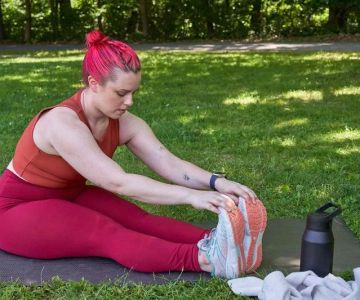




 Extreme Fitness4.0 (25 reviews)
 Outdoor free gym5.0 (1 reviews)
 Planet Fitness4.0 (980 reviews)
 Rocky Point Golf Course ClubHouse4.0 (6 reviews)
 Vessel Studios5.0 (69 reviews)
 In&Out Pilates5.0 (18 reviews)
 10 Common Mistakes to Avoid in Yoga: Expert Tips for a Safe Practice
 Best Foods to Eat Before and After Home Workout
 The Best Ways to Use Short Strength Sessions to Prepare for Multi-Sport Activities in Autumn
 Science-Backed Tips for Improving Your Cardio: Boost Your Endurance with Proven Techniques
 How to Use Hill Sprints to Build Anaerobic Power Without High Weekly Mileage Increases
 Science-Backed Tips for Improving Your Training Effectiveness