

- 1-Introduction
- 2-The Benefits of Post-Workout Stretching
- 3-Effective Stretches for Flexibility
- 4-Post-Workout Stretching Tips
- 5-Incorporating Stretching Into Your Routine
1. Introduction
After an intense workout, your muscles are often tight and sore, which can limit your range of motion and flexibility. This is where post-workout stretching becomes crucial. A well-rounded stretching routine can help improve flexibility, reduce muscle soreness, and enhance your overall performance. In this article, we will dive into the best post-workout stretching exercises that will help you recover faster and prevent stiffness.
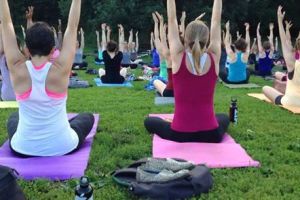
Jennifer Brilliant Yoga / jennifer brilliant
732A Carroll St, Brooklyn, NY 11215, USA
2. The Benefits of Post-Workout Stretching
Post-workout stretching has numerous benefits for your body and mind. When you stretch after exercise, you increase blood flow to your muscles, helping to flush out waste products like lactic acid. This process aids in muscle recovery and reduces the feeling of soreness that typically follows an intense workout.
Stretching also helps lengthen muscles, improve joint flexibility, and reduce the risk of injury in future workouts. Additionally, regular stretching can promote better posture, increase mobility, and enhance your balance. By incorporating post-workout stretches into your routine, you are setting yourself up for long-term success and a healthier, more flexible body.

Planet Fitness / planet fitness mahopac new york
169 US-6, Mahopac, NY 10541, USA
3. Effective Stretches for Flexibility
To improve flexibility and reduce soreness, it's important to focus on a combination of static and dynamic stretches. Below are some of the best stretches you can incorporate into your post-workout routine:
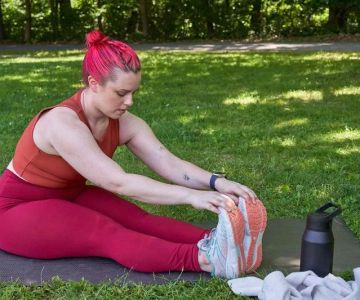
- Hamstring Stretch: Sitting on the floor, extend one leg straight out in front of you and bend the other leg so that the sole of the foot is against the inner thigh of your extended leg. Reach for your toes, keeping your back straight. Hold for 20-30 seconds and switch sides.
- Quadriceps Stretch: Stand tall and grab your right ankle behind you, pulling it towards your glutes. Keep your knees together and hold the stretch for 20-30 seconds before switching to the other leg. This stretch targets your quads and helps release tension in the front of your thighs.
- Hip Flexor Stretch: Start in a lunge position with your right foot forward and your left knee on the ground. Push your hips forward gently to stretch the hip flexors. Hold for 20-30 seconds on each side. This stretch helps alleviate tightness in the hips, which can occur after running or squatting exercises.
- Calf Stretch: Stand facing a wall and place your hands against it. Step one foot back and bend the front knee while keeping the back leg straight and heel on the floor. Hold for 20-30 seconds and repeat with the other leg. This stretch works on your calves and improves ankle flexibility.
- Lower Back Stretch: Lie on your back with your knees bent and feet flat on the floor. Slowly bring both knees to your chest and hold them with your hands. This stretch releases tension in your lower back and helps with overall flexibility in the spine.
4. Post-Workout Stretching Tips
To get the most out of your post-workout stretching routine, consider these tips:
- Stretch When Muscles Are Warm: It's essential to stretch after your muscles are warmed up from exercise. Stretching cold muscles can lead to injury. Try to stretch within 10-15 minutes after finishing your workout.
- Hold Each Stretch: For maximum benefit, hold each stretch for at least 20-30 seconds. This gives your muscles enough time to relax and lengthen. If you feel a sharp pain, ease up on the stretch to avoid injury.
- Breath Deeply: Remember to breathe deeply and relax while stretching. This helps your muscles release tension and allows you to deepen each stretch.
- Stay Consistent: Consistency is key to improving flexibility. Incorporate stretching into your routine after every workout to see long-term improvements in your range of motion and reduce muscle soreness.
5. Incorporating Stretching Into Your Routine
Stretching should be an integral part of your fitness routine. It's important to focus on both static and dynamic stretching, depending on your workout. While static stretching (holding a position) is great for flexibility and recovery post-workout, dynamic stretching (moving stretches) can be used as part of your warm-up routine to activate muscles before exercise.
To make stretching a regular habit, schedule it into your workout routine and treat it as a priority rather than an afterthought. Whether you're lifting weights, running, or doing yoga, taking the time to stretch will improve your flexibility, prevent injury, and enhance your overall performance.
If you're looking for the best products and services to help with your fitness journey, check out Hot Fitness for recommendations on gear, accessories, and fitness classes.



 Yoga with Freedom0.0 (0 reviews)
 The Vault by Tribe Fitness5.0 (1 reviews)
 United Athletic Club - Sellwood4.0 (170 reviews)
 Crunch Fitness - Norristown4.0 (288 reviews)
 Barry's Portland4.0 (104 reviews)
 Sanchez Boxing Academy5.0 (14 reviews)
 Best Strength and Mobility Pairings for Improved Running Efficiency and Pain Reduction
 How to Fit Strength Training Into a Running-Focused Week Without Losing Speed
 Science-Backed Tips for Improving Your Fitness
 Beginner's Guide to Workout: Get Started on Your Fitness Journey
 How to Use Heart Rate Zones for Smarter Fall Training and Race Prep
 The Benefits of Daily Weight Loss: Physical and Mental Health Advantages