

- 1 - The Importance of a Structured Workout Plan
- 2 - Setting Realistic Weight Loss Goals
- 3 - Structuring Your Weekly Workout Plan
- 4 - Types of Exercises to Include
- 5 - Real-Life Success Stories
1 - The Importance of a Structured Workout Plan
When it comes to weight loss, a structured workout plan is essential. Without a clear plan, you may find it difficult to stay motivated or make consistent progress. A well-structured plan helps ensure that you are targeting all the necessary components of fitness, including strength, endurance, and flexibility. Moreover, it ensures that you're giving your body the right amount of rest and recovery, preventing burnout or injury.
2 - Setting Realistic Weight Loss Goals
Before creating a workout plan, it's crucial to set realistic weight loss goals. These goals should be specific, measurable, achievable, relevant, and time-bound (SMART goals). For instance, instead of vague goals like "lose weight," try setting a more specific target such as "lose 1-2 pounds per week for the next 8 weeks." This approach gives you clear direction and helps track your progress.
2.1 Tracking Progress
Tracking your progress is key to staying motivated. Consider using a fitness app, journal, or spreadsheet to log your workouts, calories burned, and any physical changes like weight loss, body measurements, or increased stamina. Consistent tracking will help you understand what works and what doesn’t in your plan.
3 - Structuring Your Weekly Workout Plan
A well-balanced weekly workout plan typically includes a mix of cardio, strength training, and flexibility exercises. Here’s a suggested structure for a week:
3.1 Day 1: Full-Body Strength Training
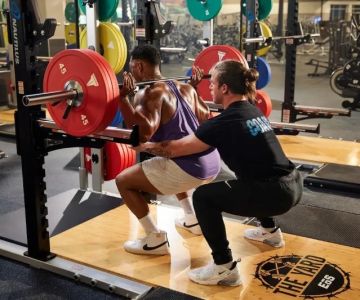
Start the week with a full-body strength training workout. This can include exercises like squats, lunges, push-ups, and dumbbell rows. Strength training is vital for building lean muscle mass, which helps burn more calories at rest. Aim for 3 sets of 8-12 repetitions for each exercise.
3.2 Day 2: High-Intensity Interval Training (HIIT)
HIIT is a great way to burn fat quickly. This workout involves short bursts of intense exercise followed by brief periods of rest. A typical HIIT workout could involve sprints, jump squats, or burpees, all performed at maximum intensity for 20-30 seconds with 10-15 seconds of rest. HIIT is efficient for burning fat and improving cardiovascular fitness.
3.3 Day 3: Active Recovery (Yoga or Stretching)
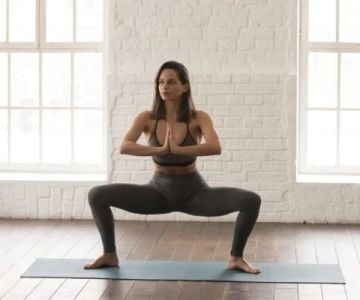
Allow your muscles to recover by incorporating an active recovery day. Yoga or stretching exercises can improve flexibility, reduce muscle soreness, and promote mental relaxation. This day should be low-intensity, focusing on mobility and recovery.
3.4 Day 4: Lower-Body Strength Training
On day 4, focus on lower-body exercises like deadlifts, leg presses, and calf raises. Building strength in your legs helps improve your overall fitness and supports other activities like running or cycling.
3.5 Day 5: Cardio (Running, Cycling, or Swimming)
Cardio is key for burning calories and improving heart health. Choose an activity you enjoy, whether it’s running, cycling, or swimming, and aim for 30-45 minutes of moderate to intense cardio. This will help you burn additional calories while boosting your endurance.
3.6 Day 6: Upper-Body Strength Training
Finish the week with upper-body strength training, including exercises like bench presses, bicep curls, and tricep dips. Strengthening your upper body is just as important as lower-body training for achieving a balanced physique and increasing overall calorie burn.
3.7 Day 7: Rest or Light Activity
Rest is essential for muscle recovery. On day 7, you can either take a complete rest or engage in light activity like walking or stretching to keep your body moving without overexerting yourself.
4 - Types of Exercises to Include
Different exercises target various aspects of fitness, and it's important to include a variety in your plan to avoid plateaus and to engage different muscle groups:
4.1 Cardiovascular Exercises
Cardio exercises, like running, cycling, or dancing, are great for fat loss and improving heart health. Aim to include at least 2-3 cardio sessions per week in your workout plan.
4.2 Strength Training
Strength training helps build muscle mass, which boosts metabolism and helps with weight loss. Include compound movements like squats, lunges, deadlifts, and bench presses for optimal results.
4.3 Flexibility and Mobility Exercises
Yoga and stretching exercises enhance flexibility, reduce injury risk, and help with recovery. Include flexibility work to maintain muscle length and prevent stiffness.
5 - Real-Life Success Stories
Many people have successfully structured their workout plans for weight loss. Take the example of Sarah, who lost 20 pounds in 3 months by following a balanced workout routine. She included strength training, HIIT, and cardio exercises while paying attention to her diet and recovery. Her structured approach helped her stay consistent and achieve her weight loss goals.
Another inspiring story is John’s, who started with a simple plan of running three times a week and strength training twice a week. As he became fitter, he added HIIT workouts to his plan, and within six months, he dropped 30 pounds and increased his muscle mass significantly.




 Commit Fit5.0 (27 reviews)
 Mindful Makers Academy5.0 (2 reviews)
 Kent Yoga and Bodyworks5.0 (31 reviews)
 Midtown Athletic Club4.0 (804 reviews)
 Ninja Nation - Boardman, OH5.0 (25 reviews)
 Merritt Clubs Towson4.0 (326 reviews)
 How to Use Short, High-Quality Speed Workouts to Break Plateaus Before Autumn Races
 How to Do Weight Loss Safely and Effectively
 How to Do Home Workout Safely and Effectively
 Best Exercises for Strengthening Your Entire Core | Hot Fitness
 The Best Home Workout for Busy People | Quick Fitness Routines
 Pilates Ball Workouts for Strength and Stability — No Reformer Required