
- - Understanding Why Hunger Happens During Weight Loss
- - The Science Behind a Successful Calorie Deficit
- - Prioritizing Protein for Appetite Control
- - Using High-Volume Foods to Stay Full Longer
- - The Role of Fiber in Sustainable Fat Loss
- - Smart Carbohydrate Choices That Reduce Cravings
- - Healthy Fats and Their Impact on Satiety
- - Hydration Strategies That Help Manage Hunger
- - Meal Timing and Eating Patterns
- - Common Dieting Mistakes That Increase Hunger
- - Real-Life Success Story of Sustainable Weight Loss
- - Exercise Habits That Support a Calorie Deficit
- - Building a Long-Term Weight Management Plan
Understanding Why Hunger Happens During Weight Loss
Many people begin a weight loss journey with enthusiasm, only to find themselves constantly hungry after a few days or weeks. Hunger is often the main reason diets fail. While creating a calorie deficit is necessary for fat loss, doing it incorrectly can leave you feeling deprived, tired, and tempted to overeat.
The good news is that learning how to lose weight in a calorie deficit without feeling hungry is possible. The key is understanding how the body regulates appetite and making strategic food choices that support fullness while maintaining a calorie deficit.
Your body uses hormones such as ghrelin, often called the hunger hormone, and leptin, the satiety hormone, to regulate food intake. When calorie intake drops dramatically, ghrelin levels may increase, causing stronger hunger signals. However, meal composition, food volume, hydration, sleep quality, and activity levels all influence how intense these hunger signals become.
Successful weight loss is not about fighting hunger all day. Instead, it involves designing a nutrition plan that works with your body's natural mechanisms.

Yoga Sangha / yoga sangha dc
WashingtonDistrict of Columbia
2032 P St NW 2nd Floor, Washington, DC 20036, USA
The Science Behind a Successful Calorie Deficit
A calorie deficit occurs when you consume fewer calories than your body burns. This forces the body to use stored energy, including body fat, to meet its needs.

Why Extreme Deficits Often Fail
One of the biggest mistakes people make is creating an aggressive calorie deficit. While rapid weight loss may seem appealing, severely restricting calories often leads to:
- Increased hunger
- Lower energy levels
- Reduced workout performance
- Muscle loss
- Binge eating episodes
A moderate calorie deficit typically produces better long-term results. Many successful dieters aim for a daily deficit of 300 to 500 calories rather than attempting extreme restrictions.
Consistency Beats Perfection
The most effective weight loss plans are not necessarily the strictest. They are the ones people can maintain for months or years. Sustainable fat loss occurs when healthy habits become part of everyday life rather than temporary sacrifices.
Prioritizing Protein for Appetite Control
If there is one nutrition strategy that consistently helps people lose weight without feeling hungry, it is increasing protein intake.
How Protein Influences Fullness
Protein is highly satiating. Compared to carbohydrates and fats, protein helps people feel fuller for longer periods. It also requires more energy to digest, slightly increasing calorie expenditure.
Protein-rich foods stimulate hormones that signal fullness while reducing hunger hormones. This combination makes it easier to maintain a calorie deficit without constantly thinking about food.
High-Protein Food Choices
Examples of filling protein sources include:
- Chicken breast
- Turkey
- Fish
- Eggs
- Greek yogurt
- Cottage cheese
- Lean beef
- Tofu
- Tempeh
- Protein shakes
A practical strategy is to include a meaningful source of protein at every meal and snack.
Example of a Protein-Focused Breakfast
Instead of starting the day with a sugary pastry that leaves you hungry two hours later, consider eggs, Greek yogurt, berries, and oatmeal. This combination provides protein, fiber, and sustained energy.
Using High-Volume Foods to Stay Full Longer
One of the smartest ways to lose weight without hunger is to focus on food volume.
What Are High-Volume Foods?
High-volume foods contain relatively few calories compared to their physical size. These foods fill the stomach, creating a sense of fullness without significantly increasing calorie intake.
Examples of High-Volume Foods
- Leafy greens
- Cucumbers
- Tomatoes
- Zucchini
- Cauliflower
- Broccoli
- Watermelon
- Strawberries
- Mushrooms
- Cabbage
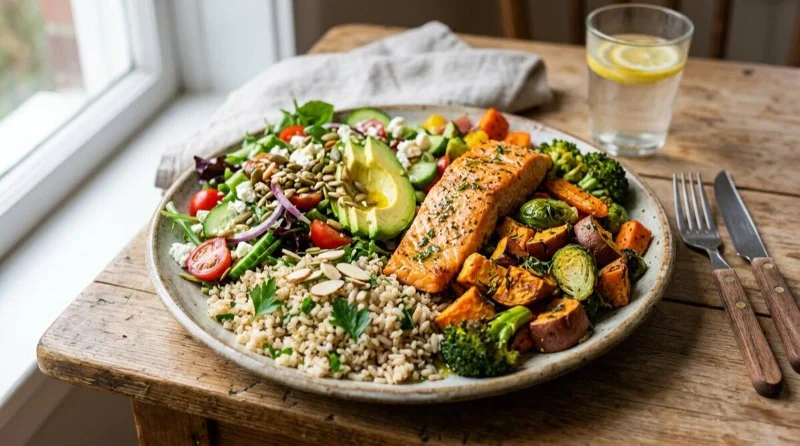
A large salad loaded with vegetables can provide impressive fullness while containing relatively few calories.
The Psychology of Food Volume
People often feel more satisfied when they see a large plate of food. Eating a generous portion of vegetables alongside lean protein can create both physical and psychological satisfaction.
The Role of Fiber in Sustainable Fat Loss
Fiber plays a major role in appetite management.
Why Fiber Matters
Fiber slows digestion and helps maintain stable blood sugar levels. This reduces energy crashes and minimizes sudden hunger spikes.
Many people who struggle with hunger consume plenty of calories but very little fiber.
Excellent Sources of Fiber
- Beans
- Lentils
- Vegetables
- Fruits
- Whole grains
- Chia seeds
- Flaxseeds
Combining fiber with protein often creates the most satisfying meals.
A Filling Lunch Example
A grilled chicken salad containing mixed greens, black beans, vegetables, avocado, and a light dressing offers protein, fiber, and healthy fats that keep hunger under control for hours.
Smart Carbohydrate Choices That Reduce Cravings
Carbohydrates are often misunderstood during weight loss.
Not All Carbs Are Equal
Highly processed carbohydrates can cause rapid blood sugar spikes followed by crashes that trigger hunger. Examples include:
- Sugary cereals
- Candy
- Pastries
- Sweetened beverages
In contrast, complex carbohydrates provide longer-lasting energy and better appetite control.
Better Carbohydrate Options
- Sweet potatoes
- Brown rice
- Oats
- Quinoa
- Whole-grain bread
- Beans
These foods digest more slowly and help support stable energy levels throughout the day.
Healthy Fats and Their Impact on Satiety
For years, many people believed avoiding fat was the secret to weight loss. Modern nutrition research shows that healthy fats can actually improve satiety and make dieting easier.
Benefits of Healthy Fats
Healthy fats slow digestion and contribute to meal satisfaction. Including moderate amounts can prevent feelings of deprivation.
Examples of Healthy Fat Sources
- Avocados
- Nuts
- Seeds
- Olive oil
- Fatty fish
- Natural nut butters
The goal is moderation. Healthy fats are nutritious but calorie-dense, so portion awareness remains important.
Hydration Strategies That Help Manage Hunger
Many people mistake thirst for hunger.
The Hunger-Thirst Confusion
Mild dehydration can produce sensations that resemble hunger. Before reaching for a snack, drinking a glass of water may help determine whether true hunger exists.
Practical Hydration Habits
- Drink water throughout the day
- Start meals with water
- Carry a reusable bottle
- Increase intake during exercise
Some individuals also find sparkling water helpful because the carbonation may increase feelings of fullness.
Meal Timing and Eating Patterns
There is no single meal schedule that works for everyone.
Finding Your Personal Rhythm
Some people prefer three larger meals, while others do better with four or five smaller meals.
The key is identifying a pattern that minimizes hunger and fits your lifestyle.
Planning Ahead Prevents Overeating
One common reason people abandon a calorie deficit is poor preparation. When hunger strikes unexpectedly, convenience foods often become the default choice.
Meal preparation can dramatically improve consistency. Keeping healthy snacks available reduces the likelihood of impulsive eating.
Common Dieting Mistakes That Increase Hunger
Skipping Protein
Meals dominated by refined carbohydrates often leave people hungry soon afterward.
Eating Too Little
Extremely low-calorie diets may create rapid weight loss initially but often lead to overwhelming hunger and eventual rebound weight gain.
Poor Sleep Habits
Sleep deprivation affects appetite-regulating hormones. Studies consistently show that insufficient sleep increases hunger and cravings.
Liquid Calories
Sugary drinks provide calories without delivering meaningful satiety. Replacing soda and sweetened beverages with water can significantly improve weight loss results.
Real-Life Success Story of Sustainable Weight Loss
Consider the experience of Michael, a 42-year-old office manager who struggled with weight for years. He repeatedly tried restrictive diets that left him hungry and frustrated.
After learning how to lose weight in a calorie deficit without feeling hungry, he shifted his focus toward protein, vegetables, hydration, and realistic calorie targets.
Rather than skipping meals, he built balanced plates containing lean protein, colorful vegetables, and moderate portions of whole grains. He also prioritized sleep and daily walking.
Over twelve months, Michael lost more than 45 pounds while reporting less hunger than he experienced during previous diets. His success came from consistency rather than extreme restriction.
Exercise Habits That Support a Calorie Deficit
Exercise can make maintaining a calorie deficit easier when approached strategically.
Strength Training
Resistance training helps preserve muscle mass during weight loss. Maintaining muscle supports metabolism and improves body composition.
Walking
Walking is often underestimated. Daily walks increase calorie expenditure without creating excessive fatigue or appetite increases.
Avoiding Exercise Burnout
Some people attempt to compensate for poor eating habits with excessive exercise. This approach often leads to exhaustion and increased hunger.
A balanced combination of nutrition and moderate exercise is generally more sustainable.
Many individuals looking for structured fitness programs, practical training guidance, and supportive wellness resources often explore services available through Hot Fitness to complement their nutrition goals and maintain long-term consistency.
Building a Long-Term Weight Management Plan
The most successful weight loss journeys are built around habits that can be maintained for years. Instead of searching for shortcuts, focus on creating an environment that supports healthy decisions.
1. Prioritize Protein Daily
Include protein at every meal to improve satiety and preserve muscle mass.
2. Fill Half Your Plate with Vegetables
High-volume vegetables help control hunger while providing valuable nutrients.
3. Stay Hydrated
Consistent hydration supports appetite control and overall health.
4. Sleep Seven to Nine Hours
Quality sleep plays a major role in managing hunger hormones and food cravings.
5. Track Progress Beyond the Scale
Measurements, energy levels, fitness improvements, and clothing fit can provide valuable feedback during the weight loss process.
Learning how to lose weight in a calorie deficit without feeling hungry is less about willpower and more about strategy. By emphasizing protein, fiber, hydration, food volume, proper sleep, and sustainable habits, you can create a calorie deficit that supports fat loss while still enjoying satisfying meals. This balanced approach not only helps achieve weight loss goals but also makes maintaining those results far more realistic in the long run.






 Martinez Boxing0.0 (0 reviews)
 Planet Fitness3.0 (1498 reviews)
 Mountain Fitness Peterborough4.0 (26 reviews)
 Sling Bungee Fitness4.0 (41 reviews)
 Equilibrium Pilates Studio4.0 (48 reviews)
 Epic Health & Fitness Windsor Locks4.0 (240 reviews)
 Autumn Outdoor Strength Circuits: Park-Friendly Workouts That Build Muscle Fast
 How to Build a 10-Week Strength and Speed Plan for Fall Races | Hot Fitness
 How to Build Core Strength That Improves Running Posture and Reduces Low-Back Pain
 How to Burn Belly Fat with High-Intensity Interval Training (HIIT)
 How to Build a Sustainable Routine That Balances Strength, Speed, and Recovery Through Fall
 Advanced Techniques for Better CrossFit Results