

- -Understanding-cardiovascular-fitness-and-its-benefits-for-beginners
- -Starting-with-baseline-assessment-and-goal-setting
- -Beginner-friendly-cardio-exercises-and-training-methods
- -Incorporating-lifestyle-and-diet-for-optimal-heart-health
- -Tracking-progress-and-adjusting-intensity-over-time
- -Common-challenges-beginners-face-and-how-to-overcome-them
- -Real-life-success-stories-and-motivation-for-newbies
- -Safety-tips-and-professional-advice-for-sustainable-cardiovascular-improvement
Understanding Cardiovascular Fitness and Its Benefits for Beginners
Cardiovascular fitness, often referred to as cardio fitness, measures the efficiency with which the heart, lungs, and muscles work together during prolonged physical activity. For beginners, improving cardiovascular fitness is essential not only for physical health but also for enhancing overall energy, mood, and endurance. A beginner-friendly approach ensures gradual adaptation, minimizing injury risks while promoting long-term benefits.
Beyond fitness, cardiovascular health impacts numerous bodily systems. Enhanced blood circulation reduces the risk of heart disease, lowers blood pressure, and supports metabolic health. Beginners may notice improvements in daily activities such as climbing stairs, carrying groceries, or simply sustaining energy throughout the day.

Barry's East 86th / barrys 86th
New YorkNew York CountyNew York
237 East 86th St, New York, NY 10028, USA
Starting with Baseline Assessment and Goal Setting
Measuring Current Fitness Levels
Before starting a cardiovascular program, beginners should assess their baseline fitness. Simple measures include monitoring resting heart rate, timed walking or jogging tests, and evaluating perceived exertion during moderate activity. These metrics allow the formulation of realistic goals and help track improvement over time.

Hal Welsh East Area Family YMCA / ymca east syracuse
FayettevilleOnondaga CountyNew York
200 Towne Dr, Fayetteville, NY 13066, USA
Setting Achievable Goals
Goals should be SMART: Specific, Measurable, Achievable, Relevant, and Time-bound. For instance, a beginner might set a target of jogging for 15 minutes without stopping within four weeks. Small, incremental milestones build confidence and prevent discouragement.
Consulting Professionals When Needed
Beginners with pre-existing conditions or concerns should consult a healthcare provider or certified trainer. Personalized guidance ensures safety and efficiency, particularly when planning intensity progression or incorporating new exercises.
Beginner-Friendly Cardio Exercises and Training Methods
Walking and Brisk Walking
Walking is the most accessible form of cardiovascular exercise for beginners. Brisk walking elevates heart rate while maintaining a comfortable intensity level. For added benefit, varying terrain and pace challenges endurance and balance.
Low-Impact Cardio Options
Activities such as swimming, cycling, and elliptical training provide cardiovascular benefits without stressing joints. Beginners often find low-impact exercises ideal for maintaining consistency while avoiding injuries.
Structured Interval Training for Beginners
Interval training alternates periods of higher-intensity activity with recovery periods. Even short sessions, such as alternating 1-minute jogging with 2-minute walking, improve cardiovascular efficiency over time. Gradually, interval duration can be adjusted as stamina improves.
Incorporating Group Classes and Online Resources
Group fitness classes or guided online sessions create social support and motivation. Beginners often report better adherence and enjoyment when exercising with peers or following structured programs.
Incorporating Lifestyle and Diet for Optimal Heart Health
Nutritional Strategies
A heart-healthy diet enhances cardiovascular fitness gains. Focus on whole grains, lean proteins, fruits, vegetables, and healthy fats while limiting processed foods, excess sugar, and saturated fats. Proper nutrition supports energy levels and recovery during exercise.
Hydration and Recovery
Staying hydrated improves exercise performance and reduces fatigue. Beginners should also prioritize sleep and rest days to allow the cardiovascular system to adapt and recover effectively.
Daily Activity Integration
Incorporating movement into daily life complements structured exercise. Simple actions such as taking stairs, walking short distances instead of driving, or performing brief active breaks can cumulatively improve cardiovascular endurance.
Tracking Progress and Adjusting Intensity Over Time
Monitoring Heart Rate and Perceived Exertion
Beginners should track heart rate during exercise to ensure they are working within a safe and effective zone. Using perceived exertion scales allows for individualized pacing, helping avoid overexertion while promoting gradual improvements.
Progressive Overload Principle
To improve cardiovascular fitness, the body must face progressively greater challenges. Beginners can increase duration, intensity, or frequency incrementally. For example, adding five minutes of jogging each week or slightly increasing incline on a treadmill enhances cardiovascular adaptations safely.
Using Fitness Apps and Journals
Tracking sessions through apps or journals provides insight into patterns, achievements, and areas needing adjustment. Visualization of progress often motivates beginners to stay consistent with their cardiovascular routines.
Common Challenges Beginners Face and How to Overcome Them
Overcoming Initial Fatigue and Muscle Soreness
New exercisers may experience fatigue and mild soreness during the first weeks. Proper warm-up, stretching, and gradual progression reduce discomfort. Emphasizing consistency over intensity helps the body adapt efficiently.
Maintaining Motivation
Plateaus or slow initial progress can discourage beginners. Setting short-term milestones, celebrating small achievements, and incorporating varied workouts help maintain engagement and prevent boredom.
Time Management Strategies
Busy schedules often hinder adherence. Beginners can benefit from short, frequent sessions, such as 10-15 minutes of brisk walking multiple times per day, which can accumulate to significant cardiovascular gains.
Real-Life Success Stories and Motivation for Newbies
Consider Sarah, a 35-year-old beginner who started with 10-minute walks around her neighborhood. By gradually extending her sessions and incorporating cycling twice weekly, she improved her stamina, lost weight, and reported feeling more energetic. Stories like hers demonstrate that incremental progress, consistency, and practical guidance produce real cardiovascular fitness improvements.
Another case is Michael, a college student who joined a beginner-friendly HIIT class at Hot Fitness. Initially struggling with intervals, he gradually adapted, enhancing heart rate endurance and noticing improved mood and energy levels within weeks. These examples highlight that personalized approaches, patience, and professional support make cardiovascular improvement accessible for beginners.
Safety Tips and Professional Advice for Sustainable Cardiovascular Improvement
Warm-Up and Cool-Down Importance
Beginners should never skip warm-up and cool-down routines. A 5-10 minute warm-up prepares the heart and muscles for activity, while a cool-down gradually returns heart rate to baseline and prevents dizziness or injury.
Recognizing Warning Signs
Shortness of breath, chest pain, or dizziness are signals to stop exercise and seek medical evaluation. Safety is paramount, and beginners should learn to differentiate between healthy exertion and potentially harmful symptoms.
Consistency Over Intensity
Sustainable improvement prioritizes consistent effort rather than extreme intensity. Beginners who exercise regularly with moderate intensity often achieve greater long-term cardiovascular benefits compared to sporadic high-intensity sessions.
Leveraging Expert Guidance
Professional advice, whether from certified trainers or platforms like Hot Fitness, provides structured programs, motivation, and accountability. Beginners can benefit from guided routines, personalized adjustments, and evidence-based strategies that maximize results safely.
Ultimately, improving cardiovascular fitness for beginners is a combination of structured exercise, lifestyle adaptation, safety awareness, and consistent motivation. By starting gradually, tracking progress, and incorporating expert guidance, anyone can enhance heart health, build endurance, and enjoy long-term benefits.




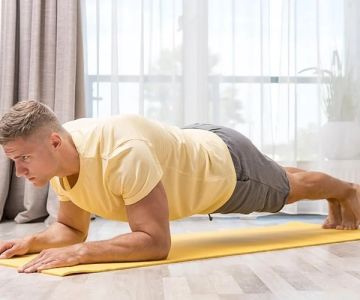

 Martinez Boxing0.0 (0 reviews)
 Planet Fitness3.0 (1498 reviews)
 Mountain Fitness Peterborough4.0 (26 reviews)
 Sling Bungee Fitness4.0 (41 reviews)
 Equilibrium Pilates Studio4.0 (48 reviews)
 Epic Health & Fitness Windsor Locks4.0 (240 reviews)
 Autumn Outdoor Strength Circuits: Park-Friendly Workouts That Build Muscle Fast
 How to Build a 10-Week Strength and Speed Plan for Fall Races | Hot Fitness
 How to Build Core Strength That Improves Running Posture and Reduces Low-Back Pain
 How to Burn Belly Fat with High-Intensity Interval Training (HIIT)
 How to Build a Sustainable Routine That Balances Strength, Speed, and Recovery Through Fall
 Advanced Techniques for Better CrossFit Results