
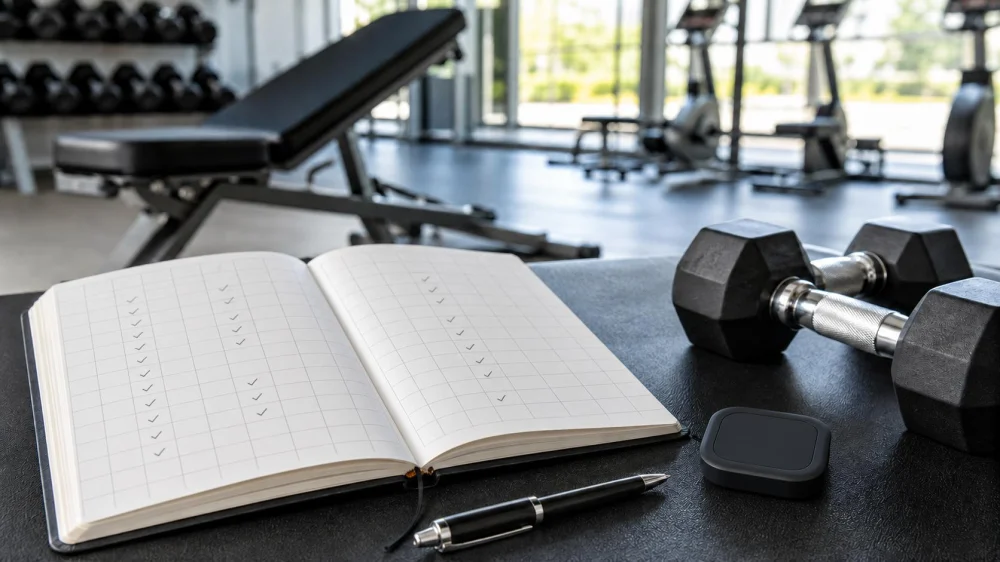
How to Keep a Workout Log That Actually Helps You Progress
On this page
Quick answer
A useful workout log is short enough to complete every time. Record the date, exercise or activity, sets, reps, resistance or duration, effort, and one brief note about technique or symptoms. Review weekly for consistency, gradual progress, recovery, and repeated problems. Change only one or two variables at a time, and never use the log to push through sharp pain, chest symptoms, faintness, or worsening health issues.

Dynamic Gymnastics / dynamic gymnastics ny
Mohegan LakeWestchester CountyNew York
1949 E Main St, Mohegan Lake, NY 10547, USA
Choose one purpose for the log
A log becomes cluttered when it tries to measure everything. Start with the decision you want it to support:
- Consistency: How many planned sessions did you complete?
- Strength: Are reps, resistance, range of motion, or technique improving?
- Endurance: Can you cover the same time or distance at a more manageable effort?
- Skill: Which cues produce controlled, repeatable movement?
- Recovery: Are fatigue, soreness, sleep, or symptoms interfering with training?
For general health, a weekly view is often more helpful than obsessing over a single session. The CDC guide to adding physical activity as an adult includes a printable activity diary and explains that activity can be spread across the week.

Heatwise / heatwise upper west side
New YorkNew York CountyNew York
164 W 80th St, New York, NY 10024, USA
What to record for each workout
Use paper, a spreadsheet, or an app you can maintain. A basic entry needs:
- Date and session: For example, “Tuesday—full body” or “Saturday—easy walk.”
- Exercise or activity: Use consistent names so entries can be compared.
- Work completed: Sets, reps, resistance, distance, time, intervals, or another relevant unit.
- Effort: A simple 1–10 personal effort rating or easy/moderate/hard label.
- Technique note: One useful cue, range-of-motion note, or equipment setting.
- Recovery note: Unusual fatigue, soreness, sleep disruption, or symptoms that affected the session.
Optional details such as rest time, tempo, heart rate, weather, and body weight are useful only when they help a specific decision. Consumer device numbers are estimates, not diagnoses.
Track strength and cardio differently
Strength training
Write the exact variation, machine setting or free-weight load, completed reps, and effort for each work set. Note whether the final reps stayed controlled. If a machine uses numbered plates, remember that the number may not equal the same resistance on another model.
Progress can mean more than added weight. It may be an extra controlled rep, a larger comfortable range of motion, improved balance, better consistency, or the same work at lower perceived effort.
Cardio and conditioning
Record duration or distance, activity type, route or machine, and relative intensity. Temperature, hills, wind, and equipment calibration can change results, so compare similar conditions. If heart-rate data is relevant to a medical condition, use targets provided by a health professional rather than a generic formula.
Mobility and skill work
Track the movement, duration or repetitions, comfortable range, and quality. Avoid treating a deeper stretch as automatic progress. Control and symptom-free function may matter more than maximum range.
Use a simple weekly review
Set aside five minutes at the same time each week. Ask:
- How many planned sessions did I complete?
- Which movements or activities improved?
- Where did technique or energy decline?
- Did pain or another symptom repeat?
- Was effort concentrated too heavily on consecutive days?
- What is one realistic change for next week?
Look for trends across several comparable sessions. A single unusually strong or weak day can reflect sleep, stress, hydration, illness, equipment, or measurement error.
Turn patterns into small adjustments
Make a small change only when recent sessions support it. Possible adjustments include one additional repetition, a small resistance increase, a few more minutes, a longer recovery interval, or a simpler variation that improves form.
The federal Physical Activity Guidelines questions and answers recommends that inactive adults begin with small amounts and build up over time. The CDC similarly advises starting slowly and progressing toward longer or more challenging activity.
If performance drops repeatedly, do not automatically add more work. Check recent volume, sleep, illness, stress, nutrition, scheduling, and technique. A lighter week, fewer sets, lower intensity, or professional guidance may be more useful than forcing progression.
Logging mistakes that reduce usefulness
- Recording only personal records and omitting ordinary sessions
- Changing exercise names or units from week to week
- Estimating loads after the workout instead of logging promptly
- Adding so many metrics that the habit becomes unsustainable
- Comparing different machines, routes, or conditions as if identical
- Using calorie estimates as a score for workout quality
- Ignoring technique, symptoms, and recovery
- Increasing several variables at once and losing track of cause and effect
Safety and medical boundaries
This article provides general fitness education for adults, not a personalized training or medical plan. Choose activities that fit your abilities, equipment, environment, and experience. The CDC advises people with chronic health conditions or disabilities to consult a health professional or physical-activity specialist about appropriate types and amounts of activity.
Stop exercise and seek urgent medical help for chest pain or pressure, fainting, severe shortness of breath, sudden weakness, or other alarming symptoms. For sharp pain, a new injury, worsening joint swelling, persistent dizziness, or symptoms that recur in the log, stop the provoking activity and obtain qualified advice.
Do not use numbers from a watch, app, or gym machine to diagnose a condition or override how you feel.
Frequently asked questions
Should I log every warm-up set?
Log it when the warm-up changes readiness, technique, or total workload. Otherwise, a short note about the warm-up may be enough.
How often should I review the log?
Review briefly each week and more broadly every four to six weeks. The exact interval depends on the program and goal.
Do I need a fitness app?
No. Paper or a simple spreadsheet can work well. The best format is one you can complete accurately and review easily.
What if my numbers do not improve every week?
Progress is rarely perfectly linear. Look for trends in consistency, technique, work capacity, and recovery, not only heavier weights or faster times.
Should I track body weight with workouts?
Only if it serves a relevant goal and does not create distress or unhealthy behavior. Day-to-day body weight changes for many reasons and is not a direct measure of workout quality.
Conclusion and starter template
Start with six fields: date, activity, work completed, resistance or duration, effort, and one note. Review weekly, compare like with like, and make small changes supported by repeated patterns. A concise log should guide better decisions—not pressure you to chase numbers or ignore symptoms.
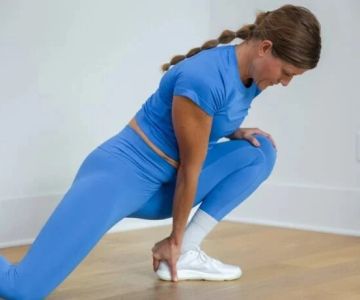


 REBELFIT BOXING ACADEMY4.0 (5 reviews)
 Lotus Yoga4.0 (10 reviews)
 Powerhouse Gym Troy4.0 (403 reviews)
 Train Your Inner Athlete5.0 (10 reviews)
 The Gym LA4.0 (144 reviews)
 Yogarok5.0 (6 reviews)
 How to Choose a Group Fitness Class That Fits You
 How to Program Strength Cycles Around Your Biggest Racing Goal in Autumn for Optimal Results
 Strength Moves to Improve Stability and Reduce Risk of Ankle Sprains on Trails
 Best Fall Outdoor Circuit Ideas Using Benches, Stairs, and Natural Terrain
 How to Build a Weekly Template That Prioritizes Recovery During Heavy Training Blocks
 How to Train for a Tough, Windy Fall 10K: Pacing, Strength & Mental Tricks