How to Choose a Group Fitness Class That Fits You
On this page
Quick answer
Choose a group fitness class by matching the class goal, intensity, instructor style, schedule, and modification options to your current ability. Beginners should look for clear coaching, warm-ups, low-pressure pacing, and alternatives for harder movements. The right class should feel challenging but repeatable, not confusing or unsafe.

Three Queens Yoga / 3 queens yoga philadelphia
PhiladelphiaPhiladelphia CountyPennsylvania
410 Monroe St, Philadelphia, PA 19147, USA
What class fit means
Class fit means the workout matches your goal, body, schedule, and confidence level. A class can be popular and still be wrong for you if the pace, music, coaching, or movement style makes it hard to return consistently.
Good fit is especially important for beginners, people returning after a break, and anyone managing past injuries or health concerns.
bodē nyc Flatiron / bodē nyc flatiron
New YorkNew York CountyNew York
182 5th Ave, New York, NY 10010, USA
Compare class types
- Strength classes: useful for learning resistance training, but ask whether form coaching is included.
- Cardio dance or cycling: energetic and social, but intensity can vary widely by instructor.
- Yoga or mobility: helpful for flexibility and body awareness, though class styles range from gentle to demanding.
- HIIT: time-efficient and intense, but not always the best first class for deconditioned beginners.
- Pilates or core classes: controlled and focused, but technique cues matter.
- Small-group training: often more personalized than a large class, but may cost more.
Level and intensity checks
Before booking, ask whether the class is beginner, intermediate, advanced, all-levels, low-impact, or high-intensity. “All-levels” can still be hard if modifications are not clearly coached.
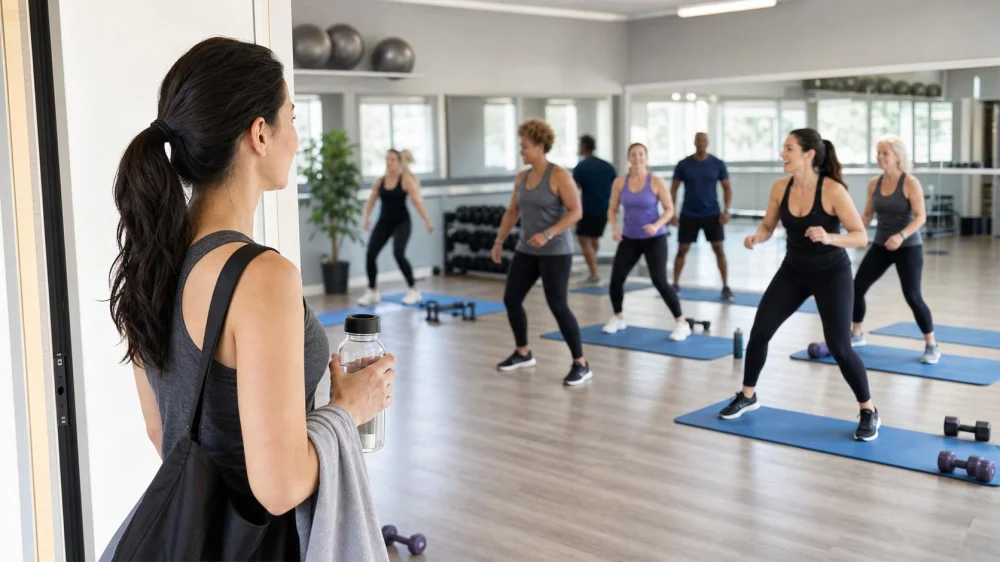
During the class, notice whether you can follow instructions, breathe steadily, and adjust movements without feeling pressured. A strong class culture allows people to scale up or down without embarrassment.
Local details that matter
When comparing local fitness studios or gyms, practical details often decide whether you keep going. Check parking, commute time, locker room access, class size, cancellation windows, waitlists, equipment requirements, and whether the class schedule works during your real week.
Best for and not ideal for
This guide is best for people comparing local workout classes, gym schedules, and fitness studios in the United States.
It is not ideal for medical advice, injury rehabilitation, or determining whether vigorous exercise is safe for you. Speak with a qualified health professional if you have pain, a medical condition, pregnancy considerations, or recent surgery.
Try-class checklist
- Read the class description and level before booking.
- Tell the instructor you are new if you want extra orientation.
- Choose a spot where you can see and hear clearly.
- Use lighter weights or lower-impact options for the first session.
- Notice how you feel during warm-up, peak effort, and cool-down.
- Ask about modifications if a movement feels uncomfortable.
- Wait until the next day before judging recovery and soreness.
Important notes
- Some soreness can happen with new exercise, but sharp pain is a stop signal.
- Hydrate and arrive early enough to set up equipment without rushing.
- Do not compare your pace to regular members in your first class.
- Consistency usually beats choosing the hardest option available.
FAQ
What is the best group fitness class for beginners?
The best beginner class is one with clear instruction, manageable intensity, and modifications. Low-impact strength, beginner yoga, intro cycling, or small-group coaching may be good starting points depending on your goal.
How do I know if a class is too hard?
If you cannot follow instructions, feel unsafe, cannot recover between efforts, or feel pressured to ignore pain, the class may be too advanced right now.
Should I try more than one instructor?
Yes. Instructor style can change the entire experience. Try a different teacher or time slot before deciding that a class type is not for you.
Is a smaller class better?
Smaller classes can offer more attention, but quality depends on coaching, structure, and the instructor’s ability to support different levels.
Evidence notes
This guidance is based on common fitness participation principles: people are more likely to continue when workouts match ability, schedule, comfort, and recovery capacity. Health-specific decisions should be individualized.
Next steps
Pick one class that matches your current level, arrive early, tell the instructor you are new, and focus on learning rather than maximum effort. Afterward, rate the class on safety, clarity, enjoyment, and whether you would realistically return next week.

 Aesthetic Temple4.0 (40 reviews)
 Chinatown YMCA4.0 (73 reviews)
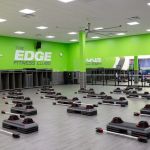 The Edge Fitness Clubs4.0 (417 reviews)
 Yoga Lee5.0 (64 reviews)
 Firestorm Freerunning & Acrobatics - Ultra4.0 (308 reviews)
 Kore Barre5.0 (3 reviews)
 10 Mistakes to Avoid in Training: Enhance Your Training Success
 How to Build a 6-Week Speed Block That Builds Confidence and PR Potential for Autumn 5Ks
 Why Everyone Should Try Bodyweight Training
 Cross-Training for Runners: Swimming, Rowing, and Strength Workouts That Reduce Injury
 Best Warm-Up and Mobility Drills for Hill Repeats and Tempo Runs in Cold Weather
 How to Use Nighttime Recovery Rituals to Improve Sleep and Training Adaptation During Fall