
- 1 - Understanding-Squat-Depth-and-Mobility
- 2 - Mobility-Drills-for-Hips-and-Ankles
- 3 - Stretching-and-Flexibility-Exercises
- 4 - Strengthening-Exercises-to-Support-Depth
- 5 - Common-Mistakes-While-Improving-Squat-Depth
- 6 - Real-Life-Progress-Stories
- 7 - Integrating-Mobility-into-Your-Routine
- 8 - Tips-and-Resources-for-Consistent-Improvement
1. Understanding Squat Depth and Mobility
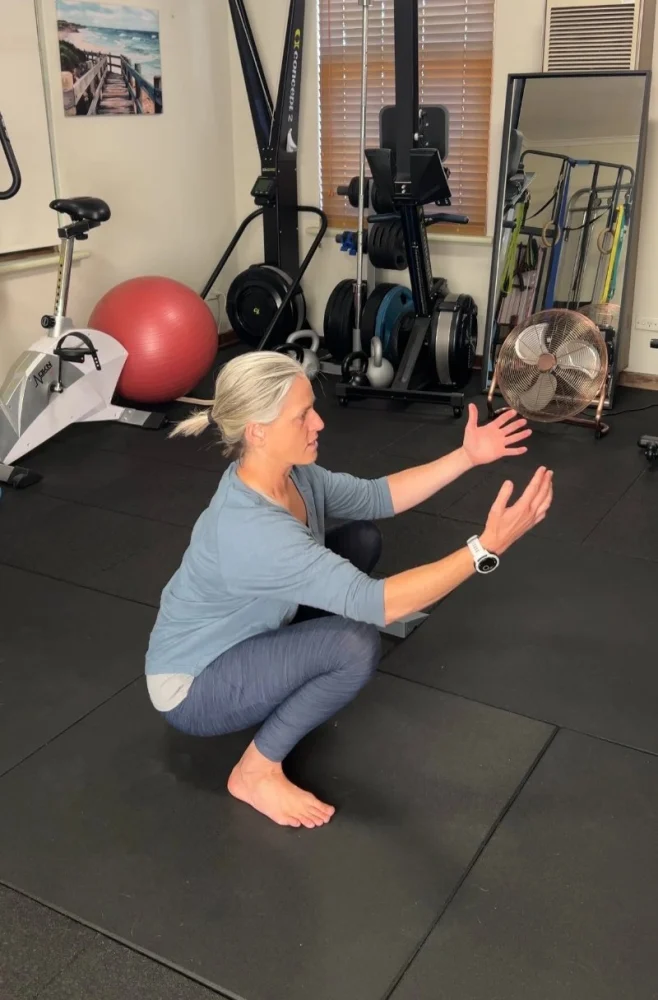
Achieving full squat depth requires a combination of mobility, flexibility, and strength. Mobility refers to the ability of your joints to move through their full range of motion, while flexibility relates to the length and elasticity of muscles. Proper squat mechanics rely on hip, ankle, and thoracic mobility to maintain balance and prevent injury.

F45 Training South Hills / f45 training south hill
Bethel ParkAllegheny CountyPennsylvania
4000 Oxford Dr Unit 101, Bethel Park, PA 15102, USA
1.1 Why Squat Depth Matters
Deep squats activate more muscle groups, including glutes, quadriceps, hamstrings, and core stabilizers. This engagement enhances strength, power, and functional movement patterns for both athletic performance and daily activities.

Power Train Sports & Fitness / powertrain fitness
RockvilleMontgomery CountyMaryland
4960 Boiling Brook Pkwy, Rockville, MD 20852, USA
1.2 Common Mobility Limitations
Tight hips, limited ankle dorsiflexion, and restricted thoracic spine mobility are frequent obstacles. Addressing these areas through targeted exercises allows improved depth and safer squatting mechanics.
2. Mobility Drills for Hips and Ankles
Targeted drills increase joint mobility, facilitating deeper, more controlled squats.
2.1 Hip Circles and Openers
Performing controlled hip circles in a quadruped or standing position warms up the joint capsule and improves rotational mobility. Hip openers like the 90/90 stretch enhance external and internal rotation, aiding depth.
2.2 Ankle Dorsiflexion Exercises
Wall ankle mobilizations, calf stretches, and banded ankle distraction techniques increase dorsiflexion range. Improved ankle mobility allows knees to track forward properly during deep squats, reducing compensatory movement.
2.3 Dynamic Lunges with Rotation
Adding trunk rotation to forward lunges improves hip flexor flexibility while engaging core stabilizers. These movements enhance control and mobility simultaneously.
3. Stretching and Flexibility Exercises
Flexibility in the lower body muscles supports joint mobility and depth.
3.1 Hamstring and Glute Stretches
Seated or standing hamstring stretches and pigeon pose variations release tension in posterior chain muscles, allowing for safer hip hinge and deeper squats.
3.2 Adductor and Groin Stretches
Side lunges, butterfly stretches, and Cossack squats target inner thighs, promoting hip abduction and external rotation essential for wide-stance squats.
3.3 Quadriceps and Hip Flexor Flexibility
Kneeling hip flexor stretches and standing quad stretches lengthen anterior thigh muscles, preventing forward pelvic tilt and aiding in full squat depth.
4. Strengthening Exercises to Support Depth
Strengthening surrounding muscles improves stability and control during deep squats.
4.1 Glute Activation Exercises
Glute bridges, hip thrusts, and banded lateral walks strengthen the glutes, supporting hip extension and preventing lower back compensation.
4.2 Core Stabilization
Exercises such as planks, dead bugs, and Pallof presses improve core stability, maintaining spinal alignment during deep squats.
4.3 Posterior Chain Strength
Romanian deadlifts, kettlebell swings, and back extensions strengthen hamstrings and erector spinae, enhancing control and safety at full depth.
5. Common Mistakes While Improving Squat Depth
Awareness of common pitfalls ensures effective progress.
5.1 Rounding the Lower Back
Loss of spinal neutral position during deep squats can lead to injury. Focus on core engagement and gradual mobility improvements.
5.2 Heel Lifting
Limited ankle dorsiflexion may cause heels to rise. Stretching and mobility drills for ankles can resolve this issue and allow stable footing.
5.3 Overstretching Without Strength
Extreme flexibility without accompanying strength reduces control. Balance mobility work with strengthening exercises for safe depth enhancement.
6. Real-Life Progress Stories
Practical examples highlight successful improvements in squat depth.
6.1 Beginner Transformation
Emily, a beginner lifter, incorporated hip openers, ankle mobilizations, and glute activation exercises. Within eight weeks, her squat depth increased significantly while maintaining proper form.
6.2 Athlete Enhancement
Marcus, a competitive athlete, focused on thoracic mobility and posterior chain strengthening. His deep squats improved explosiveness in jumps and lifts, demonstrating functional performance benefits.
7. Integrating Mobility into Your Routine
Consistency and routine integration accelerate progress.
7.1 Warm-Up Incorporation
Include dynamic stretches and mobility drills before lifting sessions. This prepares joints and muscles for deeper squats while reducing injury risk.
7.2 Post-Workout Stretching
Static stretches and foam rolling post-workout improve flexibility and assist in recovery, reinforcing mobility gains.
7.3 Frequency and Progression
Perform mobility and flexibility exercises 3-5 times per week. Gradually increase difficulty and duration to achieve sustainable improvements.
8. Tips and Resources for Consistent Improvement
Resources and structured guidance enhance adherence and effectiveness.
8.1 Utilize Instructional Platforms
Platforms like Hot Fitness provide videos, exercise plans, and expert tips for improving squat depth safely and effectively.
8.2 Track Progress
Recording squat depth, flexibility tests, and strength benchmarks helps monitor improvement and adjust routines as needed.
8.3 Combine Mobility, Flexibility, and Strength
Balanced integration ensures safe progress, prevents plateaus, and promotes long-term joint health.
Improving your squat depth and mobility requires a structured approach combining targeted exercises, flexibility work, and strength training. With consistent practice and guidance from Hot Fitness resources, you can achieve deeper squats, better control, and enhanced lower body performance, all while reducing the risk of injury and improving overall functional movement.




 Raising Your Barre5.0 (5 reviews)
 ONYX BOXING FITNESS GYM5.0 (3 reviews)
 Primitive Fitness Co.5.0 (12 reviews)
 Vitality Yoga Flow5.0 (72 reviews)
 Mansfield Nordic Community Center0.0 (0 reviews)
 Coleman Strength & Recovery5.0 (17 reviews)
 The Best Ways to Use Smartwatch Recovery Metrics to Schedule Hard and Easy Days This Fall
 How to Use Short Intervals to Build Speed Without Sacrificing Aerobic Base This Season
 Best Exercises for Building Strong Glutes After 40
 The Science of Creatine for Recreational Athletes: Benefits, Timing, and Myths
 Best Beginner Workout Plan for Building Lean Muscle
 How to Increase Upper Body Strength for Beginners | Hot Fitness