
The Best Ways to Use Smartwatch Recovery Metrics to Schedule Hard and Easy Days This Fall
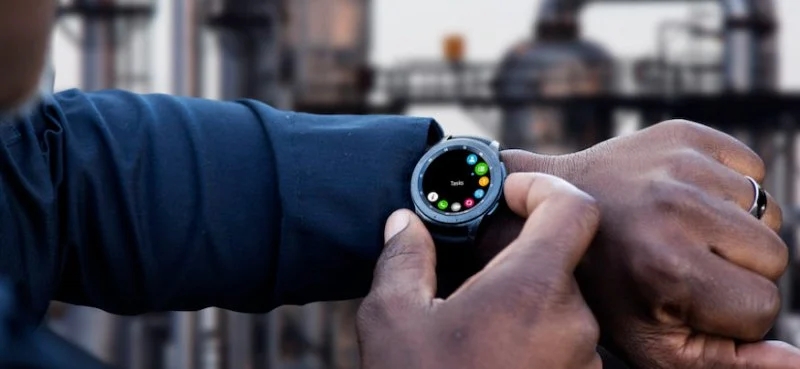
As the fall season approaches, many fitness enthusiasts begin to ramp up their workouts, taking advantage of the cooler weather to improve their fitness levels. But how do you ensure you’re training effectively without overdoing it? Smartwatch recovery metrics can help you find the perfect balance between hard training and recovery days. In this article, we’ll explore how to use your smartwatch’s recovery data to schedule both intense and easy days, optimizing your fitness routine for better results.
- Understanding Recovery Metrics
- How to Use Recovery Metrics for Scheduling
- The Benefits of Using Smartwatch Recovery Metrics
- Optimizing Your Fall Workout Schedule
- Real-Life Examples of Using Recovery Metrics
- Final Thoughts
1. Understanding Recovery Metrics
Smartwatches and fitness trackers today offer a variety of metrics designed to help you track your body’s recovery after a workout. These metrics are more than just numbers; they offer insights into your body’s readiness for another intense session. The most common recovery metrics include:

The Foundry Gilbert / hot yoga gilbert arizona
1815 E Williams Field Rd Suite #101, Gilbert, AZ 85295, USA
1.1 Heart Rate Variability (HRV)
Heart Rate Variability is a key indicator of how well your body is recovering. A higher HRV typically means your body is well-rested and ready for more intense workouts. A lower HRV, on the other hand, can indicate fatigue, stress, or inadequate recovery, signaling the need for a lighter workout or rest day.

Flow Yoga Center / 1508 14th street nw
WashingtonDistrict of Columbia
1508 14th St NW, Washington, DC 20005, USA
1.2 Resting Heart Rate
Your resting heart rate (RHR) is another important recovery metric. An elevated resting heart rate after a workout can indicate that your body has not fully recovered and may require additional rest. Monitoring changes in your RHR over time can help you identify when your body needs more recovery.
1.3 Sleep Quality
Smartwatches now track the quality of your sleep, which is crucial for recovery. Deep, uninterrupted sleep is when your body does most of its repair and muscle building. If your sleep quality is poor, it might be a sign to adjust your workout intensity or add more recovery time between sessions.
2. How to Use Recovery Metrics for Scheduling
Once you understand the basic recovery metrics, the next step is to use them to schedule your workouts. Here’s how you can integrate these metrics into your fitness routine:
2.1 Monitor Your HRV for Hard and Easy Days
Start by using your HRV readings to determine when your body is ready for a challenging workout and when it needs a lighter session. A high HRV indicates that your body has recovered well and can handle intense training. Conversely, a low HRV suggests that your body is still recovering and that a light or moderate workout is more appropriate.
2.2 Adjust Workouts Based on Resting Heart Rate
If your resting heart rate is higher than normal, it’s a clear sign that you haven’t fully recovered. On these days, it’s important to scale back on the intensity of your workout. Consider doing low-impact exercises, such as walking, yoga, or light cycling, to help your body recover.
2.3 Prioritize Sleep for Maximum Recovery
Good sleep is vital for optimal recovery. If your smartwatch shows that you had poor sleep quality the previous night, it’s essential to reduce your workout intensity the following day. Use this time to engage in lower-intensity activities that don’t strain your body but still keep you active.
3. The Benefits of Using Smartwatch Recovery Metrics
Using smartwatch recovery metrics to schedule your hard and easy days offers numerous benefits for both your fitness progress and overall health. Here are some of the key advantages:
3.1 Prevents Overtraining
One of the biggest risks in any fitness routine is overtraining. Using recovery metrics helps you avoid this by ensuring that you’re not pushing your body too hard on days it needs rest. This can prevent injuries, fatigue, and burnout, ultimately leading to more sustainable progress in the long run.
3.2 Maximizes Performance Gains
When you give your body the proper recovery it needs, it can perform at its best. By monitoring your recovery metrics, you can strategically time your hardest workouts when your body is fully prepared, leading to better performance and faster progress.
3.3 Supports Long-Term Health
Smartwatches not only help optimize your workouts but also promote long-term health. Proper recovery allows your muscles to repair and grow, reduces the risk of injury, and improves cardiovascular health. By prioritizing recovery, you’re setting yourself up for long-term fitness and health benefits.
4. Optimizing Your Fall Workout Schedule
The fall season is an excellent time to adjust your workout schedule, as the cooler weather can make outdoor exercises more enjoyable. Here’s how to optimize your routine using smartwatch recovery metrics:
4.1 Schedule Hard Workouts During Peak Recovery
As you monitor your recovery data, aim to schedule your most intense workouts when your metrics indicate peak recovery. For example, if your HRV is high and your resting heart rate is normal, your body is likely in an optimal state to handle intense training such as HIIT, running, or strength workouts.
4.2 Incorporate Active Recovery Days
Use your smartwatch to schedule active recovery days, especially after hard workouts. Activities like swimming, yoga, or a light jog can help promote blood flow and muscle recovery without overtaxing your body. Your smartwatch can help track your recovery to ensure you don’t push yourself too hard.
4.3 Stay Flexible with Your Schedule
Life can be unpredictable, and your body’s needs may change from day to day. Be flexible with your workout schedule based on your smartwatch data. If your metrics suggest you’re not fully recovered, listen to your body and take an extra day of rest or engage in lighter activities.
5. Real-Life Examples of Using Recovery Metrics
Let’s take a look at a couple of real-life examples of how individuals have successfully used recovery metrics to optimize their training:
5.1 Sarah’s Marathon Training
Sarah, a long-distance runner, used her smartwatch to monitor her HRV during marathon training. On days when her HRV was low, she switched to low-impact exercises, allowing her muscles to recover and reducing the risk of injury. This strategy helped her perform at her best on race day.
5.2 Jake’s Strength Training
Jake, a weightlifter, noticed that his performance plateaued when he didn’t pay attention to his recovery metrics. By using his smartwatch’s sleep and HRV data, he adjusted his training schedule to ensure he was fully recovered before heavy lifting sessions, leading to improved strength and fewer injuries.
6. Final Thoughts
Using smartwatch recovery metrics is a powerful way to optimize your workout routine, especially as the weather changes and you adjust your training intensity for fall. By paying attention to recovery data such as HRV, resting heart rate, and sleep quality, you can effectively schedule hard and easy days to maximize performance and avoid burnout. Remember, consistency is key in any fitness journey, and proper recovery is essential for long-term success.
If you're looking for the best tools to track your progress and enhance your workouts, be sure to visit Hot Fitness for top-quality products and services tailored to your fitness goals.




 Chino Hills Pilates0.0 (0 reviews)
 Kunkel Aquatic Center (McGinness Pool)4.0 (10 reviews)
![[solidcore] Jersey City](https://img.hotfitness.net/d29/2509/203253858570405_150x150.webp) [solidcore] Jersey City3.0 (37 reviews)
[solidcore] Jersey City3.0 (37 reviews) Open Door Yoga5.0 (76 reviews)
 Horner Park Gymnasium5.0 (2 reviews)
 CADiLab Pilates5.0 (61 reviews)
 10 Mistakes to Avoid in Muscle Gain: Maximize Your Workout Progress
 How to Use Tempo Runs to Practice Race Nutrition and Pacing Strategies
 Advanced Techniques for Better Strength Training Results
 Science-Backed Tips for Improving Your Weight Loss Journey
 How to Train for Back-to-Back Races: Recovery, Nutrition and Smart Volume Management
 The Best Strength Training for Busy People: Effective Workouts in Less Time