
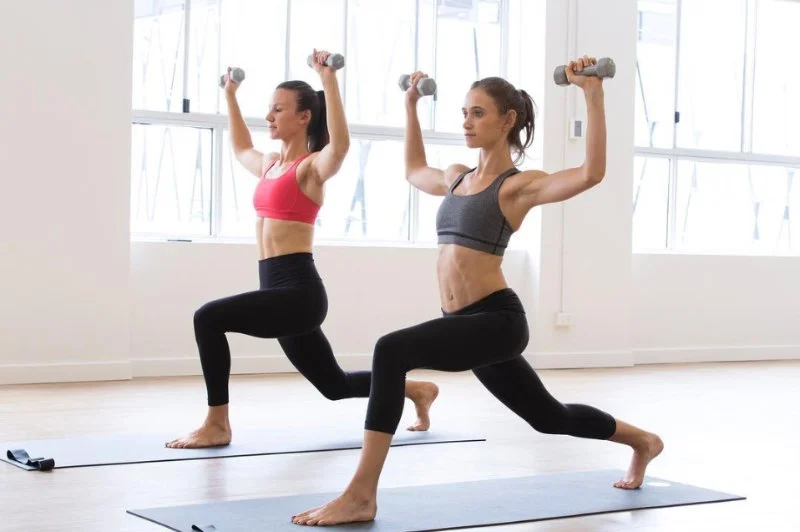
How to Add Strength Work to a High-Intensity Group Fitness Class Safely
Integrating strength work into a high-intensity group fitness class can significantly enhance the benefits of the workout, targeting muscle development while boosting overall fitness. However, adding strength exercises must be done with careful planning to ensure safety and effectiveness. In this article, we’ll discuss how to incorporate strength work into high-intensity classes safely, providing you with the tools to enhance your participants' results without increasing the risk of injury.
- 1. Understanding Strength Training in High-Intensity Classes
- 2. How to Integrate Strength Work into Your Class
- 3. Safety Precautions to Consider
- 4. Common Mistakes to Avoid When Adding Strength Work
- 5. How Hot Fitness Can Help You Plan and Execute Effective Workouts
1. Understanding Strength Training in High-Intensity Classes
High-intensity group fitness classes are designed to challenge participants with a fast pace and varied exercises. These classes often include cardio, plyometrics, and dynamic movements that engage multiple muscle groups. Strength training, when added to these classes, can offer several advantages such as improved muscle tone, increased metabolism, and better overall endurance. However, it’s crucial to understand how strength training complements the high-intensity movements to avoid overtraining or potential injury.

New York Gymnastics Center / briarcliff manor youth center
Briarcliff ManorWestchester CountyNew York
515 N State Rd Suite F, Briarcliff Manor, NY 10510, USA
1.1 The Role of Strength Work
Strength work in high-intensity fitness classes focuses on building muscle strength and endurance. Exercises like squats, lunges, push-ups, and deadlifts can help improve muscle mass, which in turn supports better performance during high-intensity intervals. However, integrating these exercises into a fast-paced workout requires consideration of the intensity and rest periods to maintain safety and effectiveness.

The Buhl Club / buhl community recreation center
SharonMercer CountyPennsylvania
28 Pine St, Sharon, PA 16146, USA
1.2 Balancing Strength and Cardio
While high-intensity workouts often emphasize cardio and stamina, strength work should be introduced in a way that balances with the overall intensity. Strength exercises should be incorporated strategically between intervals of cardio exercises to ensure participants don’t overexert themselves. The goal is to alternate muscle groups, giving time for recovery while still keeping the heart rate elevated.
2. How to Integrate Strength Work into Your Class
Adding strength work to a high-intensity class can be done smoothly by following a structured approach. Here are some steps to help you integrate strength exercises effectively:
2.1 Start with Warm-Up and Mobility
Before introducing strength exercises, it’s important to begin with a proper warm-up. This will prepare the body for the intensity of the workout and reduce the risk of injury. Incorporate mobility drills and dynamic stretches to activate muscles, improve joint flexibility, and ensure participants are prepared for strength exercises.
2.2 Choose Compound Movements
When incorporating strength work, prioritize compound exercises that target multiple muscle groups at once. Exercises like squats, deadlifts, and push-ups engage several areas of the body, making them efficient for a high-intensity setting. This allows for a more balanced workout that works both the upper and lower body while maintaining cardiovascular intensity.
2.3 Manage Rest Intervals
Since high-intensity workouts focus on keeping the heart rate elevated, managing rest intervals during strength exercises is key. Keep rest periods short but sufficient to allow for muscle recovery. For example, after a set of squats, rest for 20-30 seconds before moving to the next exercise. This will help participants maintain intensity without sacrificing strength training benefits.
2.4 Progressively Increase Load
To ensure your participants continue to see progress, it’s important to gradually increase the load in their strength exercises. Start with lighter weights and gradually add more resistance as participants build strength. This progressive overload approach will help them avoid plateaus and continue improving over time.
3. Safety Precautions to Consider
Safety should always be a priority when adding strength work to a high-intensity fitness class. Here are some key safety precautions to consider:
3.1 Proper Form is Essential
One of the most common causes of injury in strength training is improper form. Always emphasize the importance of correct posture and movement patterns to reduce strain on joints and muscles. As a fitness instructor, demonstrate proper form for each exercise and correct participants when necessary.
3.2 Avoid Overtraining
High-intensity workouts can be taxing on the body, especially when strength work is added. Ensure that participants have adequate rest between sets and that the exercises are not too repetitive. Overtraining can lead to fatigue, soreness, and even injury, so balancing intensity with rest is essential.
3.3 Monitor Intensity
Each participant may have a different fitness level, so it’s important to monitor the overall intensity of the workout. Offer modifications or lighter options for those who are new to strength training or need extra support. This will help prevent participants from overexerting themselves and reduce the risk of injury.
4. Common Mistakes to Avoid When Adding Strength Work
When incorporating strength work into a high-intensity group fitness class, some common mistakes can undermine the effectiveness of the workout and increase the risk of injury. Avoid these mistakes:
4.1 Skipping Warm-Up or Cool-Down
Skipping a proper warm-up or cool-down can lead to injury or muscle stiffness. Always include these in your classes to prepare the body and promote recovery after the workout.
4.2 Overloading Weights
Using too heavy weights during strength exercises can lead to poor form, which increases the risk of injury. Ensure that participants use appropriate weights for their fitness level, and encourage them to gradually increase resistance over time.
4.3 Ignoring Participant Needs
Every participant is different, and it’s important to address individual needs. Some may require modifications or variations of exercises. Ignoring these needs can result in frustration or injury. Always be ready to offer alternatives to make the class inclusive and safe for everyone.
5. How Hot Fitness Can Help You Plan and Execute Effective Workouts
At Hot Fitness, we specialize in creating effective and safe group fitness programs that combine high-intensity training with strength work. Our experienced instructors are skilled in adjusting intensity levels and ensuring proper technique to prevent injury while maximizing results. Whether you’re looking to enhance your current classes or design new strength-focused workouts, Hot Fitness has the resources and expertise to help you succeed. Join us and elevate your fitness routine today!






 St Louis Spirits Gymnastics Club4.0 (40 reviews)
 Planet Fitness4.0 (687 reviews)
 LVL UP 2 Fitness Studio4.0 (26 reviews)
 Burn Boot Camp4.0 (75 reviews)
 Kris' Power Tumbling Dance and Cheer4.0 (16 reviews)
 Bryant Gymnasium4.0 (7 reviews)
 Barbell Basics: Squat, Deadlift, and Press Technique for New Lifters This Fall
 Beginner's Guide to Nutrition: Essential Tips for a Healthy Diet
 10 Common Fitness Mistakes to Avoid for Better Results
 Best Warm Clothing Choices for Early Morning Runs Without Sacrificing Breathability
 How to Use a Training Pyramid (Volume → Intensity) to Build Durable Fall Fitness
 The Best Strategies for Building Speed While Preserving Aerobic Base During Fall Training