
Hot Gym Workout: Heat Warning Signs and Safer Adjustments
Table of contents
Quick answer
A crowded, poorly ventilated, humid, or intentionally heated gym can raise heat strain even indoors. Reduce intensity and duration, take more cooling breaks, drink according to your health needs, and use a buddy when conditions are unusual. Stop immediately and move to a cool place for weakness, faintness, dizziness, nausea, headache, unusual cramps, or feeling “not right.” Confusion, collapse, seizure, or altered behavior is a medical emergency.

Club Pilates / pilates of pittsford
6687 Pittsford Palmyra Rd, Fairport, NY 14450, USA
Why indoor heat still matters
Your body produces heat during exercise and relies on the environment to release it. High room temperature, humidity, limited air movement, dense crowds, heavy clothing, and long hard intervals can slow cooling. Recent illness, lack of heat acclimatization, sleep loss, alcohol, some medications, pregnancy, heart or kidney conditions, and other health factors can change risk. A familiar workout may feel very different when the room conditions change.
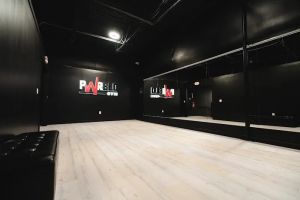
PWRBLD Gym Warrington / gym in warrington
WarringtonBucks CountyPennsylvania
1661 Easton Rd Unit C-1, Warrington, PA 18976, USA
Check conditions before training
- Notice room temperature, humidity, airflow, crowding, and access to a cooler area.
- Ask staff about the class heat policy, breaks, water access, and emergency plan.
- Review recent illness, medication changes, prior heat symptoms, and hydration restrictions.
- Choose lightweight, breathable clothing appropriate for the activity.
- Tell a partner or instructor if you are new to heat or returning after a break.
- Skip or modify the session when conditions exceed your plan or you already feel unwell.
How to adjust the session
Start easier than usual and increase only if you remain comfortable and alert. Reduce load, pace, interval length, total sets, or class duration; extend rest in a cooler area; and avoid competing with another person’s pace. Drink fluids based on thirst, conditions, session length, and individualized medical guidance. Do not force excessive water or use salt tablets. People with fluid or sodium restrictions should follow their clinician’s plan.
Warning signs that mean stop
Stop activity for faintness, weakness, dizziness, headache, nausea, vomiting, unusual fatigue, irritability, heavy sweating with declining performance, cramps, poor coordination, or an unexplained change in behavior. Move to a cooler place, alert staff or a partner, loosen unnecessary clothing, and do not resume the workout that day without appropriate assessment. Persistent symptoms, dark urine, severe muscle pain, or reduced urination require prompt medical evaluation.
When it is an emergency
Call emergency services for confusion, slurred speech, collapse, loss of consciousness, seizure, severe unsteadiness, very hot skin, or any suspected heat stroke. Begin cooling while help is coming according to trained emergency instructions, stay with the person, and do not give fluids to someone who is confused, unconscious, vomiting repeatedly, or unable to swallow safely. Chest pain, severe breathing difficulty, or other life-threatening symptoms also need emergency care.
Heat-safety checklist
Record room conditions, session type and planned intensity, recent illness, medications or restrictions discussed with a clinician, water and cooling access, buddy or instructor, symptoms, time symptoms began, and actions taken. Gyms and classes should have visible staff, communication, a cool recovery area, and an emergency response process. After an episode, document recovery and obtain guidance before returning to hard heat exposure.
Limits and health notes
This general U.S. fitness information is not a personal hydration prescription, medical diagnosis, or return-to-exercise clearance. Heat illness can progress quickly and symptoms overlap with cardiac, metabolic, medication-related, and other emergencies. Do not exercise alone in unusual heat, push through neurological symptoms, or follow a universal fluid or electrolyte formula. Use emergency services, clinician advice, medication guidance, and facility rules for your circumstances.
Evidence notes
The Centers for Disease Control and Prevention states that athletes exercising in heat are more likely to become dehydrated or develop heat-related illness, recommends slower pacing, more water than usual, cooler scheduling, and a buddy system, and says to stop activity and move to a cool place if faint or weak. CDC heat guidance identifies confusion, altered mental status, slurred speech, seizures, and unconsciousness as heat-stroke emergency signs.
Frequently asked questions
Can heat illness happen inside a gym?
Yes. Room heat, humidity, airflow, crowding, clothing, and exercise intensity all affect heat strain.
Should I finish the set if I feel dizzy?
No. Stop immediately, move to a cool safe place, tell someone, and seek appropriate help.
Are sports drinks always necessary?
No. Needs vary with duration, sweating, diet, health, and restrictions. Avoid one-size-fits-all advice.
Can I return after a few minutes if symptoms pass?
Do not automatically resume. Heat symptoms warrant rest and may require medical assessment before return.
Does sweating mean I am safe?
No. A person with serious heat illness may have dry or moist skin; behavior and neurological signs matter.
Next steps
Check the room and your health status, begin below normal intensity, keep a partner or instructor informed, and plan cooling and exits. Stop for any unusual weakness, dizziness, nausea, cramps, or behavior change. Call emergency services for confusion, collapse, seizure, altered consciousness, severe breathing difficulty, or chest pain, and obtain medical guidance before returning after a significant heat episode.



 iRoy Multi Sport Complex4.0 (42 reviews)
 Willow Wellness Center4.0 (16 reviews)
 KnuckleUp MMA & Fitness4.0 (75 reviews)
 1858 athletic club4.0 (114 reviews)
 Function and Strength4.0 (10 reviews)
 Saga-Fit Collective4.0 (18 reviews)
 How to Use Hill Sprints to Build Anaerobic Power Without High Weekly Mileage Increases
 How to Build a Weekly Template That Prioritizes Recovery During Heavy Training Blocks
 How to Incorporate Muscle Gain Into Your Day: Effective Tips and Strategies
 Best Foods to Eat Before and After Exercise | Optimize Your Fitness Nutrition
 How to Lose Belly Fat After 50 Effectively — A Comprehensive Guide
 The Best Strength Progressions to Increase Single-Leg Strength and Reduce Asymmetries This Autumn